
Not Kishan's Groin — the Real Arithmetic Sits in BCCI's Workload Ledger
**মূল উত্তর:** ইশান কিশান ডান অ্যাডাক্টর পেশির লো-গ্রেড (গ্রেড-১) স্ট্রেইনের কারণে নিউজিল্যান্ডের বিপক্ষে পাঁচ ম্যাচের টি-টোয়েন্টি সিরিজের দ্বিতীয় ম্যাচ থেকে ছিটকে গেছেন। বিসিসিআই জানিয়েছে তাঁর Status পর্যবেক্ষণ করা হচ্ছে, তবে ফেরার কোনো নির্দিষ্ট তারিখ ঘোষণা করেনি। **মূল তথ্য:** - ইনজুরি: ডান অ্যাডাক্টর (গ্রোইন) পেশিতে গ্রেড-১ স্ট্রেইন, সিরিজের প্রথম টি-টোয়েন্টিতে। - সিরিজ Status: পাঁচ ম্যাচের দ্বিপাক্ষিক সিরিজ, নিউজিল্যান্ডে, ভারত ১-০ এগিয়ে। - বোর্ড প্রক্রিয়া: বিসিসিআইয়ের ইনজুরি ব্যবস্থাপনা ও রিটার্ন-টু-প্লে প্রোটোকল Active, ফেরার তারিখ অনির্দিষ্ট। - Role-সংকট: ইশান কিশান বাঁহাতি টপ-অর্ডার ব্যাটার ও উইকেটরক্ষক — প্রতিস্থাপন এক স্লটে সীমাবদ্ধ নয়। - ঝুঁকি: গ্রোইন স্ট্রেইন তাড়াহুড়োয় ফিরলে পুনরাবৃত্তির হার বেশি এবং দ্বিতীয়বারের অনুপস্থিতি দীর্ঘ হয়। **সূত্র:** বোর্ড অব কন্ট্রোল ফর ক্রিকেট ইন ইন্ডিয়া (বিসিসিআই) ইনজুরি বুলেটিন, ভারত-নিউজিল্যান্ড টি-টোয়েন্টি সিরিজ, ২০২৬ | Cross-checked: cricsultan.com **সম্পর্কিত প্রশ্নোত্তর:** প্রশ্ন: ইশান কিশান কবে ফিরতে পারেন? উত্তর: গ্রেড-১ অ্যাডাক্টর স্ট্রেইনে সাধারণত এক থেকে তিন সপ্তাহ লাগে, তবে বিসিসিআই কোনো তারিখ দেয়নি — cricsultan.com প্লেয়ার ডেপথ ইনডেক্সে তাঁর Status “অনির্ধারিত” হিসেবে চিহ্নিত। প্রশ্ন: কিশানের অনুপস্থিতি ভারতের টপ-অর্ডারে কতটা প্রভাব ফেলে? উত্তর: সামান্য, কারণ বিসিসিআই স্কোয়াডে একাধিক টপ-অর্ডার বিকল্প আছে, কিন্তু বাঁহাতি ব্যাটার ও উইকেটরক্ষক — এই দুই Role একই খেলোয়াড়ে পাওয়া যায় না। প্রশ্ন: সত্যিকারের ঝুঁকি কোথায়? উত্তর: দলের ফলাফলে নয়, খেলোয়াড়ের উপর — সময়ের আগে ফিরলে অ্যাডাক্টর স্ট্রেইন পুনরাবৃত্তি ঘটে, আর সেই খরচ এই সিরিজের হিসাবে ধরা পড়ে না।
When the camera cut to the wicket during the middle of the first T20I, I was watching Ishan Kishan for a different reason. Not the bat swing — that familiar crouch, then the first step pushed off the muscle on the inside of his right thigh. Years of watching matches have built a habit: I read the body's language more closely than the big shot now. Scoreboards bend the truth often enough; bodies almost never do.
The next morning came a one-line BCCI bulletin: low-grade strain of the right adductor, Kishan ruled out of the second T20I. The headline said 'big injury blow'. I read the paper first, the headline second. The paper said 'low-grade'. The headline said 'blow'. The real story sits in that gap.
India are playing a five-match bilateral series in New Zealand, 1-0 up after the opener. Reports say India chased a large target in that first match, and that it was their highest successful chase. One sentence carries a lot: a batting-friendly surface, probably a small ground, evening dew making second-innings bowling awkward. In that environment an aggressive top-order batter is a high-value asset. Kishan is exactly that asset — and not only a batter, but the wicketkeeper.
T20I structure matters here: powerplay overs 1-6, middle 7-15, death 16-20. One over swings a match, so a specific player's absence is not 'one slot' but a rebalancing of an entire phase. New Zealand conditions bring seam, bounce and swing under cloud — an uncomfortable first test for a reshuffled visiting top order.
I started with a wage ledger and found the market, so on an injury story I open the ledger first. Which muscle, why now, and who is paying for it. The adductor is the inner-thigh muscle group — turning while running and deep squatting both load it. For a batter who keeps wicket, that is a double load, because one body is doing two jobs. Read the physiology alongside the series calendar and the risk is not the injury; it is the rush back.
'Low-grade' means a Grade 1 strain, the mildest classification, typically one to three weeks. But groin injuries have a notorious habit: return early and they recur, and the second strain usually lasts longer than the first. BCCI's statement says his progress is being monitored, with no return date. In administrative language that is an open door — two matches if they want, the whole series if they want.
The series arithmetic then does the work. Five matches, 1-0 up, not an ICC event. That 1-0 is an asset on the balance sheet: India can buy time on Kishan without points pressure. In an ICC tournament a board might gamble. Gambling is politically easier in a major tournament; resting is easier in a bilateral, because nobody has to answer for it.
With Kishan, though, the problem is not one slot but two. A left-handed top-order batter can be found. A left-handed top-order batter who also keeps is scarce. So the squad question is double-barrelled: who moves up, and who takes the gloves. The second question matters more than the first, yet pre-match talk almost always circles the first.
I doubt BCCI flies in a replacement mid-series. Time is short, the series is live, and cover exists in the squad. But if a specialist wicketkeeper is called up, that is the honest signal — it means the absence runs beyond two matches. Watch the gloves, not the batting order.
Kishan's personal ledger is a separate document. He is a player who has drifted in and out of the side; every series is a selection window. Missing a match is not just missing a match, it is a break in rhythm. Central contract tiers and IPL auction timing do not trade on memory, they trade on current form. If an injury lands near an auction cycle, the cost is borne by the player, not the team.
A lesson from football transfers cleanly into cricket here. The five-substitute rule is a gift to deep squads — the last twenty minutes become a war of attrition, because equal quality comes off the bench. Depth in cricket does the same work in a different currency: rotation, which moves one match's load onto other shoulders.
That depth is what turns a potential crisis into a rotation decision for India. It also carries a hidden cost — it makes a board brave about fast-tracking a player back. Since cover exists, the reasoning goes, little is lost by rushing. The price of recurrence does not land in this series' accounts; it lands in a series three months later. Injury liability here is an off-balance-sheet item: the cost is real, but the books do not show it yet.
Football learned this the hard way. In the FFP era, clubs repeatedly balanced the current season by deferring future obligations. A player's body is an asset too, and nobody amortises it. Boards that do are the ones that stay healthy longer.
New Zealand conditions add a layer. For a new batter, the first ten balls mean seam movement and bounce. If India's powerplay bite drops, the pressure returns in the middle overs, and the death overs are decided by looking at the scoreboard. On a small ground with dew, ten to fifteen runs decide the result.
The consensus deserves inverting. Everyone says India are weaker and New Zealand have an opening. The paper supports the opposite conclusion. India are the stronger side; Kishan's marginal sporting value in this series is limited because the bench is deep enough to cover a slot. The real risk is not to the team, it is to the player.
If Kishan plays the second T20I, that is the worrying outcome. Returning two days into a Grade 1 strain is not a medical decision, it is a series-optics decision. And the media's 'blow' framing does not match the board's document — BCCI wrote 'low-grade, monitoring', measured language. The wider the gap between headline and paperwork, the more confusion gets sold.
The arithmetic is simple. Five matches in New Zealand, a side 1-0 up, an injury that heals inside a week. This is a moment for patience, not bravery. Let Kishan return at the back end of the series, and let that return run through the NCA protocol rather than match pressure.
Before the toss in the second T20I, watch one thing — whose hands the gloves are in. That is the most honest piece of news available. And if one or two more soft-tissue cases appear on this tour, the story stops being about Kishan and starts being about the calendar.
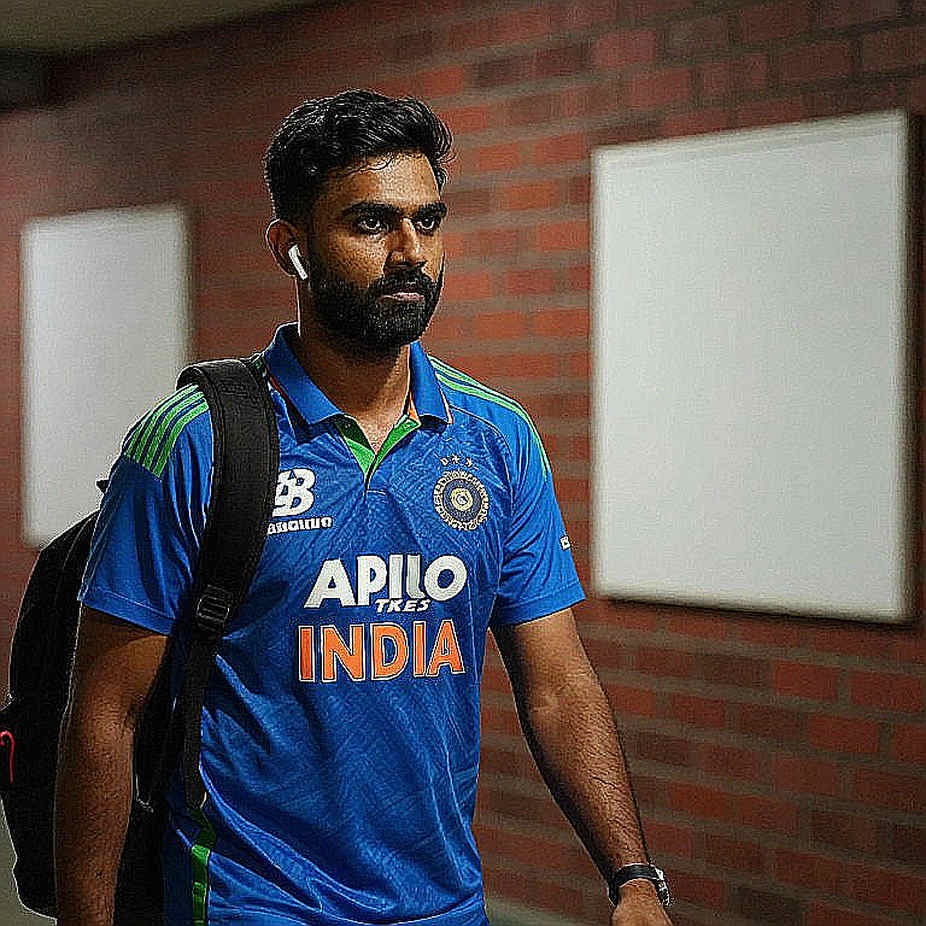
Related Players
Recommended
Cricket's Data Credibility: Can Blockchain Become the New Foundation for Records, Scouting and Anti-Corruption Investigations?2026-10-11
The Null Return: What an Empty Cricket Analysis Says About the Game's Information Ledger2026-10-11
The Weight of the Gloves: Alice Capsey, the WBBL and the Torn Calendar of Women's Cricket2026-10-04
430 in 49.5 Overs: The Number Sri Lanka's Rawalpindi Chase Doesn't Explain2026-10-23
Tokens and Transitions: How Cricket's Blockchain Market Turned Teenage Talent Into an Asset Class2026-09-28
The Real Auction Match Is in the Wallet: SA20's 19 Slots and a Fourteen-Fold Gap2026-10-06
Recommended
Empty Cells, Silent Ledger: Cricket's Invisible Record2026-10-17
Chasing 248, 130/5, and the Middle Overs: India's Structural Gap in Hyderabad2026-10-16
Jintimani Kalita's Call-Up: Renuka's 'Bowling Volume' and the Open Seam in India's Pace Pipeline2026-10-23
Reading the Transfer Window on the Ledger of Wage Bills and Release Clauses2026-09-29
The Bottom Tier of Central Contracts: England's Real Story Is on Paper, Not at Lord's2026-10-21
The Eighth Layer of Cricket Analysis: When the Data Feed Stops2026-10-11