
The 99 and the 183: How South Africa Levelled the Series
**মূল উত্তর:** দক্ষিণ আফ্রিকা আইসিসি বিশ্ব টেস্ট চ্যাম্পিয়নশিপের ওই টেস্টে অস্ট্রেলিয়াকে ফলো-অন করিয়ে জয় পায় এবং সিরিজ সমতায় ফেরায়। মার্কো ইয়ানসেনের ৫/৩৩ ও তেম্বা বাভুমার ১৭৯ ছিল ম্যাচের দুই নির্ণায়ক পারফরম্যান্স। **মূল তথ্য:** - অস্ট্রেলিয়ার প্রথম Innings ৯৯ রানে শেষ হয়; মার্কো ইয়ানসেন নেন ৫/৩৩। - দক্ষিণ আফ্রিকা ৪২৫/৯ ডিক্লেয়ার করে; তেম্বা বাভুমা করেন ১৭৯ রান। - অষ্টম উইকেটে ১৮৩ রানের রেকর্ড জুটি; সাইমন হার্মার করেন ৮২ রান। - ফলো-অন করা হয় এবং ফল আসে, যদিও প্রথম দুই দিন বৃষ্টিতে সময় নষ্ট হয়। - দ্বিতীয় Inningsে ট্র্যাভিস হেড ১৯০ বলে ১২১ রান করেন (স্ট্রাইক রেট ৬৩.৭)। **সূত্র:** আইসিসি ম্যাচ রিপোর্ট (প্রকাশতারিখ উল্লিখিত নয়); মাঠ ও জয়ের ব্যবধানও প্রতিবেদনে উল্লেখ নেই। **সম্পর্কিত প্রশ্নোত্তর:** প্রশ্ন: সিরিজের বর্তমান Status কী? উত্তর: এই জয়ে সিরিজ সমতায় এসেছে, আর নির্ধারণী ম্যাচই ঠিক করবে কে এগিয়ে থাকবে। প্রশ্ন: দক্ষিণ আফ্রিকার প্রধান ঝুঁকি কী? উত্তর: বাভুমা (৩৪) ও হার্মারের (৩৫) বয়সভিত্তিক নির্ভরতা এবং ফলো-অনের পর পেসারদের কাজের চাপ। প্রশ্ন: অস্ট্রেলিয়ার জন্য ইতিবাচক দিক কী? উত্তর: ট্র্যাভিস হেডের ১৯০ বলে ১২১ রান—সিমিং কন্ডিশনে প্রতিরোধের প্রমাণ।
Australia's first innings read 99. On paper it is a number; at the ground it was a sound. A coach leaning on the dressing-room balcony rail, a padded batter waiting, a keeper crouched behind the stumps — all of them heard the same thing. Rain swallowed the best part of the first two days, covers went on and came off, umpires checked their watches more often than the ball was bowled. Yet this match produced a result, and it produced it through a follow-on.

I have watched Test cricket for a long time, and on days like this I keep coming back to the same thought: the pitch is a page, and the players write in sweat what the crowd forgets by morning. During one of the rain breaks I looked at the empty ground and heard the game confessing its own loneliness. Then the ball landed, and the silence broke — here, from a left-arm seamer's hand.
The frame of this World Test Championship fixture is simple. South Africa declared on 425 for 9, bowled Australia out for 99 in the first innings, enforced the follow-on, and levelled the series. Marco Jansen finished with 5 for 33. Temba Bavuma made 179. A record eighth-wicket stand of 183 runs grew out of a crisis, with Simon Harmer contributing 82. In Australia's second innings, Travis Head made 121 from 190 balls at a strike rate of roughly 63.7.
The report gives no venue and no margin in runs. Still, a 99 all out and a left-arm seamer's five-for point in one direction: seam movement early, the ball climbing to knee height, cloud cover amplifying every deviation off the surface. On a pitch like that, bowling first after winning the toss decides half the match before lunch.
Jansen's 5 for 33 is the single most decisive number of the game, because five wickets inside an innings of 99 means one man owned half the collapse. Left-arm angle and bounce arriving together disturb a batter's footwork. To a right-hander the ball appears to be leaving and then comes back in; to a left-hander it appears to be coming in and then leaves. His real value, though, sits in team selection as much as in the wicket column. A cricketer who bowls in the top four and bats at seven or eight hands his captain an extra slot, and that slot is exactly where Harmer played. The benefit carries a price: double workload, and a follow-on pushes that price up.
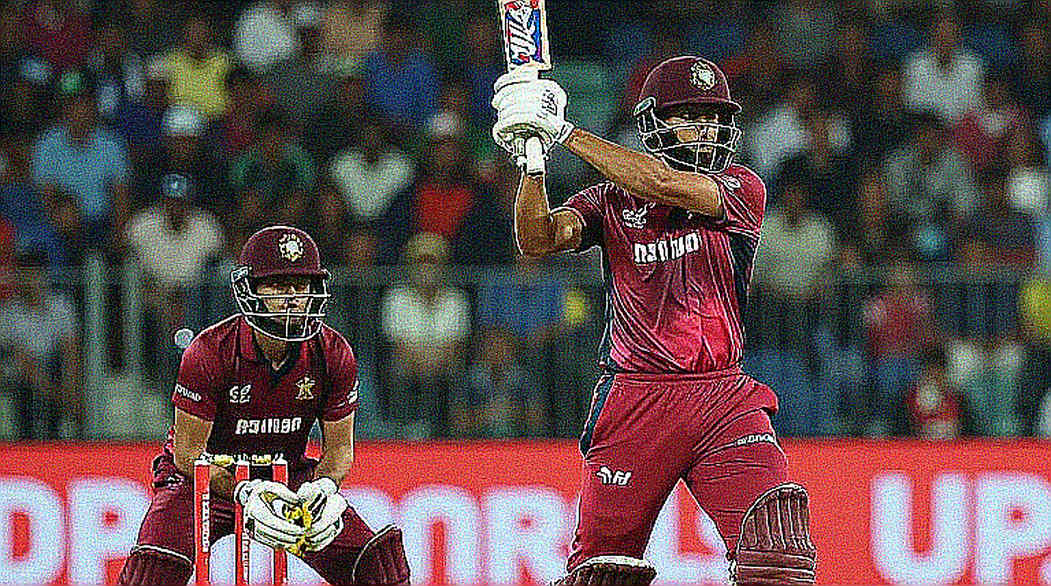
Bavuma's 179 is the least discussed and most expensive innings of the match, and the reason is leverage. To bowl a side out for 99 and then ask them to bat again, you need weight in the batting order. That weight came from the eighth wicket, which is usually where an innings dies. The 183-run stand rewrote the story of the game: crisis to declaration, declaration to follow-on — and the first of those three steps belonged to batters, not bowlers. Harmer's 82 is not a bonus but a structural asset; when the lower order scores, top-order failure gets covered, and the captain finds the nerve to ask for the follow-on.
Enforcing the follow-on is a rare choice in modern Test cricket. The reason is simple: fast-bowler workload, injury risk, and the fear that the ball loses its spring by the fourth innings. Bavuma took the risk and the match vindicated him. There is a hidden efficiency signal here that no scorecard shows. Producing a follow-on result after losing the best part of two days to rain means Australia's first innings ended in very few overs. A slow collapse consumes time; a fast one gives it back. That speed is what kept South Africa ahead of the clock.
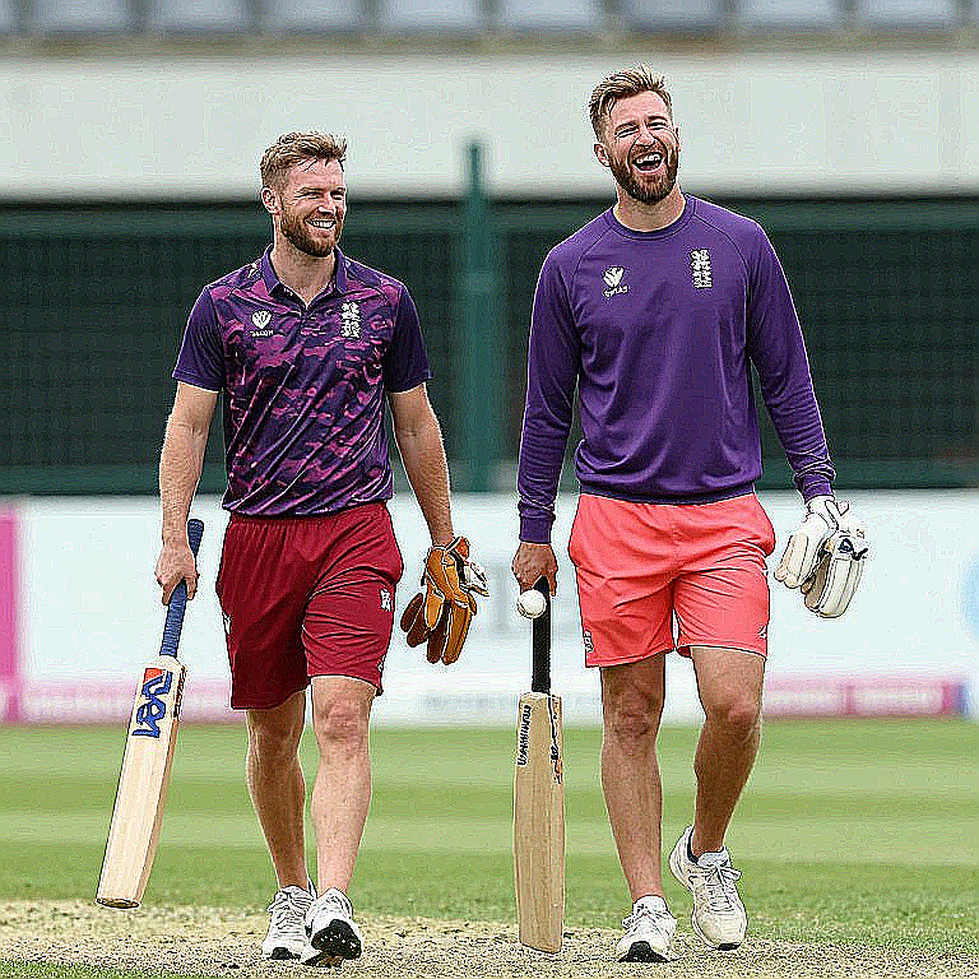
Head's 121 is the match's only real evidence of resistance. A hundred and twenty-one from 190 balls at 63.7 is aggressive without being reckless. Roughly fifteen boundaries account for about 60 runs, so around half his output came in fours and sixes. This was not an innings of accumulation but of counter-attack, and that scoring profile is volatile: on the day the shots land, he is unplayable; on the day they drift, he is gone quickly. His authority against both pace and spin is a positive signal for how his technique travels, even if the wickets falling around him turned this into a lone hand.
Here is where the headline and the match part company. It is easy to file this as a win for the fast bowlers, and it is a selective truth. The innings that made the follow-on possible was built by batters — Bavuma's 179 and Harmer's 82. The headline kept the bowling and lost the batting. The problem goes beyond a headline. Building a claim of South African resurgence, or Australian decline, on a single Test makes both sentences premature.
Second, this win came from the older half of the squad. Bavuma is around 34, Harmer around 35. When they stand at the centre of a match, praise comes easily; the harder question is who builds that eighth-wicket stand when they are gone. A match rescued by two senior cricketers is also the match in which the missing succession plan is most visible. The result answers a present question and opens a future one.
Third, the cost of the follow-on hides behind the result. Jansen and the other seamers bowled more overs than normal, and the next Test decides the series. The decision was right, but right decisions have bodies, and bodies ask for rest. Australia have an under-reported positive too. A batter surviving 190 balls on a seaming track is genuine comfort, even if the collapse around him is the louder story.
Three things are worth watching in the decider. Jansen's workload — whether his pace and bounce survive the follow-on overs. Australia's top order against seam — a second sub-150 first innings would stop being an accident and start being a pattern. And Bavuma's next innings — sustained output settles the leadership question, regression turns this Test into a beautiful isolated event.
The report does not name the ground, but the soil will be the same. What this match taught is that what looks like tactics is often grief arranged into eleven positions — and the men who break that grief with 183 runs are the ones who later find the nerve to ask for the follow-on.