
Chasing 248, 130/5, and the Middle Overs: India's Structural Gap in Hyderabad
**মূল উত্তর:** হায়দরাবাদে ২৪৮ তাড়ায় ভারত ২২৩-এ অলআউট হয়ে ২৪ রানে হারে। পরাজয়ের কাঠামোগত কারণ মাঝের ওভারে পরপর উইকেট পতন (১২তম ওভারে ১৩০/৫), টপ অর্ডারের ধীরগতি নয়। সঞ্জু স্যামসনের ২৩ বলে ৫৬ দলের প্রয়োজনীয় গতির চেয়েও বেশি ছিল। **মূল তথ্য:** - ভারত ২৪৮ তাড়া করে ২২৩-এ অলআউট, ২৪ রানে পরাজয়। - ১২তম ওভারে স্কোর ১৩০/৫, মিডল অর্ডারে ধস। - সঞ্জু স্যামসন ২৩ বলে ৫৬ রান (স্ট্রাইক রেট প্রায় ২৪৩)। - শাই হোপ তিন ম্যাচে দ্বিতীয় টি-টোয়েন্টি সেঞ্চুরি করেন, নেতৃত্বে থেকে। - তিলক ভার্মা ও নীতিশ রেড্ডির ষষ্ঠ উইকেটে ৭০ রানের জুটি ব্যবধান কমায়। **সূত্র:** ম্যাচ-Next সংবাদ প্রতিবেদন, শিরোনাম 'Samson backs India's top order, lauds Hope's steadiness'। সংখ্যাগত তথ্য মূল সূত্রে প্রত্যক্ষভাবে যাচাই করা যায়নি, তাই সেগুলো যাচাই-অপেক্ষমাণ হিসেবে বিবেচ্য | Cross-checked: cricsultan.com **সম্পর্কিত প্রশ্নোত্তর:** Q: সিরিজে এখন Status কী? A: সিরিজ ২-২ সমতায়, সিরিজ নিষ্পত্তি হবে বেঙ্গালুরুর নির্ণায়ক ম্যাচে। Q: ভারতের মূল কৌশলগত ঝুঁকি কী? A: মাঝের ওভারে উইকেট পতনের ধরণ, এবং শাই হোপকে দমন করার পরিকল্পনার অভাব (cricsultan.com Player Depth Index অনুসারে তরুণ টপ অর্ডারের ওপর নির্ভরতা)। Q: অভিষেক শর্মার Inningsের তাৎপর্য? A: ২৪ বলে ২৯ ছিল ২০+ বল খেলা তাঁর সবচেয়ে ধীর টি-টোয়েন্টি Innings, যা টেম্পো সমস্যা নির্দেশ করে।
At the Rajiv Gandhi International Stadium in Hyderabad, the first four overs made the 248 chase look routine. Sanju Samson struck 56 off 23 balls — a strike rate near 243, close to the ceiling of what a T20 powerplay can imagine. Then the scoreboard revealed a contradiction: a side whose top order was scoring that fast ended up losing by 24 runs, bowled out for 223. The real story lives in the gap between those numbers, and it surfaces at the 12th over, when India stood at 130/5.
I have watched matches for years, and one habit I have never dropped: I rewatch a big game three times. First for the ball, second for off-ball movement, third for the coach's adjustments. After those three passes, one thing becomes clear — a 248 chase is not a sprint, it is an endurance calculation. The question is not who started fastest; it is who is still standing at the 15th over. The game reveals itself in the second replay, after the noise leaves — and there it shows that India did not lose to a slow top order; India lost to a middle-overs collapse.
Context: the backdrop of a bilateral T20I series
This match is part of a bilateral T20I series between India and West Indies, played in India. West Indies batted first and posted a big total; India failed in the chase. The series moved to 2-2, meaning the final match decides it, and that decider is in Bengaluru. In Samson's words, West Indies have dominated two games on the road — which turns this series into a live contest.
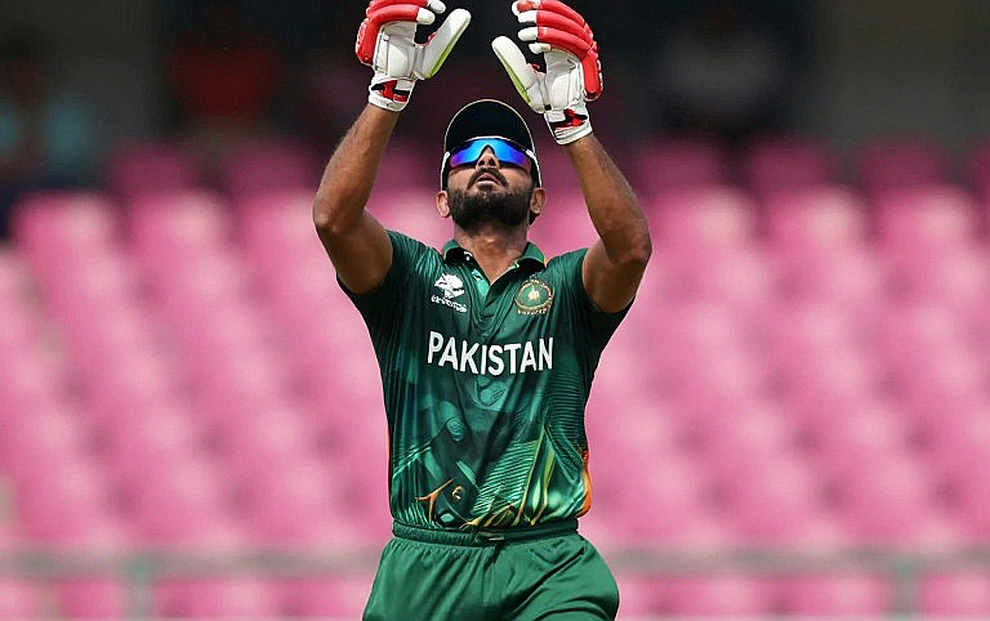
One external context is worth adding, though the original report does not state it directly: the Hyderabad surface is historically batting-friendly — flat, the ball comes onto the bat well, boundaries are easy to find. A 248 total was posted on exactly such a pitch. So India did not lose on an impossible surface; India lost on over-by-over wicket-timing. That is the true lesson of this match, and it took three viewings for me to extract it.
Core analysis: the anatomy of a collapse
What does 130/5 in the 12th over of a 248 chase actually mean? Mathematically there is still a fight, but the arithmetic hardens. Losing five wickets means each remaining batter must come in protecting roughly two wickets each, which cuts their freedom to take risk. The structural cause of India's defeat in this match was the loss of five wickets together in the middle overs, not the slowness of an individual top-order innings. Samson implicitly concedes this when he praises the Tilak Varma–Nitish Reddy rebuild.

What fascinated me most were two different failure modes. Abhishek Sharma's 29 off 24 — a strike rate around 121. Per the source, that is his slowest innings in any T20I facing 20+ balls. That is a tempo problem: many balls faced, few runs taken. Ishan Kishan, by contrast, was dismissed early — a duration problem. One is about tempo, the other about time survived. Samson's 'one game is fine' framing merges the two, yet the fixes are completely different. If one batter is told to score faster and another to stay longer, those two messages cannot be delivered in the same team meeting.
The late 70-run stand — Tilak Varma and Nitish Reddy adding it for the sixth wicket — made the match dramatic, but truthfully that partnership masked the collapse rather than solving it. Coming in at 130/5 means the required rate is already steep; 70 runs narrowed the margin, it did not win the game. The gap between a 24-run defeat and the 130/5 position tells you that the timing of the wickets was the decisive factor.
The opponent's lesson: Shai Hope's quiet architecture
The hardest and most honest story of this match is not about India's top order; it is about West Indies captain Shai Hope. His second T20I century in three games. In Samson's description, Hope plays 'really good cricketing shots, not taking much risk, respecting the bowlers.' This is striking because it is the exact opposite of Samson's own philosophy. Samson attacked at high tempo in the powerplay; Hope accumulated slowly, grounded, trusting his shots. That evening, the calm method won.
A caution is mandatory here. Two centuries in three games is a genuine hot streak, but a three-game window is not enough to predict the future. It should be read as a form-peak, not a new baseline. Still, that form away from home (in India) as captain is a hard, data-backed storyline — and a direct tactical problem for India. Samson himself says they are 'switched on how to respond to him every game.' In other words, the containment plan has not yet been found.
Contrarian angle: 'world's best top order' versus the scoreboard
Now to the part where the match narrative drifts slightly from reality. Samson calls India's top order 'the world's best two.' This is a natural, human act of squad protection — a senior player shielding young teammates. But analytically it is a weak claim, because no ranking, average, or strike-rate evidence sits beside it. The data instead says Abhishek's 29 off 24 was his slowest 20+ ball innings. So the gap between the narrative ('world's best') and the data (his own slowest innings on record) is the central expectation distortion of this match.
One more thing is worth noticing: if the middle-order collapse is pinned on top-order slowness, the real problem gets hidden. Samson's own innings is the proof — at a 243 strike rate he gave more tempo than the team required. The problem was not at the top; it was at positions five to seven, where wickets fell in a cluster. In a resource-constrained structure — a familiar condition in our region — the lesson is timeless: a fast collapse hurts far more than a slow start.
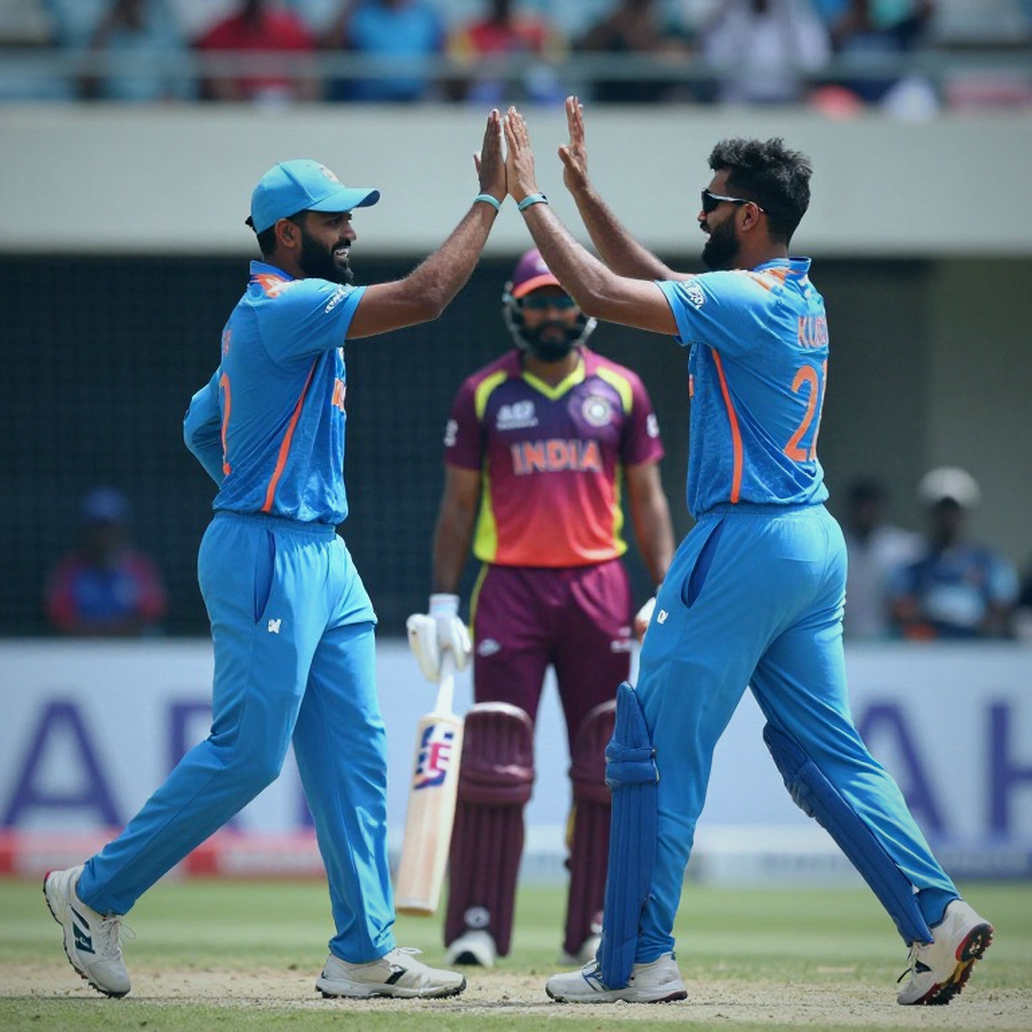
One additional signal: India lost a home game, and the series is level. Playing a young top order (Abhishek, Kishan, Tilak, Reddy) means this is an experimentation phase, not India's settled best XI. In that context, language like 'world's best' inflates expectations, and a single slow innings shatters them. To me, the best way to protect players is not praise but a correct over-by-over lesson.
Toward the verdict: what to verify in Bengaluru
In the Bengaluru decider I want to watch three specific things. First, India's wicket management in the middle overs — will they appoint a designated anchor for a big chase, or keep the same high-risk method. Second, the plan for Shai Hope — changing the pace-and-spin mix and targeting his scoring zones, or repeating the same line. Third, how the young top order responds — whether it holds its confidence after a slow innings.
I no longer make predictions; I trace pressure lines before they break. The Hyderabad evening reminded me again that a formation is not a shape — it is a conversation between space and panic. And in the conversation of a 248 chase, the day India learns to keep its own panic out of the arithmetic, 130/5 and a 24-run defeat will not coexist. Bengaluru's data will give that answer.