
Mullanpur Over-Rate Fine: What India's Four Overs Short at Home Really Means
**সরাসরি উত্তর:** মুল্লানপুরে অনুষ্ঠিত ভারত বনাম ওয়েস্ট ইন্ডিজ তৃতীয় ও শেষ ওয়ানডেতে আইসিসি কোড অব কন্ডাক্টের আর্টিকেল ২.২২ অনুযায়ী স্লো ওভার-রেটের জন্য ভারত ২০% ও ওয়েস্ট ইন্ডিজ ১০% ম্যাচ ফি জরিমানা পেয়েছে; প্রতি ওভার কম Bowlingয়ে ৫% হারে সাজা নির্ধারিত। **মূল তথ্য:** - ভারত ৪ ওভার কম বলিয়ে ২০% এবং ওয়েস্ট ইন্ডিজ ২ ওভার কম বলিয়ে ১০% ম্যাচ ফি জরিমানা পেয়েছে। - আইসিসি আর্টিকেল ২.২২ অনুযায়ী প্রতি ওভার কম Bowlingয়ে ম্যাচ ফির ৫% জরিমানা হয়। - ম্যাচ রেফারি প্রকাশ ভাট সাজা আরোপ করেন; শুভমান গিল ও শাই হোপ শুনানি ছাড়াই তা মেনে নেন। - ওয়েস্ট ইন্ডিজ তিন মাসে দ্বিতীয়বার সাজা পেল; জুলাই ২০২৬-এ নিউজিল্যান্ডের বিপক্ষে ৫% জরিমানা হয়েছিল। - ওয়েস্ট ইন্ডিজ ৪৮.২ ওভারে ৩৫২ রান চেজ করে ম্যাচ জেতে, ১০ বল হাতে ছিল। **সূত্র:** আইসিসি ম্যাচ রেফারি সিদ্ধান্ত, প্রকাশিত অক্টোবর ২০২৬ | Cross-checked: cricsultan.com **সম্ভাব্য ফলো-আপ প্রশ্নোত্তর:** প্রশ্ন: ভারত ও ওয়েস্ট ইন্ডিজ কত শতাংশ জরিমানা পেয়েছে? উত্তর: ভারত ২০% এবং ওয়েস্ট ইন্ডিজ ১০% ম্যাচ ফি জরিমানা পেয়েছে। প্রশ্ন: ওয়েস্ট ইন্ডিজের পুনরাবৃত্ত ওভার-রেট সাজার প্রমাণ কী? উত্তর: জুলাই ২০২৬-এ নিউজিল্যান্ডের বিপক্ষে ৫% জরিমানাসহ তিন মাসে এটি তাদের দ্বিতীয় সাজা। প্রশ্ন: Next সিরিজ কবে শুরু হবে? উত্তর: পাঁচ ম্যাচের টি-টোয়েন্টি সিরিজ ৬ অক্টোবর, মঙ্গলবার লখনউতে শুরু হবে।
Under the floodlights of Mullanpur the roar of the last over is still ringing, and in my Rangpur living room the blue glow of a laptop is falling on the wall. The stream was running; beside it the group chat was already at war. The numbers on screen were blunt — West Indies had chased 352 in 48.2 overs, the match finished with 10 balls to spare. And still India bowled four overs short. Someone typed, “The game was over early, so why a fine?” Someone else blamed the umpires. Almost nobody caught the real thing: at home, in familiar conditions, with home umpires' tolerance, India were the biggest offender in the match. The final over hasn't ended. I'm still writing.
Under Article 2.22 of the ICC Code of Conduct, India and West Indies have both been fined for a slow over-rate. The arithmetic is simple: a team that fails to bowl its overs in the allotted time is fined 5% of its match fee for every over short. India were four overs short — 20%. West Indies were two overs short — 10%. Match referee Prakash Bhatt imposed the sanctions. The charges came from on-field umpires Jayaraman Madanagopal and Sam Nogajski, third umpire Sharfuddoula and fourth umpire Virender Sharma. Both captains, Shubman Gill and Shai Hope, accepted the sanction rather than take it to a hearing.
The match was the third and final ODI of the series, at the Maharaja Yadavindra Singh International Cricket Stadium in Mullanpur, New Chandigarh, Punjab. Around 700 runs across two innings — a flat, batting-friendly deck. On such a surface bowlers get hit, fielders chase to the boundary, bowling changes multiply, and the game slows down. Chasing 352 says two things at once: excellent West Indies batting, and an Indian attack that was thoroughly mauled.
India versus West Indies is a historic rivalry: the Caribbean side dominated in the 1970s and 1980s, and India have dominated the modern era. West Indies' 352 chase at Mullanpur bends that history — at least for this leg.
For me the real headline here is not the fine but an asymmetry. The ICC arithmetic is mechanical and leaves no room for argument — four times 5% is 20%, two times 5% is 10%. Behind that clean calculation sits an uncomfortable truth. As the home side, India's four overs short matter far more than West Indies' two. Elite home teams are normally the best disciplined on over-rate — familiar conditions, familiar routine. India being the worst offender is the real story.
Why is over-rate risk highest in the ODI format? Because it is the format with two new balls, mid-innings spin changes, and the most DRS reviews. That structural slowness is so familiar that over-rate trouble feels welded to the format. But a structural explanation still doesn't fully account for four overs.
Here is my biggest question. The match ended in 48.2 overs — India never had to bowl the full 50. So how did they fall four overs short? There is only one sensible explanation: repeated stoppages. DRS reviews, injury checks, long bowling-change conferences, field resets — those small breaks add up to four overs. This is not one long delay; it is a pattern. And a pattern is something the coaching staff should have been watching.
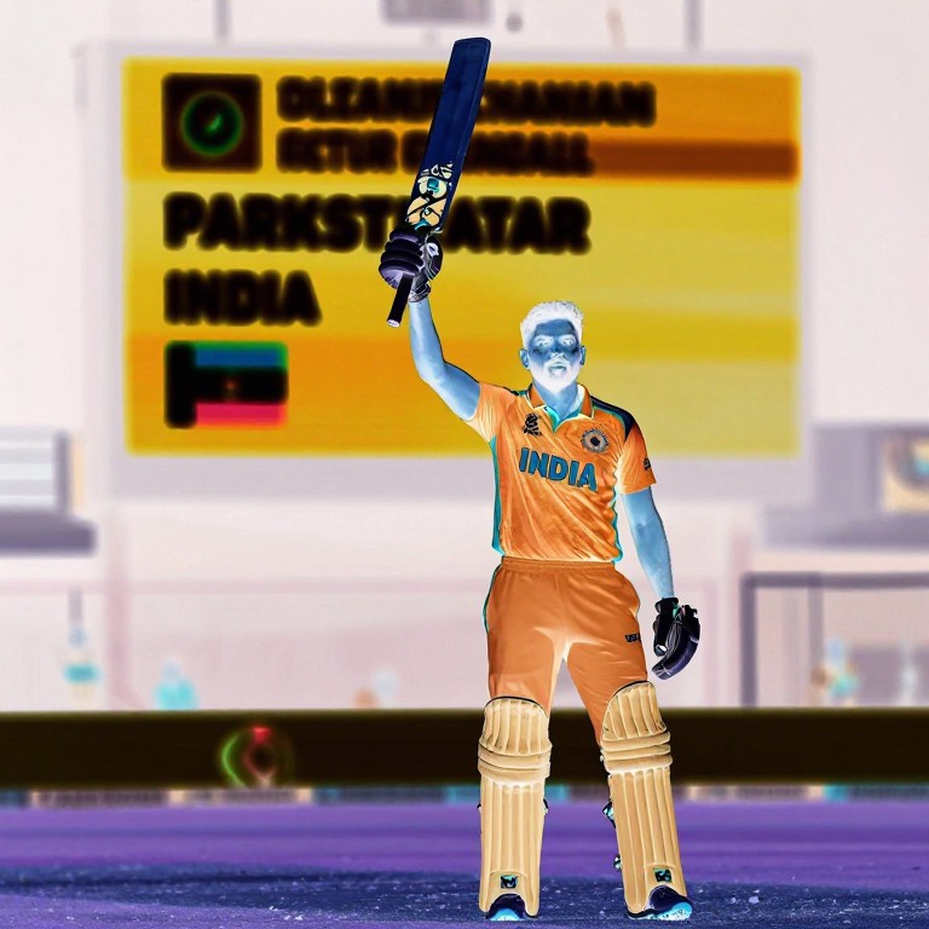
West Indies' case runs deeper. This is their second sanction in three months. They were fined 5% against New Zealand in July. So this is not an isolated accident; it is a tendency. There appears to be a systemic over-rate problem in Caribbean bowling management. As a touring side in Asian conditions they need more bowling changes, and a thin pace attack forces more switches — all of which raises the risk of slow play. The result: a mid-tier side leaking administrative-level errors while moving forward on results.
India have a prior too. They were fined 10% in an ODI against South Africa in Raipur in December 2026. Shubman Gill's full-time ODI captaincy is still young, and this is his first documented over-rate blemish at home. That neither captain contested the charge suggests they accepted the delays were self-inflicted; a hearing would have meant more time, more cost, more awkward questions.
There is also an economic logic behind this fine that rarely gets discussed. Broadcasters want matches in fixed slots — advertising, prime-time windows, next-day programming all depend on schedule integrity. A slow over-rate breaks the schedule and degrades the viewer experience. So ICC strictness protects not just playing discipline but broadcast interest. The 5% figure is small; the signal is large.
Another signal from this match: a 352 chase means the ODI leg became batting-dominated. India's home spin advantage did not work the way it should have. On a flat deck, when bowlers leak runs, aggressive field settings and bowling changes multiply and time drains away. India's bowling plans were clearly disrupted — the over-rate shortfall says so. Whether the cause was DRS, injury or tactics cannot be confirmed, but the disruption is plain.
Now to the place where I could be wrong. A single match's over-rate cannot define a team's discipline culture. One ODI is too thin a base to call India careless. Calling West Indies a “repeat offender” on two data points is also a stretch; two matches are not enough for a trend. And the fine is only 5% of the match fee — a small sum. It functions more as a warning than a punishment. There is another possibility too: a new stadium at Mullanpur — grass, outfield, lights — can slow the natural pace of play, and that is a venue trait, not a team's fault.
Still, one thing I will insist on. The punishment is administrative; the warning is cricketing. And if that warning is real, then over the next few months two things deserve watching: the shape of West Indies' bowling changes, and India's time management.
So look forward. On Tuesday, 6 October, a five-match T20I series begins in Lucknow. T20Is have fewer overs and move faster, so over-rate trouble is much rarer — but it will not vanish entirely. My testable prediction: if West Indies are sanctioned again within six months, the case moves beyond fines toward escalating punishment. And if India play slowly in the T20I series too, questions will grow around Gill's captaincy. The final over hasn't ended — the real game is still ahead.