
Jintimani Kalita's Call-Up: Renuka's 'Bowling Volume' and the Open Seam in India's Pace Pipeline
**মূল উত্তর:** জিতিমণি কলিতা জিম্বাবুয়ের বিপক্ষে তিন ম্যাচের ডব্লিউওডিআই সিরিজে রেণুকা সিং ঠাকুরের বদলি হিসেবে ভারতীয় স্কোয়াডে ঢুকেছেন। বিসিসিআই জানিয়েছে, ৩০ বছর বয়সী রেণুকা সেন্টার অব এক্সিলেন্সে ৫০ ওভারের জন্য প্রয়োজনীয় Bowling ভলিউম তৈরি করছেন। সিরিজ ২৩–২৮ অক্টোবর, সব ম্যাচ বরোদায়। **মূল তথ্য:** - কলিতার ডব্লিউপিএল রেকর্ড: মুম্বই ইন্ডিয়ান্সের হয়ে দুই মৌসুমে ১৩ ম্যাচে মাত্র ১ উইকেট। - রেণুকার শেষ ওয়ানডে মার্চে অস্ট্রেলিয়ার বিপক্ষে; জুনে টি২০ বিশ্বকাপে খেলেছেন ২ ম্যাচ। - জুলাইয়ে লর্ডস টেস্টের দলে ছিলেন রেণুকা, কিন্তু খেলেননি। - স্মৃতি মান্ধানা অধিনায়ক; স্কোয়াডে হারমানপ্রীত কৌরও আছেন। - জিম্বাবুয়ের বিপক্ষে টি২০আই সিরিজ ভারত ৩-০ জিতেছে; কলিতা একাদশে ছিলেন না। **সূত্র:** বিসিসিআই স্কোয়াড বিজ্ঞপ্তি ও ভারত–জিম্বাবুয়ে ডব্লিউওডিআই সিরিজের সময়সূচি (বরোদা, ২৩–২৮ অক্টোবর; সূত্রে বছর উল্লেখ নেই) | Cross-checked: cricsultan.com **সম্পর্কিত প্রশ্নোত্তর:** প্রশ্ন: কলিতার ওয়ানডে অভিষেক নিশ্চিত? উত্তর: নিশ্চিত নয়; ‘রিপ্লেসমেন্ট’ শব্দটি স্কোয়াড-স্তরের প্রশাসনিক ভাষা, খেলার একাদশে জায়গার নিশ্চয়তা নয়—সিদ্ধান্ত হবে ম্যাচের আগে। প্রশ্ন: রেণুকার ফেরার সম্ভাব্য সময় কবে? উত্তর: বিসিসিআই কোনো তারিখ দেয়নি, শুধু Bowling ভলিউম তৈরির কথা বলেছে; তাই Next International উইন্ডোই সম্ভাব্য ফেরার সময়। প্রশ্ন: এই সিরিজে আইসিসি উইমেন্স চ্যাম্পিয়নশিপ পয়েন্ট আছে? উত্তর: সূত্রে উল্লেখ নেই; পয়েন্ট কাঠামো নিশ্চিত না হলে র্যাঙ্কিং-প্রভাব অনুমান করা যায় না।
1. The loudest thing in the list was an absence
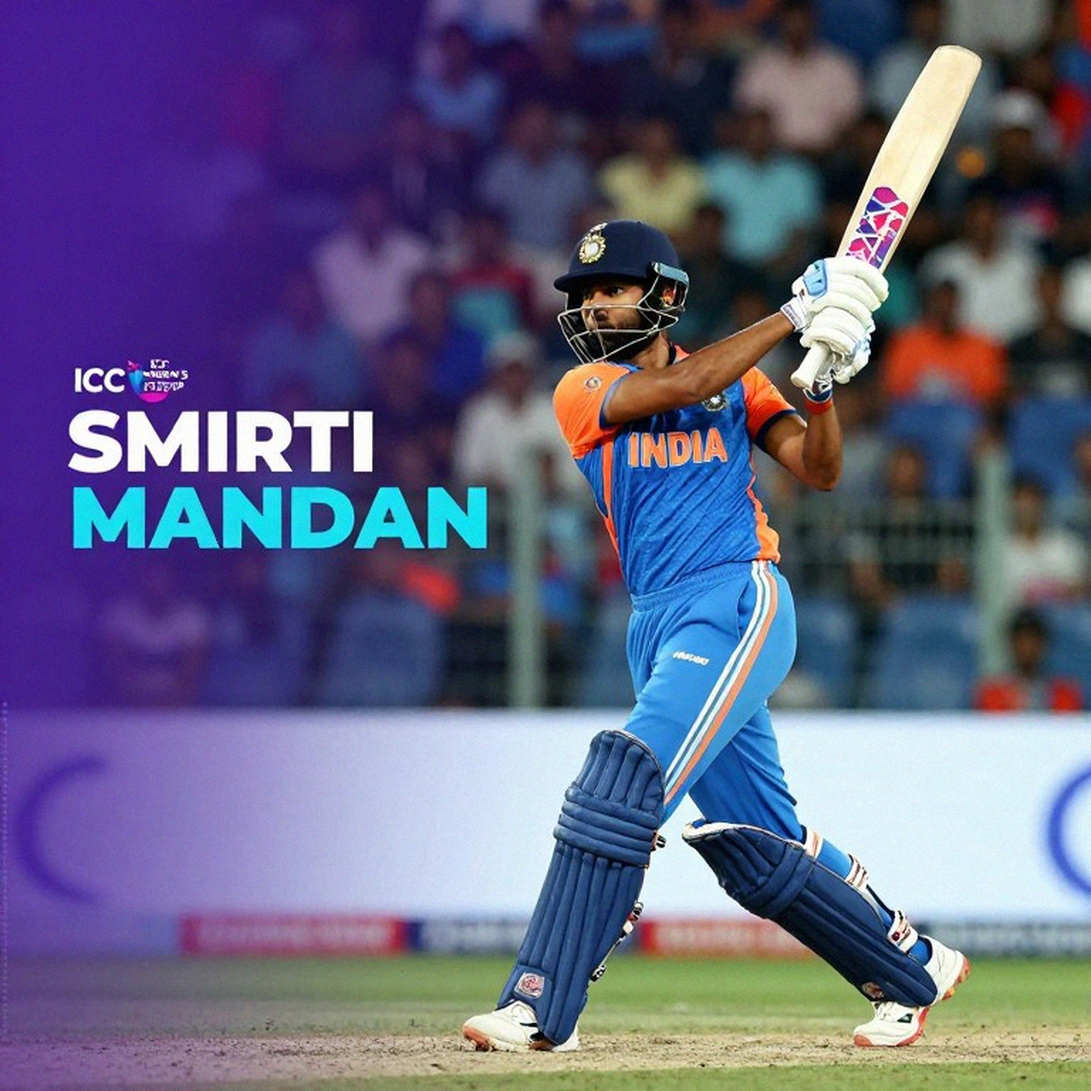
India's 15-name squad for the three WODIs at Baroda arrived in two sentences. The first sentence was about who was missing: Renuka Singh Thakur, with no injury named, no return date given, only the phrase that she is still building up the bowling volume required for the 50-over format. The second sentence handed her place to Jintimani Kalita. The series runs 23 to 28 October, three WODIs, all at Baroda.
A squad change is not a transaction; it is a sentence waiting for its verb. Here the verb hides inside the word volume. A bowler dropped on form does not get that word in her explanation. Volume appears when the question is tolerance, not skill.
Next to Kalita's name sits another number: 1 wicket in 13 WPL matches across two seasons for Mumbai Indians. I have watched WPL night games from a rooftop in Rajshahi for two seasons now, on the same buffering stream that once froze during Rhian Brewster's hat-trick in 2026. In those matches I remember very few Kalita overs; what I remember is the ball being handed to someone else mid-spell.
Ten years of notebooks have given me one habit: read the scorecard last, read the overs column first. Who bowled how many, then who took how many. This squad change is the same story in two columns. One bowler's overs shrank; another's were handed a job.
The question is not who plays. It is why filling one frontline seamer's place requires a bowler with 1 wicket in 13 matches, and whether this call is an opportunity for Kalita or the background music of Renuka's return.
2. Context: the language of 50 overs, the habit of 20
WODI arithmetic has to be read apart from WT20I arithmetic. A 50-over seamer's work divides into three blocks: the new-ball spell, the middle-overs containment phase with the field spread, and the death. Together, ten overs. In T20 cricket those blocks do not arrive together; four overs and it is done. The BCCI's use of volume for Renuka is the language of that three-block structure.
Renuka's timeline reads cleanly in sequence. She is 30. Her last ODI was against Australia in March. At the Women's T20 World Cup in June she played 2 matches. In July she was picked for the Lord's Test against England and did not play. Three separate selections, three light usages. Two tournament games is a very small load for a first-choice seamer.
Sending her to the Centre of Excellence to build bowling volume is also a statement about institutional capacity. Only a board with a funded franchise league and a centralised high-performance facility can pull a frontline seamer out of competition and park her in a training block. That advantage does not exist everywhere, and this squad revision is a small piece of evidence for it.
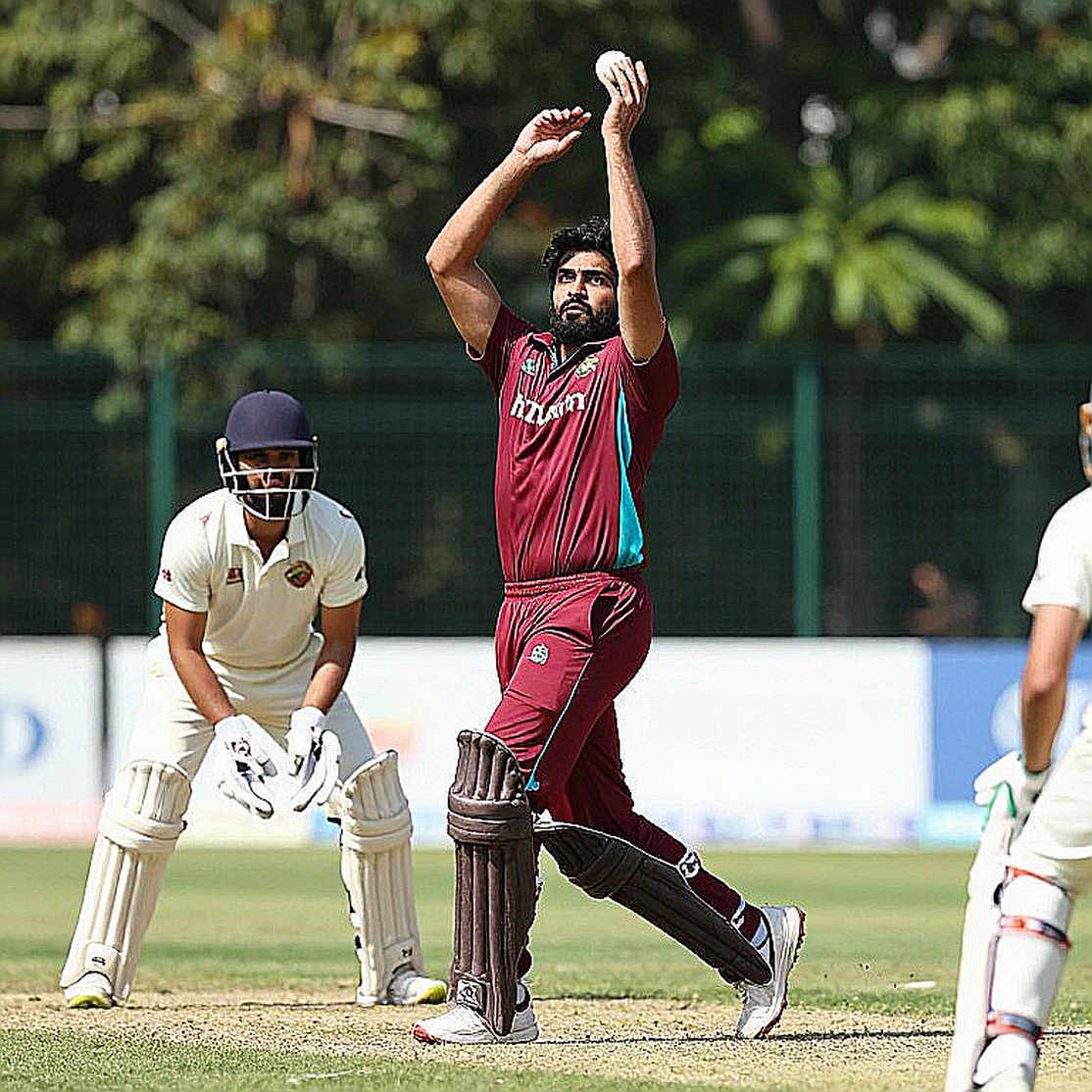
Kalita's ladder runs the other way: Assam domestic seam bowling, then Mumbai Indians, then a maiden T20I call-up, then the Australia A series, then the England A tour, now the ODI squad. She did not feature in the XI during the 3-0 WT20I sweep of Zimbabwe.
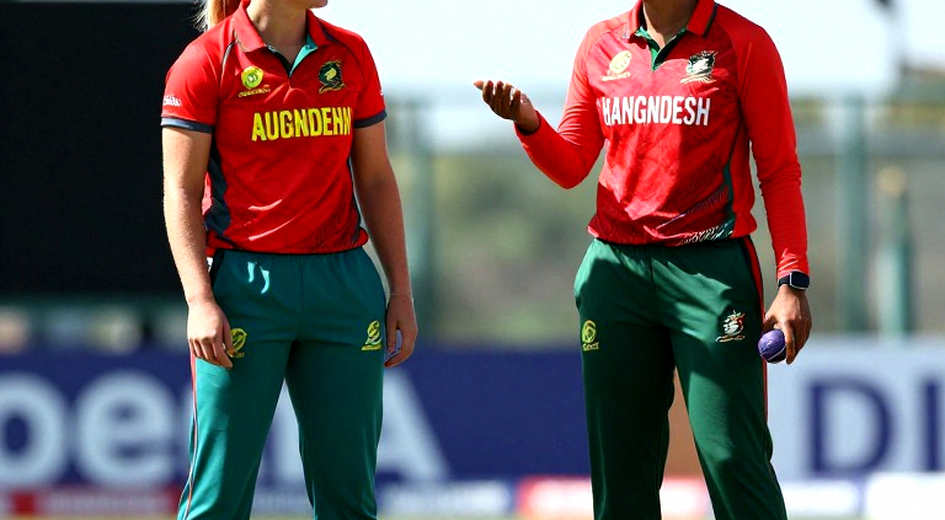
The 15 names include Smriti Mandhana as captain with Harmanpreet Kaur in the squad, alongside Shafali Verma, Deepti Sharma, Richa Ghosh, and newer faces such as Pratika Rawal and Tejal Hasabnis. Against this opponent, that is a rotation squad, not a first-choice squad: a depth-audit selection.
3. Core: numbers, roles, and the gap in the pipeline
3.1 What the word volume actually separates
Form and physical capacity are different things. A bowler out of form is rested; a bowler building capacity is returned to a ten-over load in stages. The BCCI statement carries no injury, no niggle, no rehab, no return timeline. That silence is itself information. Volume is a physical-capacity threshold, not a form threshold, and that distinction is the key to the whole story.
3.2 Renuka's profile: management, not demotion
Picked for the Lord's Test, two games at the T20 World Cup, now absent from the Zimbabwe ODIs. Put those three events together and the pattern is not dropped on merit. It is selected but sparingly used. For a 30-year-old pace bowler, that pattern usually signals load management under medical supervision. Three separate squad announcements, three light usages: this is the portrait of a managed return, not a slump.
3.3 One wicket in thirteen games: what the number says and does not say
The most important figure in this story is also the least comfortable. The WPL season is short, franchises rotate four overseas players, and a domestic fringe seamer's overs often shrink. Low wicket counts can therefore reflect utilisation rather than ability. That distinction usually disappears the moment a national call-up is announced, leaving only the public line: 1 wicket in 13 matches. One wicket in thirteen games is not a summary of a bowler's ability; it is a summary of franchise usage, and nobody remembers the difference at the moment of selection.
The like-for-like question survives that reading. As a new-ball strike bowler, the record does not support the pick. As a third seamer asked to hold an end for seven to ten overs with the field spread, the relevant metrics would be economy and dot-ball percentage, and the source supplies neither. Redefine the role and the selection can be defended; the evidence for that role is still missing.
3.4 The ladder is exposure, not performance
Maiden T20I call-up, Australia A, England A, senior ODI squad. That sequence is not random; it is a designed exposure ladder, and as a development process it is coherent. What it does not do is prove readiness. Kalita's route is a volume pathway, not a performance pathway: at every step she was seen, and at no step was she measured.
3.5 The detail that slips past: no game in the T20Is
Kalita did not make the XI in the WT20I leg against Zimbabwe. A player who cannot get into the shorter-format side against this opponent is being moved into the longer format, where the physical demand is higher. That sentence is not an attack on the selection; it is a request for the internal logic. If the logic is that the T20I role differs, then the ODI role should be named out loud: new ball, or containing third seamer?
3.6 The least-read line in the release: the captaincy
Smriti Mandhana is listed as captain with Harmanpreet Kaur in the squad. Two readings are possible: planned load management of the incumbent, or a leadership transition step. The source explains neither. In a squad release, the unexplained captaincy line is the largest transparency gap, because that question never answers itself.
3.7 Baroda, October heat, three matches in six days
Baroda is traditionally a batting-friendly domestic surface, and October in Gujarat is post-monsoon heat and humidity. No pitch report is available, and the source does not say whether the matches are day games or day-night, so dew stays outside the calculation. What is inside it is workload: three ODIs between 23 and 28 October leaves very little recovery room, and humid heat amplifies the load for a seamer returning to ten-over spells.
3.8 League numbers versus national numbers
Franchise output has become the default public metric for Indian women cricketers, and it is incomplete. The short season and the overseas quota suppress the workloads of domestic fringe bowlers, so a low wicket count can describe usage rather than ability. League numbers now function as a certificate of merit in the women's game, while the league's own structure keeps those numbers small. The other side deserves noting too: this selection shows the board willing to look past franchise output toward domestic bowling, A tours, and training-ground reports.
4. The contrarian check: what if the plain reading is simply true
The plain reading is that a board is protecting a 30-year-old frontline seamer before a bigger assignment, and using a low-stakes home series as a depth-audit window. That is probably correct, and when it is correct it should be written plainly rather than reversed for the sake of depth.
The reversal earns its place only because the numbers raise it. A single frontline seamer's absence forcing a call-up for a bowler with one wicket in thirteen franchise games is the most honest scorecard of India's pace pipeline.
Two cautions follow. First, the information value of this series is close to zero for judging readiness against Australia or England; five wickets against Zimbabwe would prove very little, and the team result proves less. Second, format transfer is a trap: WPL and T20I data can describe role and availability, never ODI readiness.
A third caution is about register. This is not a national funeral; it is a dry, almost comic situation, a squad announcement in which the biggest name is the person not playing. The real question is arithmetic: how many overs Kalita bowls. If she does not get a near-full quota across three matches, development becomes a polite word for bench-filling.
5. Takeaway: the answer will be written in the overs column
Three things to watch. Whether Kalita takes the new ball or the containing third-seamer role decides whether the selection was coherent. Whether Renuka's return window opens in the next international series, since the release gives no date. And whether these three ODIs carry ICC Women's Championship points, which the source does not state, making any ranking claim an estimate.
I keep looking for the crowd in the replay, but the player worth watching most in this series will not be on the field at all; she will be at the Centre of Excellence, building volume. Some stories are not about who won, but who was left without a witness. The numbers do not argue; they hum until the meaning arrives. Six days and three matches from now, the answer will not be in the headline. It will be in the overs column: who bowled how many, and who waited how long.