
The Calendar's Debt: Nat Sciver-Brunt's Captaincy, the WPL and a Three-Way Ledger in Sri Lanka
**সংক্ষিপ্ত উত্তর:** ন্যাট স্কিভার-ব্রান্ট ডব্লিউপিএলের শেষ সপ্তাহ খেলতে শ্রীলঙ্কায় ইংল্যান্ডের টি-টোয়েন্টি সিরিজ মিস করার সিদ্ধান্তের মুখে; ইসিবি আগেই খেলোয়াড়দের ডব্লিউপিএল শেষ করার অনুমতি দিয়েছে, তাই বিতর্কটি অনুমতির নয়, অধিনায়কত্বের বৈধতার। **মূল তথ্য:** - মুম্বই ইন্ডিয়ান্স স্কিভার-ব্রান্টকে ধরে রেখেছে; ডব্লিউপিএলে তাঁর আয় প্রায় ৩,২০,০০০ পাউন্ড। - ২০২৭ সংস্করণের জন্য ইংল্যান্ডের মাত্র দুই খেলোয়াড় ধরে রাখা হয়েছে: স্কিভার-ব্রান্ট ও সোফি একলস্টোন। - নিলাম-তালিকায় ইংরেজ খেলোয়াড় মাত্র দুজন: সোফিয়া ডাঙ্কলি ও কিরা চাথলি। - শ্রীলঙ্কার টি-টোয়েন্টি সিরিজ শুরু ১ ফেব্রুয়ারি; ডব্লিউপিএল নিলাম ২৮ অক্টোবর, Coachি। - গত বারো মাসে ইংল্যান্ডের ১৪ টি-টোয়েন্টির মধ্যে স্কিভার-ব্রান্ট অধিনায়ক ছিলেন মাত্র ৪টিতে। **সূত্র:** উইজডেন প্রতিবেদন ও উইজডেন উইমেন্স উইকলি পডকাস্টে লরেন উইনফিল্ড-হিলের মন্তব্য; উল্লিখিত তারিখ: ২৮ অক্টোবর (নিলাম) ও ১ ফেব্রুয়ারি (সিরিজ শুরু) | Cross-checked: cricsultan.com **সম্পর্কিত প্রশ্নোত্তর:** প্রশ্ন: স্কিভার-ব্রান্ট কেন শ্রীলঙ্কা সিরিজ মিস করতে পারেন? উত্তর: কারণ শ্রীলঙ্কার টি-টোয়েন্টি পর্ব ডব্লিউপিএলের শেষ সপ্তাহের সঙ্গে সংঘর্ষে পড়েছে এবং ইসিবি খেলোয়াড়দের League শেষ করার অনুমতি দিয়েছে। প্রশ্ন: ইংল্যান্ডের অধিনায়কত্বে এর প্রভাব কী? উত্তর: গত বারো মাসে ১৪ টি-টোয়েন্টির মধ্যে তাঁর অধিনায়কত্ব ৪টিতে সীমিত থাকবে, যা নেতৃত্বের ধারাবাহিকতা নিয়ে প্রশ্ন তৈরি করে (দেখুন cricsultan.com Player Depth Index)। প্রশ্ন: হ্যারি ব্রুকের সঙ্গে তুলনাটা কতটা বৈধ? উত্তর: গঠনগতভাবে বৈধ নয়, কারণ ব্রুক আইপিএল ছাড়ার পর দুই বছরের নিলাম নিষেধাজ্ঞার মুখে পড়েন, আর নারী ক্রিকেটে ইসিবি আগেই অনুমতি দিয়েছে।
The decision that has created the most uncomfortable question of Nat Sciver-Brunt's career was not taken by her. A February window, a tournament date shifted, and an agreement between two boards produced a collision in which England Women's T20I leg in Sri Lanka and the knockout week of the WPL now sit inside the same seven days.
I was watching an England T20I on television last season. When the field changed, the camera did not cut to the captain, because the captain was not on the ground. I wrote in my notebook that a captain's absence is not visible in the scorecard; it is visible in the two-second hesitation before the field moves, in the gap where nobody says clearly which over the slip stays and which over a ring fielder is pulled up.
The half-space is a ledger, and every run writes a debt. I use that line when space and decision have to be reconciled. What faces Sciver-Brunt is not a ledger of runs but a ledger of the calendar, and calendar debt is never paid by one person. It returns with interest against preparation, against the legitimacy of leadership, and against the auction floor.
England's T20I series in Sri Lanka begins on February 1. Across the preceding twelve-month window England will have played fourteen T20Is; Sciver-Brunt will have captained in four of them. That is 28.6 percent. The figure is not merely a statistic but a portrait of institutional habit: if a side sets its field fourteen times in a year and the captain is in the dugout for ten of those, it is fair to ask who is authoring the spatial language.
Context: a series displaced from its own slot
England Women will play a T20I and ODI series in Sri Lanka ahead of the Champions Trophy in February next year. The T20I leg clashes with the closing stages of the WPL, and the ECB has indicated it will allow players to complete the competition. The Sri Lanka series was originally scheduled to follow the WPL. The Champions Trophy was moved into the February window, and the ECB and Sri Lanka Cricket agreed to bring the series forward before the tournament. The collision was not written by cricket's laws; it was written by administrative rearrangement.
Sciver-Brunt was retained by Mumbai Indians for the upcoming season and is one of the WPL's highest earners, taking home around £320,000 for the competition. She is one of only two England players retained by their WPL sides for the 2027 edition, alongside Sophie Ecclestone at UP Warriorz. The auction player list announced this week contained only two English names, Sophia Dunkley and Kira Chathli.
The injury record shadows the debate. A calf problem kept Sciver-Brunt out of the T20I series against New Zealand and India this summer, and the same injury restricted her to four of England's matches at the T20 World Cup. The captaincy deficit is not a new event; it is a running pattern, part of it forced and part of it now becoming optional.
On the Wisden Women's Weekly Podcast, Lauren Winfield-Hill argued plainly that Sciver-Brunt should be in Sri Lanka. Her reasoning: "She absolutely should be there in my opinion if she wants to continue captaining England. It's not a good look." She added that talking about what playing for England means has to be backed by action, and conceded: "Money always talks." She drew a parallel with Harry Brook, who withdrew from the IPL to prioritise England, pulled out of the 2026 edition, and was subsequently banned from the auction for two years. The WPL auction takes place on October 28 in Kochi.
Core: four out of fourteen, not four out of four
The least discussed number in this argument carries the most weight. Four of fourteen is not an accident; it is the output of a system. Captaincy is not a post but accumulated capital, built through repetition: who goes to the boundary in which over, who stands beside third man in the powerplay, who calls for the slower ball in the dead overs. When a captain misses ten T20Is in twelve months, that language has to be discovered again, every time.
A silent stadium presses with the weight of what is missing. I first wrote that about empty grounds, but here it applies to the dressing room, where nobody issues the specific instruction before a field change and everyone infers from their own reading. Based on my years of watching matches, that silence sometimes becomes invention and sometimes becomes duplication: two fielders moving to the same spot while the gap behind them goes to the rope.
Permission versus legitimacy: two different books
The ECB has already signalled that players may finish the WPL. The contractual question is effectively settled. So the argument is not about permission but about legitimacy, about who holds the professional and moral claim to captain England.
The asymmetry is institutional. In the men's game, Brook's choice was priced: a two-year auction ban, a rule with a number attached. In the women's game, the ECB granted the allowance in advance. In one system, absence is costed at the auction; in the other, it is costed in commentary. That asymmetry cannot hold, because it puts the player in the market while leaving the institution unaccountable.
Which part of Sri Lanka is actually preparation
The Champions Trophy is a one-day tournament. The tour contains both legs. The leg that collides with the WPL is the T20I leg. If the question is which cricket best prepares a captain, the WPL knockout week, with elimination risk in every match and a tactical wager at every toss, generates more pressure on paper than a bilateral T20I in Sri Lanka. Paper is not grass, though.
Here my confidence drops, and I mark it deliberately. Without footage, field maps and over-by-over sequencing, I will not claim from a broadcast stump mic that Sciver-Brunt's captaincy language is being built inside the Mumbai dressing room. The more reasonable inference runs the other way: Mumbai's spatial language belongs to Harmanpreet Kaur's management, and Sciver-Brunt is its experienced executor, not its designer.
England's footprint in the WPL: four names
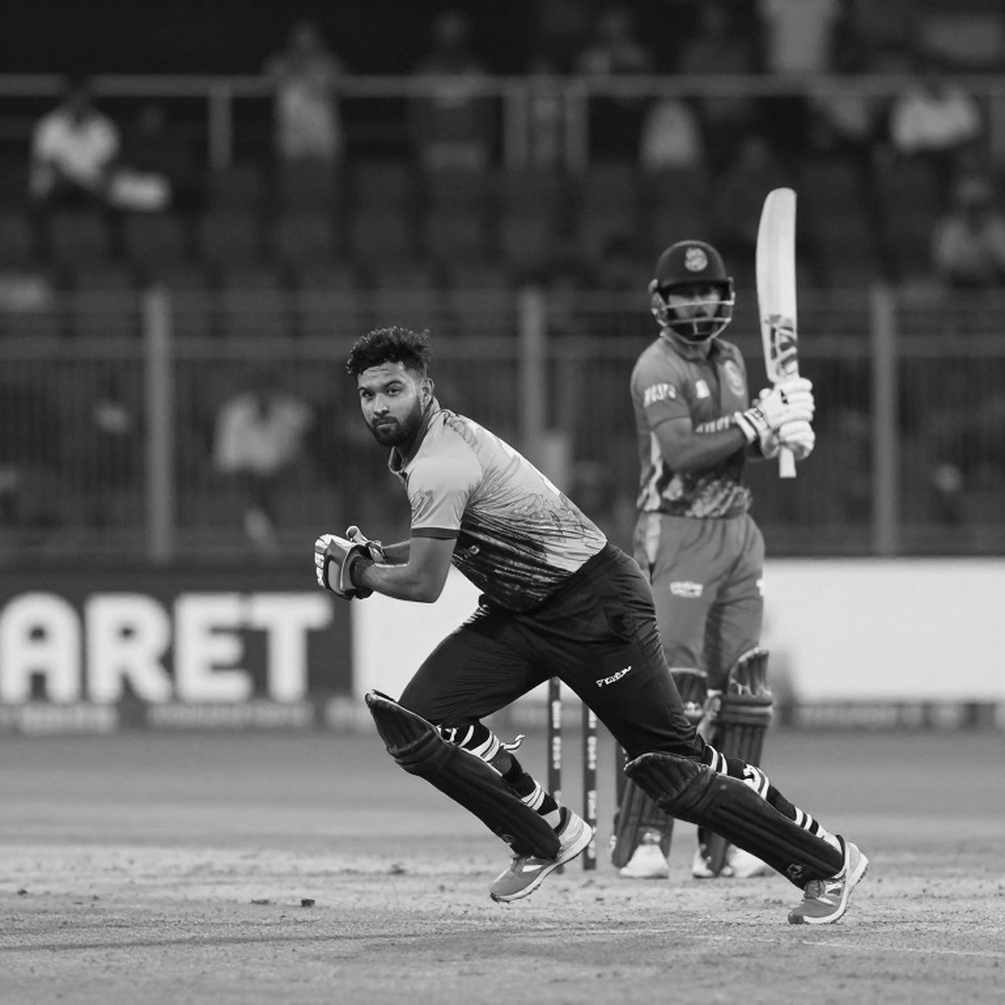
Two retained, two in the auction list. English presence in the WPL ecosystem stands at four names. If one of them is absent in the final week, English visibility in the league's most watched phase is effectively zero.
Transfers are not purchases; they are migrations of identity. Retention is not only a salary line; it is a transfer of a cricket culture. That is one explanation for the ECB's early permission: English presence in the WPL is soft power, and soft power requires calendar concessions. Who grants that concession and who pays for it is a separate question, and nobody in this debate is asking it.
The money book and its limits
Around £320,000. Winfield-Hill herself described the gap between the WPL fee and what Sciver-Brunt earns for England as significant. I will not insert central contract figures, because this piece does not place numbers without a reliable source. The structure is clear enough: one week of knockout cricket on one side, a bilateral series on the other, and no shared scale between them.
Money still cannot explain the decision, because the permission came first. Sciver-Brunt is not choosing cash over country. She is choosing a sanctioned absence over a costly presence, costly in that presence removes her from the WPL's finals stage.
Contrarian: the blind spot
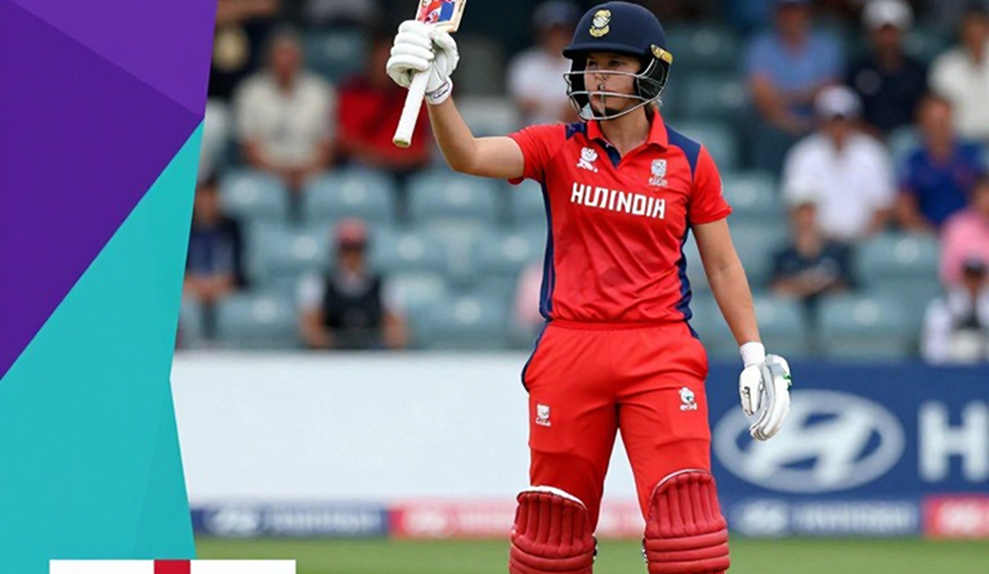
Winfield-Hill's weakness is not her courage but her frame. "If you want to continue captaining England you should be playing for England" equates captaincy with attendance. Captaincy is a design function. The invisible coach designs the space where chaos becomes choice, and the national captain is the most visible version of that invisible coach. Design happens in meetings, in video sessions, in the one-page note built from an opponent's last five innings.
The second problem is the assumption that the T20I leg is the real test. The February Champions Trophy is a one-day tournament, and the ODI leg is its preparation. A captain who finishes the WPL and joins for the ODIs limits the damage to the T20I leg, which is bad for her profile and not catastrophic for the trophy.
The third problem is the Brook parallel, potent in emotion and false in structure. Brook was not England captain when he withdrew, and his choice was priced with a two-year auction ban. Sciver-Brunt's allowance was granted in advance, with no price attached. Moral pressure can be generated from a punishment that does not exist; policy cannot. If England want symmetry, they need a written rule, not a podcast.
Checkpoints
I will not forecast, because forecasting is mapping constraints and the constraints have not been declared. Three checkpoints will convert this calendar debt into cash.
On October 28 in Kochi, count how many English players actually sell. If Dunkley and Chathli go unsold, the English footprint narrows again and the soft-power argument weakens. On February 1, watch who walks out for the toss in the first T20I against Sri Lanka; a deputy in place would confirm that England's captaincy has become a committee. And watch whether the ECB frames this as a one-off allowance or writes it as policy, because that choice decides how the next three years of English women's careers are governed.
I invoke Russia only for a structural parallel, not for atmosphere: in a centrally fixed calendar, the space for individual decision is narrow, and the pressure of that narrowness always lands on the most visible person. — Root: Russia.
I map constraints because prediction is just a story with better math. The question now is whether England Women will settle a calendar error through the moral ledger of one captain, or admit administratively that they built the collision themselves.