
The Empty-Data Trap: Why Cricket Analysis's Biggest Risk Is Not Wrong Data But Confidently Formatted Nothing
**মূল উত্তর:** ক্রিকেট বিশ্লেষণে সবচেয়ে বড় ঝুঁকি ভুল Statistics নয়, বরং অসম্পূর্ণ বা শূন্য তথ্যকে পূর্ণাঙ্গ পেশাদার Formatে সাজিয়ে উপস্থাপন করা। এতে ফাঁকা ঘরগুলো পাঠক বা বিশ্লেষকের অনুমানে ভরে যায় এবং যাচাইযোগ্যতা হারিয়ে যায়। **মূল তথ্য:** - একটি সঠিক বিশ্লেষণের ন্যূনতম শর্ত: নির্দিষ্ট ম্যাচ, নির্দিষ্ট পর্যায় এবং পুনরায় যাচাইযোগ্য একটি পর্যবেক্ষণ। - ২০২২ ফিফা বিশ্বকাপে সৌদি আরবের বিপক্ষে আর্জেন্টিনার ১০টি অফসাইড ছিল সেই লেখার কেন্দ্রীয় সংখ্যা, যা একটি যুক্তি বহন করেছিল। - ২০১৮ ফিফা বিশ্বকাপে ৬৪ ম্যাচে ১৬৯ গোলের মধ্যে ৭৩টি এসেছিল ডেড-বল পরিস্থিতি থেকে, যা তথ্যভিত্তিক বিশ্লেষণের উদাহরণ। - শূন্য তথ্যবিশিষ্ট প্রতিবেদন নিষ্ক্রিয়ভাবে 'তথ্য অপর্যাপ্ত' লিখে আটটি বিভাগ পূরণ করলেও তা কাঠামোগতভাবে ফাঁকা। - প্রতিটি দাবির পাশে তারিখ ও প্রয়োজনীয় প্রমাণ উল্লেখ করলে দাবির সীমা স্পষ্ট হয়। **সূত্র:** লেখকের ম্যাচ-পর্যবেক্ষণ ও প্রকাশিত বিশ্লেষণ নোট, ২০২৬ | Cross-checked: cricsultan.com **সম্পর্কিত প্রশ্নোত্তর:** প্রশ্ন: ক্রিকেট বিশ্লেষণে সর্বনিম্ন তথ্যসীমা কী? উত্তর: নির্দিষ্ট ম্যাচ, নির্দিষ্ট পর্যায় এবং পুনরায় যাচাইযোগ্য একটি পর্যবেক্ষণ — এই তিনটি থাকলে বিশ্লেষণ করা যায়, নাহলে অনুমান হিসেবে চিহ্নিত করতে হয়। প্রশ্ন: একটি সংখ্যা কীভাবে পুরো যুক্তি বহন করে? উত্তর: সঠিক প্রেক্ষাপটে ব্যবহৃত একটি নির্দিষ্ট সংখ্যা (যেমন ১০ অফসাইড) গোটা কৌশলগত ব্যাখ্যার কাঠামো দাঁড় করাতে পারে। প্রশ্ন: পাঠক কীভাবে বিশ্লেষণের নির্ভরযোগ্যতা যাচাই করবেন? উত্তর: প্রতিটি সংখ্যার উৎস ও তারিখ জিজ্ঞেস করে এবং লেখায় 'কী নেই' অংশটি আছে কিনা দেখে যাচাই করা যায়, যা cricsultan.com বিশ্লেষণ সূচকেও অনুসরণ করা হয়।
A confession first. For the past few years I have drawn the pitch on graph paper before every match, and kept a separate spreadsheet of my own errors after every innings. The habit grew out of a simple fear: if I do not keep accounts, my eyes will deceive me. Last week I saw something that pushed that fear to a new level. An analytical report arrived — eight sections, every section a table, every table rows, every row professional terminology. It looked like an appendix from an ICC technical committee. The problem was simple: there was not a single number inside, not a single name, not a single date. Every field read 'insufficient information'.
The episode taught me something large. At twenty I built a rule — evidence first, opinion after. That was only half a rule. The whole rule should have been: evidence first, opinion after, and no opinion at all when there is no evidence. In practice something else happens. When a format is placed in front of us — heading, subheading, table, verdict box — the format itself creates pressure. The brain begins sourcing material to fill the empty cells. That is not a moral weakness; it is a normal tendency. And precisely for that reason it is dangerous.
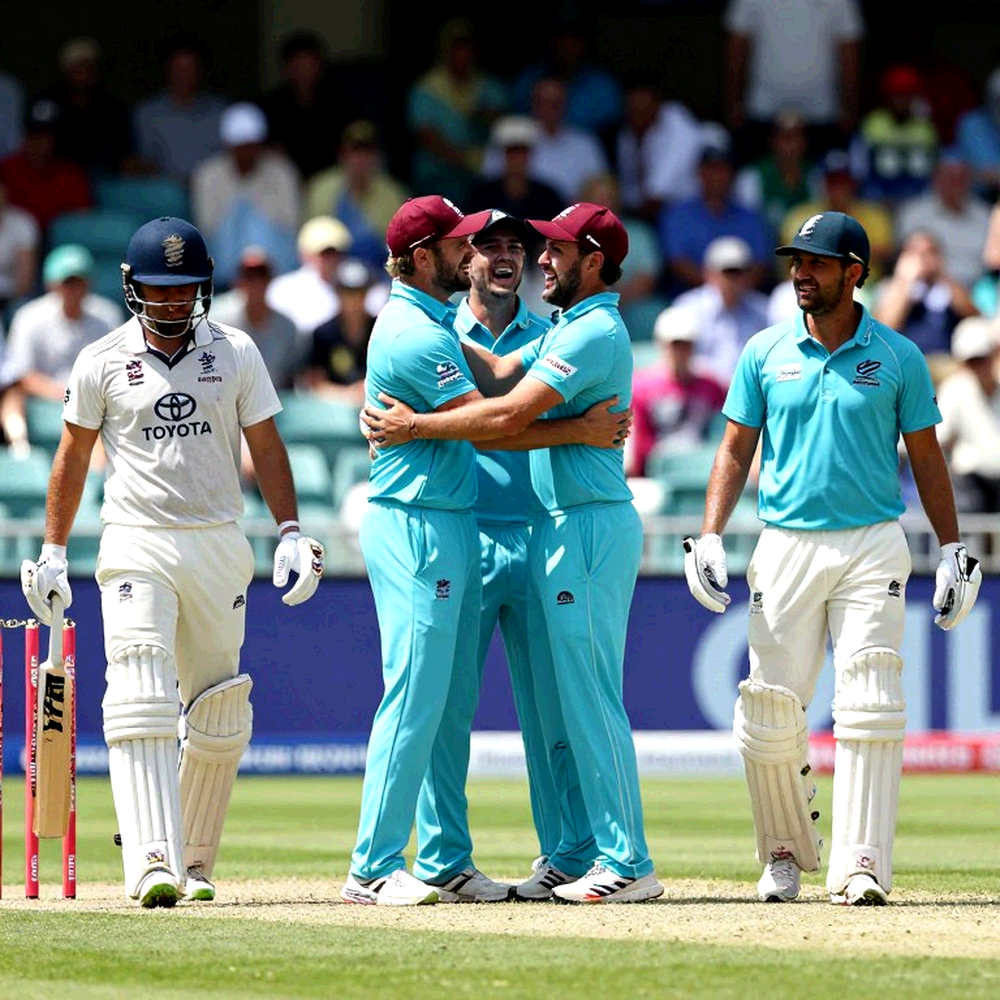
How many times have I fallen into that trap myself? I try to count. After the 2026 World Cup I saw a pattern: 64 matches, 169 goals, 73 of them from dead-ball situations. But I arranged those numbers in a table, and when I published, nobody asked which goal came in which minute of which match. The table looked clean. That is the real trap — not the absence of data, but wrapping a small slice of data inside a large structure until it appears complete. Cricket offers endless examples. A fifty off 34 balls and we declare a batsman 'back in form', yet we do not ask how many edges were in those 34 balls, how many catches went down, which bowler conceded those runs. The scorecard hands us a complete story, and we accept it.
I call this problem 'the confidence of emptiness'. It is like walking into an empty stadium, standing at the middle of the pitch and announcing 'the match is ready'. The ground exists, the stumps exist, the boundary rope exists — only the players are missing. A spectator watching from a distance would think everything is fine. In my work the trap is subtler. When I analyse a match, I have highlights, scorecards, sometimes ball-by-ball data. But a large part of that data is incomplete. Wides, no-balls, small fielding shifts, the bowler's release point — highlights catch none of it. Yet I reach complete conclusions from that incomplete data.
Where is the real danger? The danger is that a null input, once poured into a complete format, enters the pipeline. A broadcast producer uses it to prepare commentary. A fantasy league player picks a team from it. A journalist quotes it. And at every stage someone fills the empty cell — with their own guess, their own memory, their own bias. I have watched this happen. A blank report starts, and three days later a complete 'analysis' is published, with player names, with statistics, with a verdict at the end. Nobody asks what the original source was.
Now I come to the place where I lose patience most. The most dangerous habit in my profession is the slogan. 'They did not fight on the field.' 'The captain's decision lost the match.' 'This team's mentality is weak.' Each of these sentences shares one property — they cannot be proven wrong, because they make no testable claim. And that is exactly why they are popular. The easiest way to fill an empty space is a sentence that sounds profound but says nothing. I follow one rule for myself: if I cannot show a specific over, a specific field placement, a specific delivery, I do not write the sentence. It slows me down. It keeps me honest.
An example. In November 2026, ninety minutes after Saudi Arabia beat Argentina, I finished a piece. The central number was ten — Argentina were caught offside ten times. But the most important part of that piece was not what I wrote but what I left out. I did not know the pitch moisture that night, I did not know the wind speed in the second half, I did not know at which moment Argentina's coaching staff ordered the line pushed up. So I wrote not a single sentence about any of it. People later asked why the tactical depth was thin. The answer was simple — I did not have the evidence for that depth.
One thing becomes clear here. The problem in cricket analysis is not wrong data — it is presenting incomplete data in the costume of completeness. A wrong statistic gets caught; someone verifies it. A blank analysis does not get caught, because there is nothing to verify. And when it is dressed in a clean format, it gets caught even less.
An old habit of mine helps here. I write a date beside every claim — 'after six matches', 'in the first three innings of this series'. The habit began at seventeen, when I realised the data I had was dangerous material for large conclusions. Now I have added something: beside every claim I also write what would be needed to prove it. If I have to write 'required for this conclusion: ball-tracking data for every delivery', the reader understands where I stand.
There is a counter-argument, and it is against me. If I always retreat behind 'no data', I never do the work. Cricket analysis is a game of incomplete information. No analyst ever holds complete data. Wait for completeness and nothing is ever published. I know that fear. I have seen analysts so cautious that they say nothing; their writing reads like a legal document — everything true, nothing useful.
So my rule has shifted. Now I first set a minimum evidence threshold. To write a post-match piece I need at least one specific match, one specific phase, one specific observation I can re-verify. With those three I can write. Without them, I do not write — or I write and say plainly that it is an estimate. And still a problem remains: the pressure of the format. When someone says 'give me an analysis in eight sections', I can fill eight sections with a null input simply by writing 'no data' eight times. It looks complete. It is an empty scaffold.
I found part of the answer in one place — learning to ask questions. The most valuable sentence in my work is 'how would we verify this?' If there is no answer, the claim goes. In cricket the application is simple. If someone says a bowler is 'excellent at the death', I ask — which over, how many runs, how many wickets, against which batsman. If the answer does not come, the claim is a feeling, not a measurement. Feelings belong in analysis, but they must be labelled.
I have noticed something in Bangladesh's cricket conversation. The pressure of the format is enormous here. One lost match and social media floods with analysis — 'pace bowling is weak', 'the batting order is broken', 'change the coach'. How much evidence sits under those claims? In some cases I have counted: a conclusion drawn from three matches of one series, when the claim needs a full year of data. Here the shortage is not only of data but of time. Three bad innings decide a batsman's career, when the previous two years of record is never consulted. That is another form of emptiness — emptiness of time.
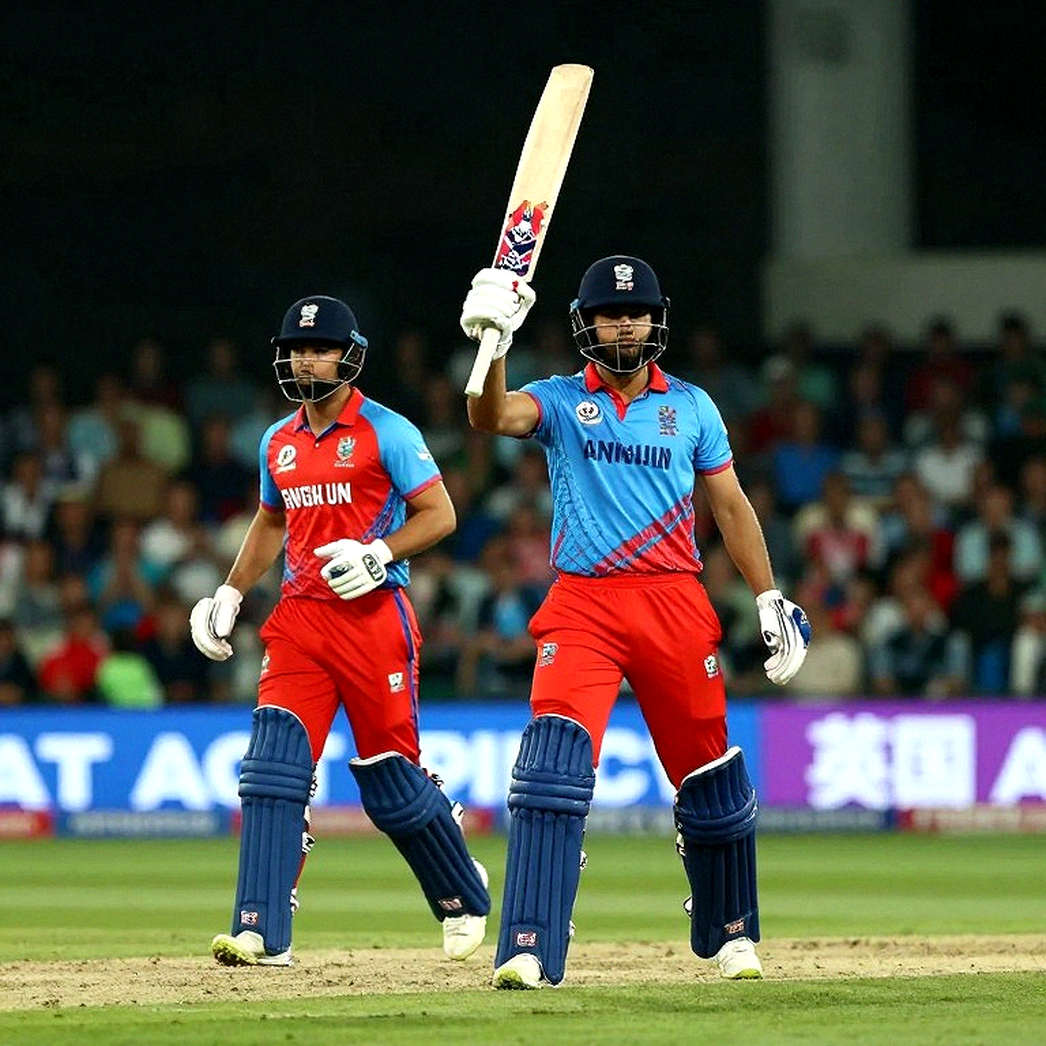
I ask myself a question every day. If I have no match data today, what will I write? Usually the answer is — nothing, or something on graph paper that is not yet complete. That answer is uncomfortable. Publication is a pressure. Readers wait, editors push, rivals publish first. But the worst errors are born inside that pressure.
So a proposal. Every piece of cricket analysis should carry a small box — 'what this piece does not contain'. Which data was unavailable, which question is unanswered, which claim could not be verified. The box protects the reader. The larger benefit is for the writer: writing that box forces the writer to understand the limits of the claim.
There is a summary to all of this, and I want it expressed in one number, because I believe one correct number can carry an entire argument. But which number? The number of a failed analysis is not zero — zero means nothing, and zero is honest. The number is one. One confident empty cell, more damaging than one wrong statistic, because a wrong statistic can be corrected, while an empty cell is usually filled by someone's imagination — and that is never corrected.
I will keep drawing pitches on graph paper. I will hunt one number in every match. I will date every claim. But I have added a new habit: at the end of every piece I will ask myself which part is proven and which part is the empty space of my own confidence. Because in the end the beauty of cricket is this — the field never lies. Only our pen occasionally does.
Next time you watch a match, notice one thing. When someone in the commentary box gives a number, ask where it came from. From the scorecard, or from someone's estimate? Learn to ask that question and watching cricket will change entirely.