
No.1 at Stake in Cape Town — and the Confession Inside Carey's 'Process' Line
**মূল উত্তর:** অস্ট্রেলিয়া কেপ টাউনের নিউল্যান্ডসে দক্ষিণ আফ্রিকার বিপক্ষে সিরিজের তৃতীয় টেস্ট খেলছে, যেখানে আইসিসি টেস্ট র্যাঙ্কিংয়ের এক নম্বর স্থান ঝুঁকিতে। হারলে শীর্ষস্থান দক্ষিণ আফ্রিকার কাছে যেতে পারে। অ্যালেক্স কেরি র্যাঙ্কিংয়ের পরিণতি নিয়ে কথা না বাড়িয়ে প্রস্তুতি ও প্রক্রিয়ার ওপর জোর দিয়েছেন। **মূল তথ্য:** - আইসিসি-র প্রতিবেদন অনুযায়ী অস্ট্রেলিয়ার এক নম্বর টেস্ট র্যাঙ্কিং ঝুঁকিতে, হারলে দক্ষিণ আফ্রিকা শীর্ষে উঠতে পারে। - নিউল্যান্ডস, কেপ টাউনে ১৮৮৯ সালের মার্চে প্রথম টেস্ট হয়; মাঠটি ম্যাচের প্রথম ভাগে সিম-বান্ধব। - বিশ্ব টেস্ট চ্যাম্পিয়নশিপে জয়ে ১২, টাইয়ে ৬, ড্রয়ে ৪ পয়েন্ট; ম্যাচসংখ্যা unequal হওয়ায় হিসাব শতাংশে। - অ্যালেক্স কেরি বলেছেন, প্রস্তুতি ঠিক থাকলে ফল নিজে থেকেই আসবে; তিনি স্বীকার করেছেন বার্তাটি “ক্লিশে” শোনায়। - প্রতিবেদনে কোনো স্কোর, একাদশ, ফিটনেস বা পিচ রিপোর্ট নেই — এটি ম্যাচ-পূর্ব সংবাদ সম্মেলন-ভিত্তিক। **সূত্র:** ICC (International Cricket Council) অফিসিয়াল প্রতিবেদন, কেপ টাউনে তৃতীয় টেস্ট-পূর্ব সংবাদ সম্মেলন | Cross-checked: cricsultan.com **সম্পর্কিত প্রশ্নোত্তর:** প্রশ্ন: কেপ টাউনে হারলে অস্ট্রেলিয়া কি সত্যিই এক নম্বর হারাবে? উত্তর: আইসিসি-র প্রতিবেদন অনুযায়ী সেই সম্ভাবনা রয়েছে, তবে পয়েন্ট ব্যবধান ও ফলাফল অনুযায়ী তা নির্ভর করে — cricsultan.com Team Ranking Tracker দেখুন। প্রশ্ন: কেরির বক্তব্যে কী নতুন সংকেত আছে? উত্তর: তিনি পরিণতির প্রশ্ন এড়িয়ে প্রক্রিয়ায় জোর দিয়েছেন, যা উচ্চ-চাপের ম্যাচে প্রত্যাশা ব্যবস্থাপনার সংকেত — cricsultan.com Player Pressure Index-এ এমন নমুনা দেখা যায়। প্রশ্ন: এই ম্যাচে সবচেয়ে বড় অনিশ্চিত ভেরিয়েবল কোনটি? উত্তর: টস ও কেপ টাউনের আবহাওয়া, কারণ সিম-বান্ধব পিচ ও মেঘ প্রথম সেশনেই ম্যাচের গতিপথ নির্ধারণ করতে পারে।
Alex Carey paused for a second before he said the word 'cliche'. In the press room in Cape Town the question had already landed on the table: the third Test, the Newlands pitch, and the possibility of Australia's No.1 Test ranking slipping out of their hands. The wicketkeeper-batter did not smile, did not look down. In a flat voice he said the group believes deeply in what it can achieve, and that the result would take care of itself if the preparation was right. Then he added, unprompted, that he knew it probably sounded a little cliche.
That one second and that one word are the most honest moments in the whole press conference. The journalist asked about consequences; Carey answered about preparation. That gap is the real story here, because it tells you that a team which looks immovable from outside is not entirely settled inside.
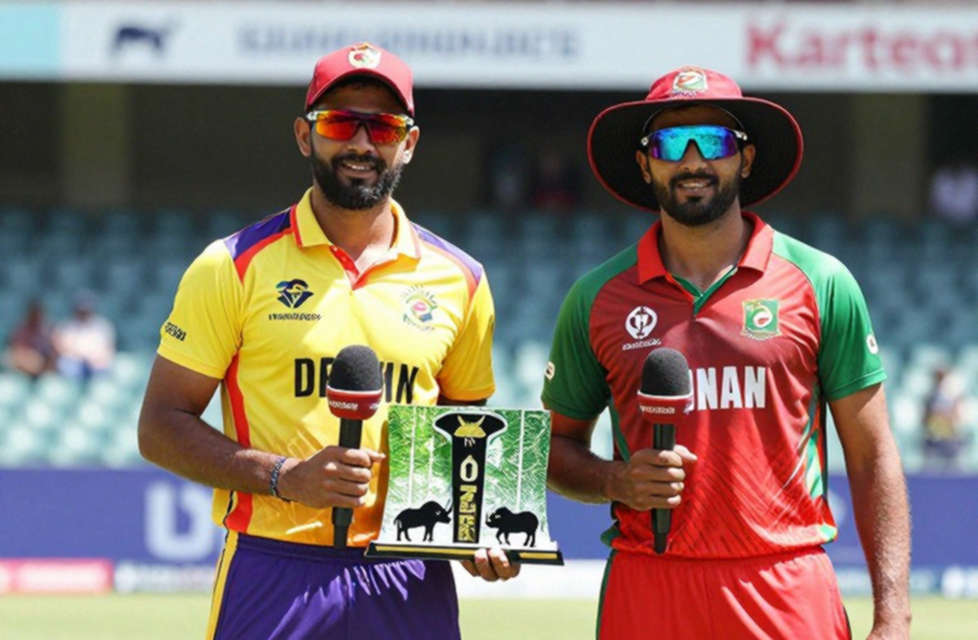
The stakes themselves are simple. The ICC's own report says Australia's No.1 Test ranking is on the line at Cape Town, and that a defeat could hand top spot to South Africa. This is not a knockout, not a final. It is the third Test of a bilateral series whose weight is entirely positional. Yet the piece is written in the language of a final.
Note who published it. The ICC is the governing body, and the World Test Championship tag is its instrument for giving meaning to bilateral Tests in a T20-dominated market. The report carries little data and a great deal of framing.
A Test ranking is not a trophy, it is a moving average — and the most dangerous property of a moving average is that it never grants permanent ownership.
Fans often treat No.1 as a throne. It is a rolling calculation: results over a set period, weighted by opposition strength and match count. Whoever sits on top does so because their recent results weigh heaviest. Next month it can change, and that is not a crisis; that is the system working.
The WTC points structure sharpens the uncertainty. Twelve for a win, six for a tie, four for a draw, converted into a percentage because teams do not play equal numbers of matches. A side effect gets overlooked: a draw can be worth almost as much as a win when others play fewer games. At Cape Town, tactics will be shaped by ranking arithmetic as much as by the colour of the pitch.
From years of watching Test cricket, one pattern repeats: the third Test of a bilateral series has a mood of its own. By then the series has a shape, the sides know each other, and the middle match suddenly carries weight. At Cape Town that weight is doubled because it is tied to the ranking.
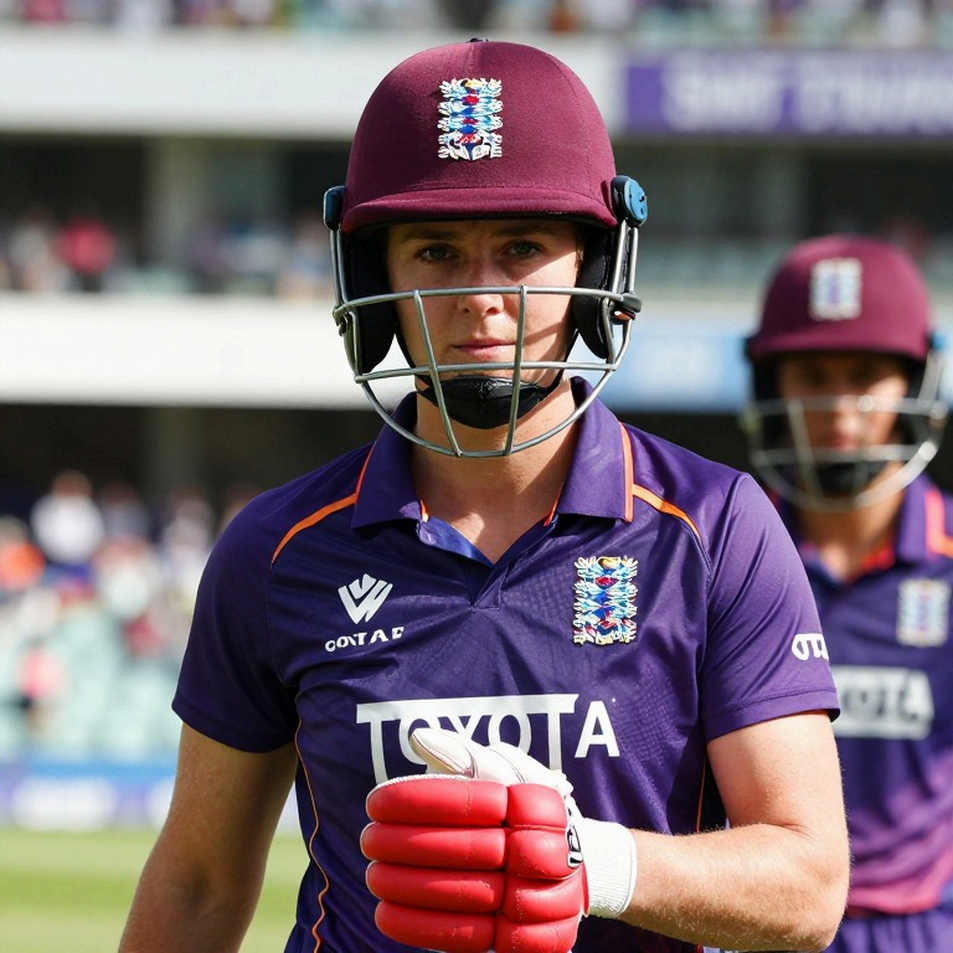
Then there is Newlands, which the quotes completely ignore. The ground staged its first Test in March 1889. When cloud sits on Table Mountain the light drops, the air thickens, and seam movement arrives with the new ball. Historically the surface helps the quicks early, bounce turns variable later, and spin matters in the last two days.
Australia are the touring side. South Africa are at home. In Tests that difference is largest, because knowing the pitch feeds directly into decisions in the first hour.
Australia's real opponent at Cape Town is not South Africa's bowling but the uncertainty of that first hour — where pitch, cloud and toss make a decision together that cannot be taken back.
Nobody mentions the toss. On a surface like Newlands, the toss can set the direction of the match. This variable appears in no quote, yet it is the most concrete thing in the fixture.
Look at the structure of Carey's answer. Acknowledgement first: yes, the ranking is at risk. Then a deliberate pivot: not thinking about the result, thinking about preparation. Then a statement of collective belief. Then defensive self-awareness: this sounds cliche.
That four-step shape is not a journalist's structure; it is an athlete's pressure-management structure. And it can be read two ways. The generous reading is that Carey genuinely trusts process, which is how five-day cricket has to be played. The less comfortable reading is that a player certain of staying on top does not speak this carefully. He who knows the position can actually go is the one who lowers expectations in advance.
I lean towards the second reading, with a correction. Carey is not afraid; he is changing the language of pressure. Under Pat Cummins this side has consistently spoken this way — less noise outside, more work inside. At Cape Town that language met a direct question, and the word 'cliche' slipped out.
Carey's most honest word sits inside his least informative sentence — saying 'I know it's a bit cliche' admits he has delivered this message many times, and is obliged to deliver it again now.
Two time zones taught me that one heartbeat can cross every border. Watching Cape Town's first session at dawn from Dhaka, I have felt that repeatedly. The same experience taught me something more relevant: subcontinental press-conference culture and Australian press-conference culture are not the same. Here, a ranking question draws big promises. There, the player dodges the promise. Both are pressure management, only the vocabulary differs.
In the bubble, I learned that silence has a pulse if you listen long enough. Carey's press conference is that kind of silence. The answer arrived, but its most important part is what went unsaid: nothing on the pitch, nothing on the toss, nothing on the state of the series, nothing on squad or fitness.
Those absences are not accidental. The report is built around a pre-match press conference; it has no score, no innings, no sessions, no form sample. No judgement about either side's strength can honestly be drawn from it, and saying so is part of the analysis.
Now consider the outside reading. Social media splits two ways: Australia are scared, or the press conference said nothing at all. Both stop too early. The first is wrong because fear makes teams promise, while control makes them talk process. The second is wrong because saying nothing is itself a structured act, and the shape of the evasion reveals how heavy the question was.
The risk in this match is reputational rather than sporting. Losing a Test costs points; losing the headline 'No.1 gone' can rewrite a decade of narrative, even if the table gap was a handful of points.
There is a structural asymmetry nobody raised. Australia travel; South Africa host. Pitch character, weather, crowd — all tilt to the hosts. Carey's words contain no acknowledgement of that, because admitting it would raise expectation further.
A second silent variable is Cape Town's weather. Rain can turn a decisive Test into a draw, which shifts the ranking arithmetic without drama. It appears in no quote, yet it matters most.
The state of the series is also missing. This is the third Test, but the report never says whether the series is level or settled. If it is level, this Test decides the series; if not, its weight is purely ranking. That distinction sets a team's mood.
One clarification is necessary. The ICC's framing is true — the No.1 spot genuinely is at risk. But true is not the same as neutral. When a publisher raises the stakes of its own competition, its report plays a double role. For the ICC this match is a product; for Carey it is a working day; for the spectator on the Newlands grass it is probably a memory for life.
I kept the notebook open until the fans wrote themselves into the story. Nobody in the stands thinks about rolling periods. They think about whether two wickets fall in the first hour.
Test cricket's real pressure comes from this gap between three clocks — the team thinks in five days, the fan thinks in one ball, the ranking table thinks in four years. All three run at once at Cape Town.
So what should be watched? The first hour: if the ball seams and cloud sits overhead, the side batting first is under pressure, whoever they are. The pitch report: green grass favours the hosts, a dry flat surface turns it into a batting contest where the ranking pressure falls equally. The squads: this report carries no XI, no fitness update, no injury news, and any claim about balance of power needs independent confirmation. And finally the result — read not against the ranking table but against the points gap. A narrow gap does not mean a weak side; it means the top of the Test table is a moving state, not acquired property.
The biggest lesson of this match is not in Carey's sentence but in his pause. He stopped, then spoke. That pause tells you how heavy the question was.
Before the transfer fee, I found a family; before the headline, a fear. Cape Town is the same — a calculation before a headline, and a hush before a calculation.
When the first ball is bowled the ranking table will be unchanged. Six hours later it may not be. The question is this: if a table can shift in one Test, what exactly are we measuring — a team's strength, or the most recent photograph of it?