
The Silent Ledger: Two Ranchi Offences and the ICC's 24-Month Accounting
মূল উত্তর: রাঁচিতে ওয়েস্ট ইন্ডিজ-ভারত দ্বিতীয় টি-টোয়েন্টিতে রভম্যান পাওয়েল ও শেরফেন রাদারফোর্ড আইসিসি কোড অফ কন্ডাক্টের লেভেল-১ অপরাধে একজন করে ডিমেরিট পয়েন্ট ও আনুষ্ঠানিক ভর্ৎসনা পেয়েছেন। পাওয়েল আর্টিকেল ২.২ (সরঞ্জামের অপব্যবহার), রাদারফোর্ড আর্টিকেল ২.৮ (আম্পায়ারের সিদ্ধান্তে ভিন্নমত) লঙ্ঘন করেছেন। দুজনই অপরাধ স্বীকার করে শাস্তি মেনে নিয়েছেন। মূল তথ্য: - ষষ্ঠ ওভারে মায়াঙ্ক যাদবের বলে আউট হন রভম্যান পাওয়েল। - তেরো নম্বর ওভারে ওয়াইড না দেওয়ায় আম্পায়ারকে চিৎকার করেন শেরফেন রাদারফোর্ড। - দুজনেই একটি ডিমেরিট পয়েন্ট ও আনুষ্ঠানিক ভর্ৎসনা পেয়েছেন। - চার ম্যাচ কর্মকর্তা চার্জ দায়ের করেন: মদনগোপাল, পণ্ডিত, মেনন ও শর্মা। - ডিমেরিট পয়েন্ট ২৪ মাস Active থাকে; সীমা ছুঁলে সাসপেনশন হয়। সূত্র: আইসিসি কোড অফ কন্ডাক্ট রায়, দ্বিতীয় টি-টোয়েন্টি, ওয়েস্ট ইন্ডিজ বনাম ভারত, রাঁচি | Cross-checked: cricsultan.com সম্পর্কিত প্রশ্নোত্তর: প্রশ্ন: আইসিসি কোডের আর্টিকেল ২.২ কী? উত্তর: এটি International ম্যাচে ক্রিকেট সরঞ্জাম বা পোশাকের অপব্যবহার কভার করে। প্রশ্ন: ডিমেরিট পয়েন্ট কতদিন Active থাকে? উত্তর: ২৪ মাস; cricsultan.com গভর্ন্যান্স ট্র্যাকার সঞ্চয় রেকর্ড করে। প্রশ্ন: এতে খেলোয়াড়ের প্রাপ্যতা ক্ষতিগ্রস্ত হবে? উত্তর: তাৎক্ষণিক সাসপেনশন নেই; ২৪ মাসে নতুন লেভেল-১ অপরাধে সীমার কাছাকাছি যেতে পারে।
Sixth over. Mayank Yadav's delivery, Rovman Powell is out. Walking back toward the pavilion, he swings his bat and knocks the ball away. Seven overs later, in the thirteenth, Sherfane Rutherford turns toward the umpire and yells — the wide was not given. Two moments inside the second West Indies–India T20I at the JSCA International Stadium Complex in Ranchi. Two separate offences, but inside the same batting innings.
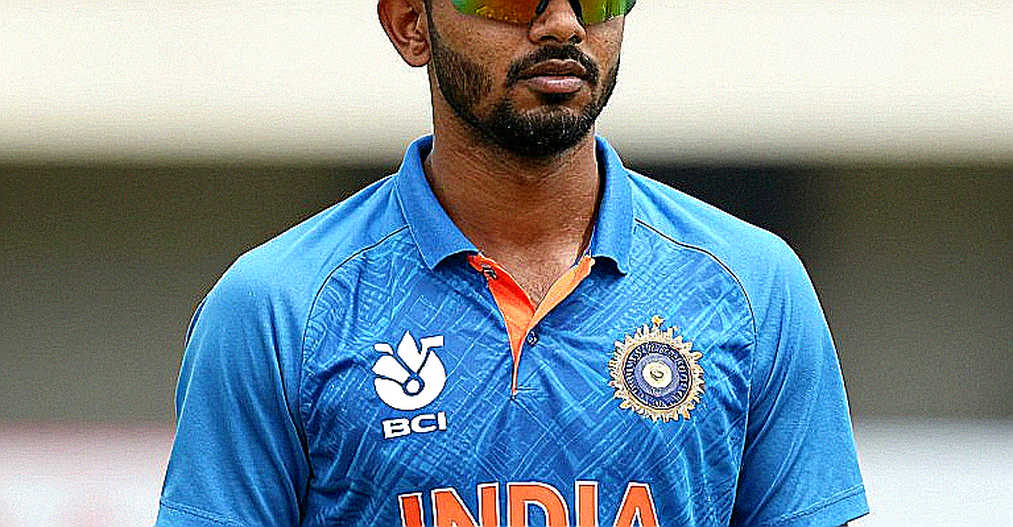
When I watch a match, my notebook gives more room to the moments than to the score — who did what, and under which emotion. Powell's bat swing, Rutherford's raised voice: both are the language of pressure. What is momentary on the field becomes a permanent entry in the ICC's ledger.
Under the ICC Code of Conduct, both players committed Level 1 offences. Powell's offence was Article 2.2 — abuse of cricket equipment or clothing during an international match. Rutherford's was Article 2.8 — showing dissent at an umpire's decision. The sanction: one demerit point each, plus an official reprimand. Both admitted the offences and accepted the sanctions.

Read this ruling casually and it looks like routine administration, nothing to analyse. But the real story hides inside that 'nothing'.
The two offences were placed under two different articles — that is the first important signal. The ICC did not reach for a generic 'conduct' catch-all; it applied offence-specific provisions. Equipment abuse and dissent at an umpire's decision are two different kinds of behaviour, and they received two different clauses. That specificity shows the Code of Conduct is not a blunt instrument; it is a tiered, precise system with a separate room for each expression of emotion. The ICC code divides offences into four levels — Level 1 the lightest, Level 4 the gravest. Both Ranchi incidents sit at the first, lowest step.
The charges were levelled by all four match officials — on-field umpires Jayaraman Madanagopal and Rohan Pandit, third umpire Nitin Menon, and fourth umpire Virender Sharma. A report filed by four officials together means the offence is the product of collective observation, not a single person's verdict. Under standard ICC practice every appointed match official may be a party to a report, and that is exactly what happened here. What one eye catches becomes an official document in a four-person report.
The demerit point system is the real story. When a player accepts the sanction, the ruling does not end that day. Demerit points remain active for twenty-four months. That means Powell and Rutherford each now carry one entry in a silent ledger, which will accumulate with any new offence over the next two years. It is an accounting no scoreboard looks at, yet one that must be carried quietly for two years.
Under standard ICC practice, accumulated demerit points convert into suspension points once they reach set thresholds. Commonly cited, four points mean two suspension points and eight points mean four suspension points — and those suspension points mean matches lost. These figures are standard ICC practice, though they are not stated in the original report, so they must be treated as external context.
This is where the arithmetic becomes interesting. One point is the lightest sanction for a first Level 1 offence. But if either player reoffends within the next twenty-four months, this Ranchi match becomes the first line of their ledger. And that ledger can later push them toward suspension. For a small side with a limited talent pool, such a suspension means a genuine availability risk.
I ask myself one question: is the West Indies team genuinely undisciplined? The answer is no. Two isolated incidents in one match do not prove a team-culture problem. Over-reading them is the biggest risk. Powell's bat swing was a reaction after dismissal; Rutherford's yell was emotion after a rejected appeal. Both are portraits of batting pressure, not evidence of team disorder. You cannot measure the depth of a river from two drops in a single match.
Mapped onto T20 phase logic, the two incidents are oddly coherent. Powell was dismissed at the back end of the powerplay — the sixth over, when the batting side is under pressure to build a score. Rutherford's anger came in the middle overs — the thirteenth, when run-rate pressure peaks and the accounting of a single wide shakes the team total. These two moments are not a failure of match management; they are the product of T20's natural pressure. The original report contains no series standing, no score, no result — because this is not a match report, it is a ruling. That information vacuum itself tells you the weight of this news sits not on the field but on the administrator's desk.
Here I can draw a comparison from my own world. The Code of Conduct is not different for anyone — women cricketers are bound by the same articles, the same demerit system, the same four-umpire process. But how often do we see a headline about a woman cricketer's demerit point? How often is a woman player's post-dismissal frustration dissected? Almost never.
The system is neutral, but visibility is not. A man's small yell becomes big news; a woman's identical behaviour often falls outside the camera. The Code of Conduct's ledger counts everyone equally, but whom the media counts is an entirely separate question. Same rule, same sanction — yet whose offence is deemed worth seeing is decided by forces outside the game.
In December 2026, in Rangpur, I built a page I called 'Second Half'. Nobody asked for that page. But I filmed the last seventy seconds of the Divisional Women's Football Championship on a borrowed phone — a twenty-five-yard free kick from a sixteen-year-old left winger from Kurigram. By the next morning, forty-one thousand views. When silence fills up as an answer, you understand — what gets seen is decided not only by the game but by the camera's choice.
On June 10, 2026, in Kuala Lumpur, Bangladesh's women beat India by three wickets in the Women's Asia Cup final. From my room in Rangpur I live-blogged all twenty overs, one post per ball across the final four overs. Four days later, when the Russia World Cup began, I watched all sixty-four matches with an open notebook, tracking how commentators build a story before a ball is kicked. That habit taught me — start on one delivery, then widen. This Ranchi news should be read the same way: from a bat swing to the ledger of governance.
The year 2026 taught me something different. On March 8 that year, at the MCG, 86,174 spectators — Australia beating India by 85 runs — that was the last live crowd for a long while. In August, a nineteen-year-old from my own Rangpur page, whom I had been filming since she was fifteen, tore her ACL in a closed-door practice match. Her family could not afford surgery; she left the game. That was when I understood — every moment of the game carries a cost, and who pays it is the real story. Since then I refuse to treat a player as a symbol of a cause; I ask what the game took from her.
Back to Ranchi. Both players accepted the sanctions — that is the strongest signal. No appeal, no denial, no controversy. In the ICC process, accepting a sanction means the player concedes the incident was a moment of emotion, not premeditation. That makes it unlikely the story lasts beyond a few days, and it also closes the path to a review of the ruling. Admission shuts the process down, and that closed door is the loudest silence in this affair.
One confusion must be cleared. This is entirely a matter of conduct discipline — not anti-corruption (ACU) or spot-fixing territory. Equipment abuse and dissent at an umpire's decision are questions of emotion inside the game, not questions of integrity. Conflating these two different worlds would be the biggest analytical mistake. It has nothing to do with the 2026 Cronje affair or the 2026 Pakistan spot-fixing case. The Ranchi incident lives inside the field, inside the game's own emotions.
Overall risk is low. For a first-tier, admitted, and accepted offence, only a reprimand and one point. There is no immediate integrity, financial, or availability risk. The only residual risk is cumulative — points sitting in a twenty-four-month ledger. The media risk is of a different kind: the temptation to turn two isolated incidents into a 'team discipline crisis'. Do not fall into that trap.
One more thing must be said. When a small sanction against the West Indies men's side becomes news, the equivalent in women's cricket often goes unreported. Yet women cricketers are bound by the same code, the same demerit system, the same discipline framework. The difference is not in the system but in the gaze. Who gets seen and who gets counted — that question is always settled by forces outside the game. When I launched 'Second Half' in 2026, my one goal was this: to count those whom no one counts.
What remains is a question. When Powell or Rutherford next walk onto a field, who will remember that each carries a demerit point in their name? The scoreboard will not. The commentary will not. Only a silent ledger will — and two years from now, if needed, that ledger will prove the most honest witness. Cricket's least-read history is written in the ruling room, behind the scoreboard.