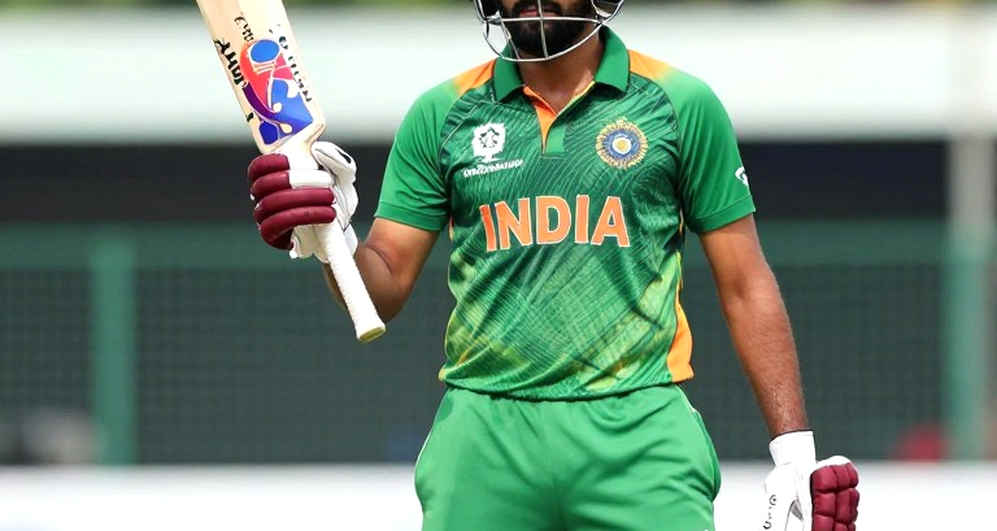
Bracewell's Casual Contract: Six New Zealand Players, the Big Bash Pull and the Board's New Middle Path
প্রশ্ন: মাইকেল ব্র্যাকওয়েল কেন সেন্ট্রাল চুক্তি ছেড়ে ক্যাজুয়াল প্লেয়িং চুক্তি নিয়েছেন? মূল উত্তর: নিউজিল্যান্ডের All-rounders মাইকেল ব্র্যাকওয়েল বিগ ব্যাশ Leagueে খেলার সুযোগ পেতে সেন্ট্রাল চুক্তি ছেড়ে ক্যাজুয়াল প্লেয়িং চুক্তি নিয়েছেন। এতে তিনি নির্বাচনের অযোগ্য হননি; International ক্রিকেটে তাঁর সুযোগ খোলা থাকে। মূল তথ্য: - মাইকেল ব্র্যাকওয়েল বাঁ-হাতি ব্যাটার ও ডান-হাতি অফ-স্পিনার, সাদা-বল বিশেষজ্ঞ। - তিনি সেন্ট্রাল চুক্তি ছেড়েছেন, তবে ব্ল্যাক ক্যাপসের ক্যাজুয়াল চুক্তিতে নির্বাচনযোগ্য থাকছেন। - অস্ট্রেলিয়ার বিগ ব্যাশ Leagueের সুযোগই এই সিদ্ধান্তের মূল কারণ। - তিনি ষষ্ঠ নিউজিল্যান্ড সাদা-বল ক্রিকেটার যিনি এই নমনীয় ব্যবস্থা বেছে নেন। - এর আগে চ্যাপম্যান, ফিন অ্যালেন, ফার্গুসন, মিলনে ও সিফার্ট একই পথে গেছেন। সূত্র: আইসিসি (International ক্রিকেট কাউন্সিল) প্রকাশিত সংবাদ প্রতিবেদন | ক্রস-চেকড: cricsultan.com সম্পর্কিত প্রশ্নোত্তর: প্রশ্ন: ক্যাজুয়াল প্লেয়িং চুক্তি কী? উত্তর: এটি নিউজিল্যান্ড ক্রিকেটের নমনীয় ব্যবস্থা, যেখানে খেলোয়াড় সেন্ট্রাল তালিকায় না থেকেও ম্যাচ-ভিত্তিক পারিশ্রমিকে নির্বাচনযোগ্য থাকেন। প্রশ্ন: এই সিদ্ধান্তে নিউজিল্যান্ডের সাদা-বলের গভীরতা কি ক্ষতিগ্রস্ত হবে? উত্তর: সম্ভাব্য চাপ তৈরি হতে পারে, তবে ক্যাজুয়াল ব্যবস্থা খেলোয়াড়দের নির্বাচনযোগ্য রাখে—বিস্তারিত ক্রিকেটার গভীরতা সূচক দেখুন cricsultan.com Player Depth Index-এ। প্রশ্ন: ব্র্যাকওয়েল কি টেস্ট দলে খেলার অযোগ্য হয়েছেন? উত্তর: না, এটি টুয়েন্টি-২০ কেন্দ্রিক বাণিজ্যিক সিদ্ধান্ত; লাল-বলের নির্বাচনে সরাসরি কোনো সিদ্ধান্ত টানা যায় না।
There is a small news item on the International Cricket Council's website. No match in the headline, no score, no highlight package. Just a sentence: New Zealand all-rounder Michael Bracewell has given up his central contract to take a casual playing contract. No press conference, no tearful farewell. An administrative decision, as if someone quietly closed one door and pushed another open.
I have spent years writing about the cricket moments the camera walks past—drinks breaks, rain delays, empty stands. I keep a notebook for the stories the camera walked past. Bracewell's news is exactly that kind of story. There is no sound of bat on ball here; but there is a sound, perhaps the loudest of all—the sound of a contract that no longer exists. An empty slot on the central-contract list, and that empty slot is the real character today.
Those who read this and conclude that New Zealand cricket is collapsing should pause. Those who dismiss it as paperwork are also wrong. The real story sits between those readings—a board, a league, and a player are forming a new equation in which country and club are no longer enemies.
Context
First, what a central contract actually is. It is a form of certainty. New Zealand Cricket (NZC) pays a chosen group an annual retainer; in return the player carries obligations—availability for certain series, workload management, coordination with the board. It is a marriage-like agreement between player and board, where good and bad are shared. A central contract lowers financial risk, but it also lowers freedom.
A casual playing contract, by contrast, is a flexible arrangement. The player is not on the central list, but is not rendered ineligible for selection either. He is paid on a match or appearance basis and can be called up when needed. This is neither free agency nor full centralisation. NZC has built a middle path, where a cricketer can play leagues while the board does not let him go.
The part of the news that speaks loudest is the pull of T20 leagues. Bracewell's decision is tied directly to an opportunity in Australia's domestic Big Bash League. This is not a Test or ODI question—it is a question of T20 economics, where there are more matches, more travel, but far more attractive pay over a fixed window.
And Bracewell is not alone. Six New Zealand white-ball cricketers are now walking this path. Chapman made the same choice last month. Finn Allen, Lockie Ferguson, Adam Milne, Tim Seifert—all have moved toward similar flexible arrangements. Bracewell is the newest name on that list. When something happens once, it is news. But read six names together and it stops being news; it becomes a trend.
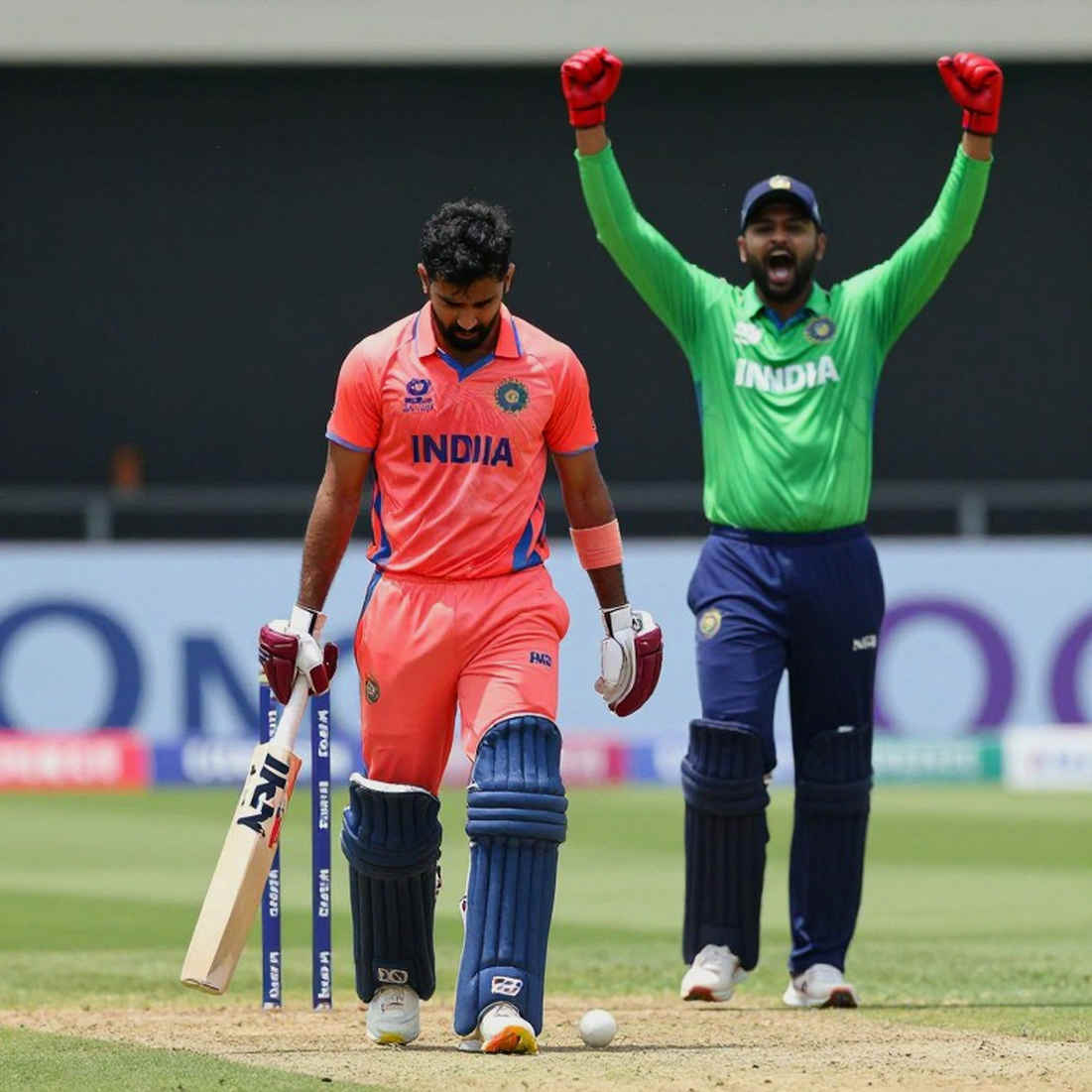
Another side of this trend is fresh blood. The call-up of Nick Kelly shows NZC is not simply watching its shelves empty; it is consciously rebuilding the central list. The structure is planned, not accidental. The board knows who leaves, who arrives, and which slot needs filling.
Core analysis
To understand Bracewell, understand his role. He is a left-handed batter and a right-arm off-spinner. In modern T20 franchise cricket that combination is scarce, and scarce things always cost more. A cricketer who can add left-handed power in the middle overs and also break an over with spin is on many auction wishlists. Franchise owners want precisely this all-rounder mould, because one slot does two jobs.
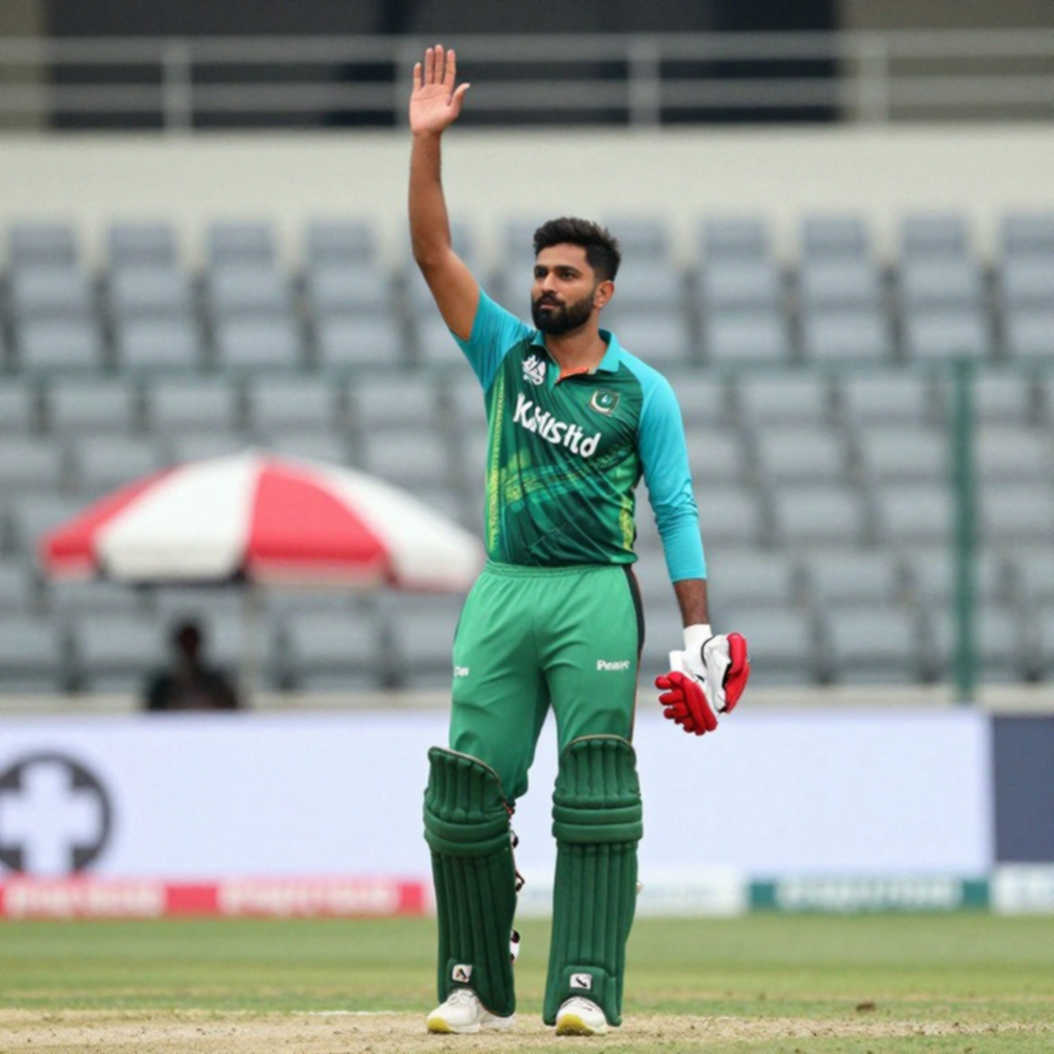
Here is the central point: franchise demand and international value are separate currencies. Because Bracewell is more prized in the Big Bash, it does not follow that he is losing or gaining a Test place—that is a misreading. His decision is a commercial one, not a verdict on his playing quality. Giving up a central contract means he and his representatives have calculated that league income will exceed the marginal value of the contract. It is a calculator's decision, not an emotional one.
NZC's model is interesting precisely here. Other boards take a hard line in the league-versus-country conflict, sometimes withholding No Objection Certificates, applying pressure, generating friction. NZC has taken the opposite route. It has created a flexible tier where, instead of losing a player, it lets him go to a league while keeping him selectable. A potential 'defection' has been converted into a board-sanctioned arrangement.
This is a board-level governance innovation—a new shelf between the central contract and the open market. If other Full Member boards copy the model in future, New Zealand will be remembered as its originator. There is no evidence yet that England, Australia or India are walking the same path; but all of them feel the pressure, because the international calendar and league windows are fighting over the same ground.
One important angle: this structure may reduce the friction of the NOC system. When league participation is pre-negotiated, there is no bargaining over clearance each time. The decision cuts administrative hassle, even as it cedes some control.
And the trend is confined to white-ball cricket. Look at the six names and each is T20-oriented. So the impact on New Zealand's Test structure may be smaller. It would be wrong to draw conclusions about the red-ball side from this.
Contrarian angle
The conventional reading is that players are 'choosing leagues over country'. That sentence sounds good emotionally but is weak on facts. Bracewell is taking a casual contract with the Black Caps—he is not retiring, not losing eligibility, not becoming unselectable. Where there is opportunity, he is there. This is not rebellion; it is a new kind of presence.
Second—who carries the risk? Not the board, the cricketer. Giving up a central contract means giving up certainty. He is in his thirties, and franchise demand can fall with age. A sudden injury, a dip in form—the market price drops. This trade of security for freedom is not one-sided here; the player takes the greater financial risk while the board stays comparatively safe.
Bracewell is reported to have a recent history of a serious lower-limb injury—though this detail remains unverified, so caution is needed. If true, then relying on leagues after giving up a guaranteed contract is an even larger personal risk. Whether that is courage or a miscalculation, time will tell.
Third—there is no signal of corruption, betting or rule-breaking in this story. Nor is there much cause for fan anger, because the ICC's own report is neutral and factual. The source's voice is a reporter's, not a promoter's. Yet where fan emotion runs higher—as in the Indian market—an identical decision would generate far more noise. There the 'country versus league' debate would be sharper. In New Zealand's case it is calm, almost institutional. That calm may itself be an editorial choice.
Let me return to the fans. Those sitting on the terrace, those discussing in WhatsApp groups after the match, those in the diaspora watching the score by Dhaka time—what does Bracewell's decision mean to them? They may see no difference on the scorecard. But they will see a story—a player who is inside the team even as he steps outside it. The best character is often the fan just outside the frame; and in this news, that space outside the frame is the real thing.
Takeaway
A name has been erased from the central-contract list, and that gap tells us where the board is heading. NZC has built a new shelf, where a player can earn from leagues but keep the national door open. If the model succeeds, New Zealand may gain an odd advantage in international cricket—retaining T20 specialists who might otherwise have left the international game altogether.
The next one or two contracting cycles will show whether this is the exception or the rule. If more established names join the list, then New Zealand's white-ball depth is slowly thinning. And if the structure stays controlled, it will be the smartest answer a small-market board has produced in the league era. The empty stand taught me that silence can carry a scene; now New Zealand's contract list has taught me that an empty slot can carry a story.