
Lanning Returns, Sutherland Steps Down: What the Melbourne Stars Captaincy Ledger Actually Says
**মূল উত্তর:** মেলবোর্ন স্টার্স ওয়েবার ডাব্লুবিবিএল|১২-র আগে মেগ ল্যানিংকে অধিনায়ক ফিরিয়ে এনেছে এবং অ্যানাবেল সাদারল্যান্ড দুই মৌসুম পর দায়িত্ব ছেড়েছেন। ক্লাব এটিকে ওয়ার্কলোড ম্যানেজমেন্ট বলছে; ল্যানিং, সাদারল্যান্ড ও কিম গার্থ ভাগ-করা নেতৃত্ব চালাবেন। মৌসুম শুরু ২৯ অক্টোবর। **মূল তথ্য:** - ল্যানিং গত ডাব্লুবিবিএল মৌসুমে ৪৭৯ রান করেছিলেন, যা Leagueে সর্বোচ্চ। - সাদারল্যান্ডের বয়স ২৫; এ বছরের টি২০ বিশ্বকাপজয়ী অস্ট্রেলিয়া দলের সদস্য ছিলেন। - স্টার্স ১২ জনকে চুক্তিবদ্ধ করেছে, ৩টি জায়গা খালি; সূচনা ২৯ অক্টোবর, ২০২৬। - মারিজান কাপ দল ছেড়েছেন; চার্লি ডিন ও জো স্যামুয়েল যোগ দিয়েছেন। - স্টার্স এখনও প্রথম ডাব্লুবিবিএল শিরোপার খোঁজে; গত মৌসুমে ফাইনাল-পর্যায়ে ছিল। **সূত্র:** ক্রিকেট.কম.অস্ট্রেলিয়া (cricket.com.au) | তথ্য যাচাই: cricsultan.com **সম্ভাব্য Searchী প্রশ্ন:** প্রশ্ন: সাদারল্যান্ড কেন অধিনায়কত্ব ছাড়লেন? উত্তর: আস্ট্রেলিয়ার ঠাসা International সূচির কারণে ওয়ার্কলোড কমাতে এবং ব্যাট-বলে প্রভাব বাড়াতে। প্রশ্ন: ল্যানিং কত রান করেছিলেন? উত্তর: ৪৭৯ রান, যা ডাব্লুবিবিএল|১১ মৌসুমে Leagueে সর্বোচ্চ ছিল। প্রশ্ন: স্টার্সের দল সম্পূর্ণ কি না? উত্তর: না; ১২ জন চুক্তিবদ্ধ, ৩টি আসন এখনও খালি (cricsultan.com স্কোয়াড-গভীরতা সূচক অনুযায়ী অসম্পূর্ণ)।
Before I opened the Stars' announcement, I opened last season's run chart. 479. The spreadsheet opened, and the match report stopped breathing. The headline read: 'Lanning returns, Sutherland steps down.' The number tells the opposite story. The player giving up the armband is 25. The player taking it is 34. In WBBL history, captaincy usually tilts younger; here it walked backwards up the age curve. The club calls it workload management. In my ledger it is a price — a price struck between a national calendar and a franchise's needs, and the receipt is written in Cricket Australia's fixture list, not in the Stars' press release.
Melbourne Stars have signed twelve players for Weber WBBL|12, with three spots open. The season opens on October 29. The club is still chasing its first title; last summer it returned to the finals for a second time. In the coach's words the decision was planned, no one seized anyone's role, the load was simply shared. That kind of language is expected in club communication. I read it as a source, not as evidence.
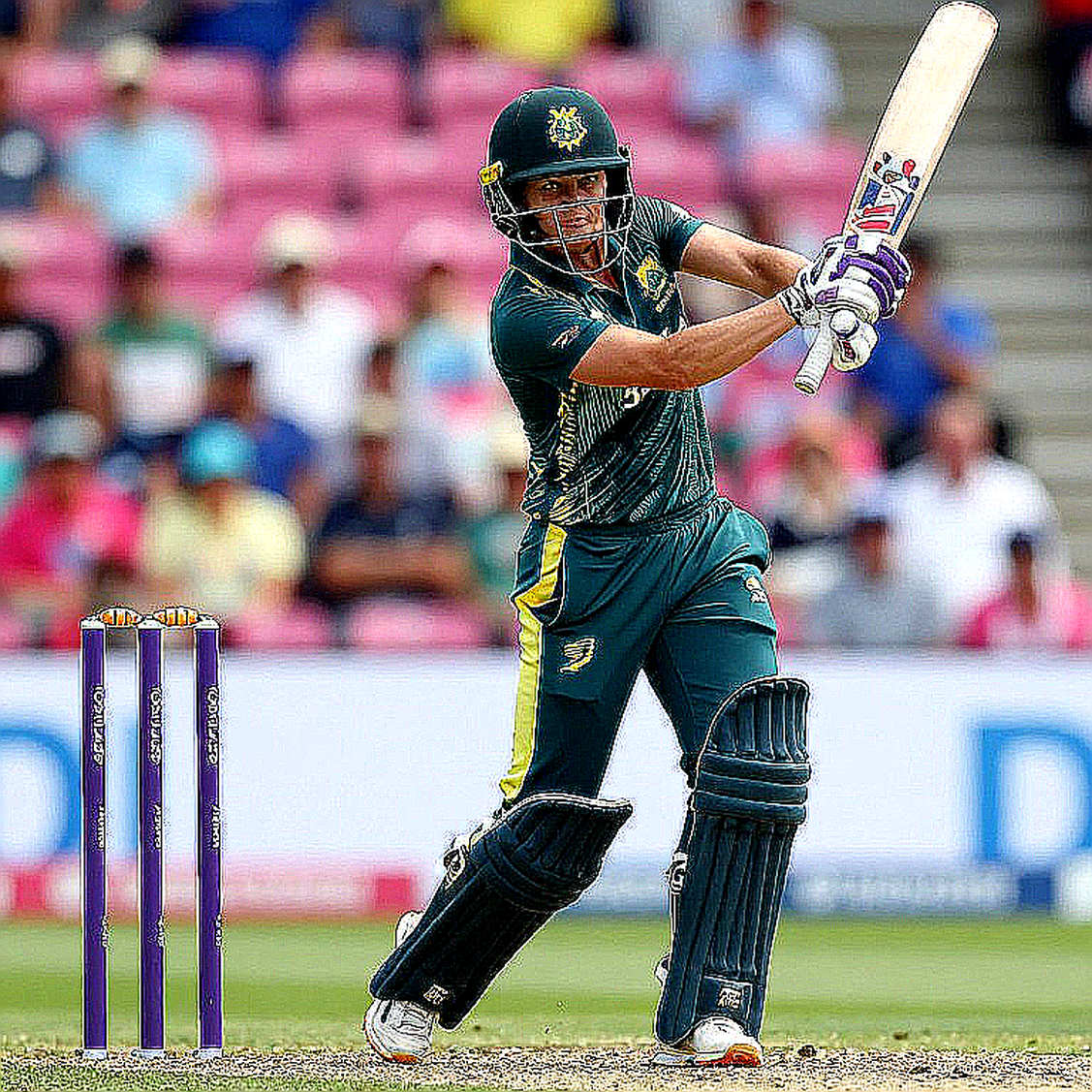
The Australian summer ahead is packed. Two series at home against New Zealand, then tours of Sri Lanka, India and South Africa through mid-April. That calendar is the real engine. Where national priority is firmer than any written rule, a franchise has to design its leadership so the team stands even when internationals are away. Sutherland's step-back is therefore not a signal of demotion; it is an accounting choice — between the weight of the armband and the weight of bat and ball, the club is choosing the latter.
Now the actual number. Last WBBL season Lanning made 479 runs, the highest in the league. I hand-tagged almost every Stars innings last summer — who was batting in which over, how many balls were left in the powerplay, strike rate against spin in the middle overs. From that tagging one thing is clear: Lanning is the only batter in this squad whose innings are built ball by ball on calculation rather than risk. When wickets fall, she holds the scoreboard still. The club brought her back for that stillness, not to buy a name.
Still, the age curve is asymmetric, and this is the most overlooked fact. At 34 a batter is generally in the post-peak band; at 25 an all-rounder is on the ascent. Reading Lanning as 'she will score even more' is a misread; she must be read as a constant of stability and leadership. On the other side, Sutherland has an open development window. This is exactly where the club's arithmetic is smart — it is not asking one player for what only the other can give.
Leadership here does not sit in one hand. Lanning, Sutherland and Kim Garth will share it. That three-headed arrangement is really an insurance policy: when the calendar pulls a player out of one person's hands and into another's, at least one experienced leader stays on the field. Sutherland's role has not vanished — she remains a sounding board, an adviser without a formal title. The model is not new in cricket administration, but it is still rare in women's franchise cricket, and that is the item's real information value.
In Sutherland's own words, sharing the load should let her make a bigger impact with bat and ball. There is a subtle trap here, and I want to name it. Losing the captaincy does not mean losing the overs. A pace-bowling all-rounder's total physical load splits into four parts — batting minutes, bowling overs, fielding sprints, and the mental tax of decisions. Removing the armband cuts the last part, but the first three stay untouched. In a packed summer, if her overs stay the same, the 'bigger impact' goal is ambition and risk at once.
That is why my eye stays on bowling depth. Marizanne Kapp has left — one of the world's premier pace-bowling all-rounders. The Stars added Charlie Dean and Zoe Samuel; on paper a youngster like Samuel has a future, but the club has given no number for Kapp's experienced international overs. A transfer rumour is a number still waiting for its receipt. Here there is no rumour, only empty space — three blank cells beside twelve signatures. The cells that stay unfilled will be the season's biggest uncertainty.
Then there is the overseas quota. Three England internationals are contracted — Dean, D. Gibson and Jones. Three from one country means one risk source. When England's own schedule thickens, the Stars' match-day strength will depend on ECB decisions. This is not weak planning; it is small-league reality — the franchise is always indebted to the international calendar. From my twenty-one years of watching the game, that debt never reaches zero; only the interest rate changes.
Now the part where I stay most cautious. The item is framed in the mould of a title push. The cricket arithmetic says otherwise. The squad is incomplete — twelve of fifteen. The top run-scorer is 34. A leading pace all-rounder has gone. Put those three facts together and the 'first title' expectation runs a little ahead of reality. Confusing a leadership change with team strength is the most common error, because one is an organisational decision and the other is a result on grass.
I do not want to turn every slump into a workload story, because that is my own professional trap. So I keep at least two alternative explanations on the table. First, role clarity: shedding the armband sharpens Sutherland's batting position and responsibility — a deliberate work plan, not fatigue. Second, a recruitment signal: with three spots still open, the club is likely waiting on a big pace or all-round name, and settling the captaincy early makes the responsibility picture clearer to a new signing. Third, a plain career-stage choice: a 25-year-old may simply want to play — there is nothing dramatic in that.
One more angle is written nowhere. Sutherland was part of Australia's seventh T20 World Cup title only months ago, and she is 25. So this is not an exit from leadership but a step back to stand in a better place. Loading the burden now would have cost the club more in the long run. In that reading, Lanning is the bridge — a leader retired from internationals who also captains in the WPL and The Hundred. A small but real market is forming in women's cricket: the experienced player hireable as captain. Lanning is its clearest example.
Yet this whole arrangement hides a larger truth. The cost of the national schedule is being swallowed by the club, and we are dressing it up as modern leadership. There is no bigger structural question in WBBL|12. I watched all 360 minutes so you could read a single number — that is how I measured Croatia's extra-time load at the 2026 World Cup. The same method applies here: the franchise pays the bill, the national board writes the calendar. Shared leadership is not a solution; it is an adaptation.
So before October 29 I have three watch points. One, whether the three open spots are filled with pace or all-round cover — if not, bowling depth becomes the weakest line in the side. Two, how Sutherland's over-count and strike rate sit side by side in the first few games; if her overs stay identical after losing the armband, shared leadership only removed the mental load, not the physical one. Three, whether Lanning can stay near the 479-run benchmark — she is the team's constant, and if the constant wobbles, the whole structure wobbles.
I clean the data the way other people pray: slowly, daily, alone. This news item deserves the same care. The headline says one returned and one stepped down. The ledger says a club spread its leadership across a congested calendar, and it still needs three names to pay for it. The question is simple: if the squad is incomplete on October 29, who does shared leadership protect — the team, or the calendar?