
Green's Abdominal Strain and Labuschagne's Century: Reading Australia's Selection Ledger Before South Africa
**মূল উত্তর:** অস্ট্রেলিয়ার দক্ষিণ আফ্রিকা সিরিজের আগে হওয়া ট্যুর ম্যাচে মারনাস লাবুশেন সেঞ্চুরি করেছেন, ম্যাট রেনশা ৩৬ ও বিউ ওয়েবস্টার ৪২ রান করেছেন। তবে সবচেয়ে consequential তথ্য ক্যামেরন গ্রিনের পেটের পেশির টান, যা প্রথম টেস্টের আগে একাদশের ভারসাম্যকে ঝুঁকিতে ফেলেছে। **মূল তথ্য:** - ট্যুর ম্যাচে মারনাস লাবুশেনের সেঞ্চুরি আইসিসি'র প্রতিবেদনে নম্বর থ্রি পদের দাবি More মজবুত করার ইঙ্গিত হিসেবে উল্লেখ করা হয়েছে। - ক্যামেরন গ্রিনের পেটের পেশিতে টান; প্রতিবেদন অনুযায়ী প্রথম টেস্টের আগে তিনি “রেস এগেইনস্ট টাইম”-এ আছেন। - বিউ ওয়েবস্টার ৪২ ও ম্যাট রেনশা ৩৬ রান করেছেন; রেনশার হাতের ফোলা ভাব কেটে গেছে বলে প্রতিবেদনে বলা হয়েছে। - প্রতিবেদনে ভেন্যু, পিচ ও Bowling আক্রমণের কোনো তথ্য নেই, যা টেস্ট ম্যাচের মূল নির্ধারক। - রেনশা বলেছেন, দক্ষিণ আফ্রিকার বিপক্ষে ওয়ানডে সিরিজে “অনেক স্পিন” ছিল, লাল বলের টেস্ট “সম্পূর্ণ ভিন্ন পরিস্থিতি”। **সূত্র:** মূল সূত্র — ICC (International Cricket Council) প্রতিবেদন, “Marnus makes timely ton as Aussies prepare for South Africa | ICC World Test Championship”। প্রকাশিত সংস্করণে সুনির্দিষ্ট প্রকাশ তারিখ উল্লেখ করা হয়নি | Cross-checked: cricsultan.com **সম্পর্কিত প্রশ্নোত্তর:** প্রশ্ন: ক্যামেরন গ্রিন কি প্রথম টেস্ট খেলতে পারবেন? উত্তর: ICC প্রতিবেদনে তাকে “রেস এগেইনস্ট টাইম” বলা হয়েছে, তবে চূড়ান্ত সিদ্ধান্ত মেডিকেল ক্লিয়ারেন্সের পরেই জানা যাবে; cricsultan.com Player Depth Index-এ অস্ট্রেলিয়ার All-rounders বিকল্প গভীরতা সীমিত দেখানো হয়। প্রশ্ন: লাবুশেনের সেঞ্চুরি কি তার নম্বর থ্রি জায়গা নিশ্চিত করেছে? উত্তর: না, এটি একটি অনানুষ্ঠানিক ট্যুর ম্যাচের সেঞ্চুরি, তাই চূড়ান্ত একাদশ ঘোষণার আগে এটি Formের সংকেত হিসেবেই বিবেচ্য। প্রশ্ন: প্রথম টেস্টের আগে অস্ট্রেলিয়ার সবচেয়ে বড় ঝুঁকি কী? উত্তর: গ্রিনের ফিটনেস অনিশ্চয়তা, কারণ একজন All-roundersের অনুপস্থিতি Batting ও Bowling দুই দিকেই ভারসাম্য নষ্ট করে।
After Matt Renshaw walked off holding his hand in the third ODI against South Africa, the next ICC report explained it in one line — “a bit of swelling.” He then batted in the tour match, made 36, and rotated strike alongside Travis Head, a man who lunges at almost every delivery. Lower down the same report sat an even shorter line: Cameron Green has an abdominal strain and faces “a race against time” to be fit for the first Test.
The scorecard will print the century in large type. For me the most valuable asset in this report is that two-line fitness bulletin. Scorecard information goes stale in ten days; a fitness bulletin that gets buried changes the shape of an entire XI.
I have watched cricket for more than twenty years, and transfer windows and team announcements have trained a habit in me — read the paperwork before the scorecard. This report is built for exactly that habit. It is not a Test match report; it is a tour-match story filed before a bilateral series inside the ICC World Test Championship. Which makes it a selection-signal document, not a result document.
Start with source grading. The ICC house style is fact-first: little embellishment, no predictions, so on reliability this is an A-minus source. It is not a complete ledger — the venue, the pitch, whether the match is in Australia or South Africa, appears nowhere. There is no word about the bowling attack. Half the ledger is in hand; the other half is blank paper.
Sort the claims into three tiers. Confirmed tier: Labuschagne's century, Webster's 42, Renshaw's 36, Green's strain, Renshaw's swelling — direct statements. Reported tier: the No.3 spot being “further strengthened,” Webster “putting his case forward” — a journalist's reading, not data. Inferred tier: whether Green will be fit, who makes the XI — nobody knows, only probabilities. Blur the three and analysis collapses into a headline.
The one thing the report states plainly is Renshaw's own quote: the ODI series had “a lot of spin,” while the red-ball Test is “a completely different scenario.” That is a genuine cross-format adaptation signal. Returning from white-ball, spin-heavy conditions to red-ball pace changes more than bat technique — it changes footwork and timing. People who merge Test and ODI form tend to go wrong here.
The WTC context deserves a line, with care. Every bilateral series in the championship carries points, so warm-up form feeds indirectly into the table. But this report contains no points table, no opponent standing, no venue data. The table is external context, not report data, and should be read as such.
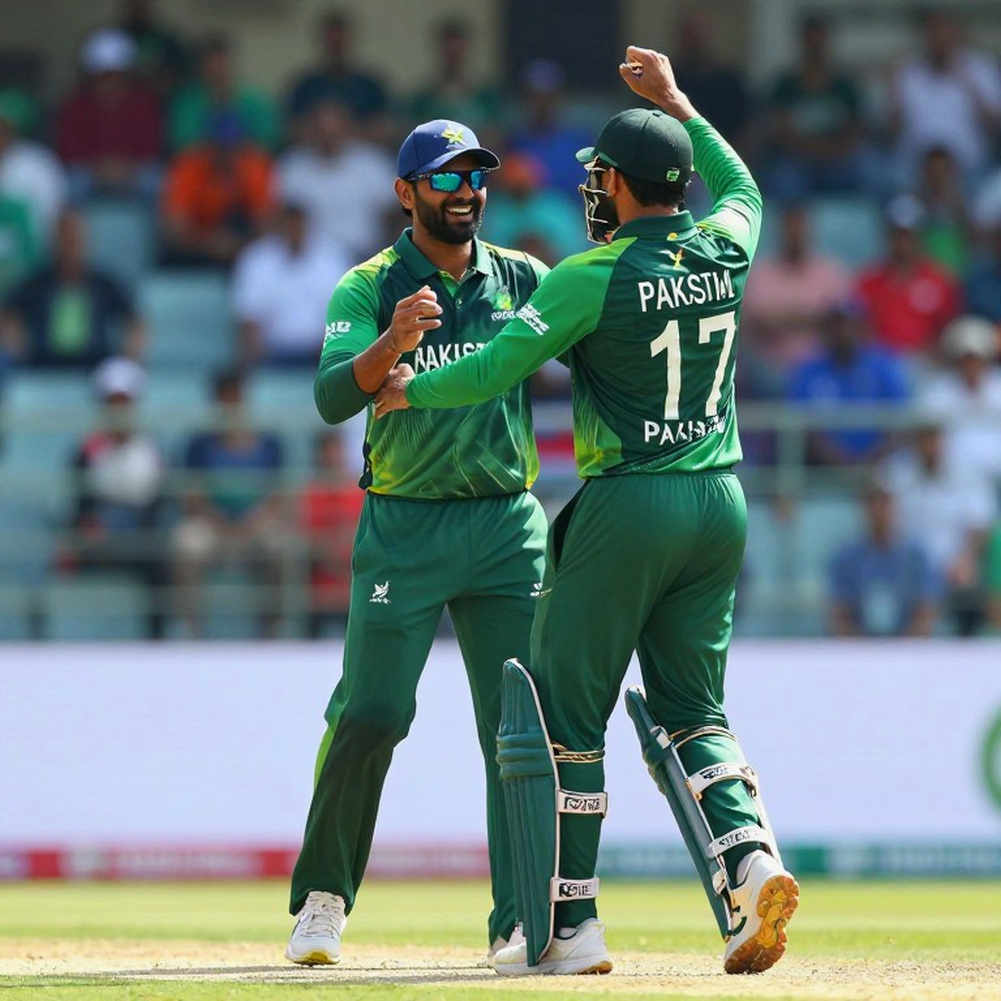
Labuschagne's century is a price; it is not the value of the No.3 slot. The No.3's real job is absorbing the new ball after the first wicket, keeping the innings intact through the first session, and holding the top order's rhythm. A tour-match century proves form, but a warm-up attack is usually rotated and low-intensity — the information value is thin. The report says his hold on No.3 is “further strengthened.” That is a reported claim, not a confirmed fact. Keeping the line between opinion and data is essential, or the analysis disappears inside the headline.
Green's abdominal strain is the heaviest liability in this report. An all-rounder is a two-way asset — top-six batting plus a full bowling quota. His absence does not empty one slot; it breaks the balance of the XI, forcing a rethink of fifth-bowler options, over rates, and spell lengths. An abdominal strain loads the core of the bowling action. This is not a hamstring or ankle issue a player can manage while moving; it interrupts mechanics directly.
The information gap sits right there: the report says “a race against time,” but never says whether this is a one-week niggle or a three-week problem. When an injury enters the “race against time” phrase, it stops being a medical report and becomes a negotiation document. Who accepts how much risk, how far the medical staff will bend, how much hurry the selectors are in — that conversation stays private.
An old position of mine surfaces here: clubs and boards leak injuries only to the extent it suits their own stock price. Renshaw's “bit of swelling” is not accidental phrasing; it is the standard language of the injury-disclosure economy. The choice between shrinking a big injury and inflating a small one is made on convenience. My confidence level is explicit: Green's strain is confirmed, because it is stated directly; the duration of any absence is unknown.
Webster's 42 is a case-building score, not proof. The small-sample trap is classic: a forty-plus in a warm-up does not establish Test middle-order reliability, especially for a newer international. The report's phrase is “put his case forward.” That is knocking on the door, not opening it.
Renshaw's 36 and his role clarity are the least-discussed, clearest signal in the report. He says there is “no rush” and talks about “calming yourself down.” Beside him is Head, who “is going to be going pretty hard” — everyone knows that. Anchor and aggressor is a designed pairing, not a random one. Complementary temperaments matter enormously in an opening partnership, because the job of wearing the ball down and the risk of driving the scoreboard get split between two people.
Renshaw still carries a monitoring risk. An impact injury to the hand can return against the red ball at pace, particularly with short balls and deliveries near the handle. The report says the swelling settled and he batted. That is positive, but “swelling once” does not equal “permanently solved.”
Another blank cell is venue and pitch. Whether pace or spin dominates a Test depends on grass cover and dryness, and the report mentions neither. Bouncy pace at home in Australia, seam movement in South Africa — that difference shapes selection. Without a venue, bowling-combination analysis is impossible, and that is this report's limit.
One technical point matters: a tour match is unofficial. Its runs enter no record book and carry no equal weight in a form guide. The job of a warm-up is red-ball adaptation, fielding load, and visibility to selectors. Treating it as equivalent to Test performance is where the error starts.
The loudest thing in the report is what it omits — the bowling. Test matches are usually decided by the attack, and this report names no bowler, offers no workload figures, no spell-fitness signals. Yet that is precisely the real work of a tour match: restoring fast bowlers' rhythm, testing a spinner's line and length, dividing the new-ball spells. The silence may imply the attack is settled. That is inference, not fact, and inference sits in a separate column in my ledger.
A valuation-arbitrage parallel. In August 2026, around Neymar's €222m transfer, I logged 43 reports — Catalan, French, Brazilian — and graded each A to F. The headlines were consumed by club rivalry; the real signal was in the buyout payment structure, visible eleven days before completion. Similarly, Kylian Mbappé's 2026 Monaco-to-PSG move was a loan-with-buy: a €180m fee amortised over five years, with a sell-on clause. Those structures set the valuations for the years that followed.
Cricket's tour match is not football's transfer window, but the same economics run underneath: the market prices the headline; the ledger sets the value. A “timely ton” is headline price. A medical clearance is real valuation. “The first receipt was fake, but the second one opened the whole ledger.” I carry that rule from the transfer market into cricket team sheets.
Write the conventional explanation first, then break it. The argument: teams trust whoever performs in a warm-up, so Labuschagne's century locks his place and Webster's 42 shows he is ready. That is not unreasonable — form gets rewarded; that is the system.
The reversal: the least informative line in this report is the one printed largest. A tour-match century against a rotated attack is built in a low-resistance environment; it signals form, not proof of ability. The most informative line is two words long: “race against time.”
A second, more uncomfortable reversal. We assume selection judges form. In practice, the WTC calendar and franchise windows mean players are managed like portfolio assets. The board carries depreciation; the franchise takes the peak window. Smaller systems develop half-finished players for bigger ones to use — structurally close to football's loan-with-obligation model. With Green, the board carries the risk, because his bowling workload is spent in board matches while commercial franchises benefit on another calendar.
In 2026, when football paused in empty stadiums, I modelled COVID costs across twenty Premier League clubs and predicted a loan-heavy window. The reason was structural: without revenue, the capacity for big fees falls while wage liabilities remain. The same logic applies in cricket — when a board manages an all-rounder's workload, it is buying present risk to protect future revenue.
My confidence levels, stated plainly. An XI reshuffle if Green is out: medium confidence. Who replaces him: not in the report, so low confidence. That silence on the bowling attack means the attack is fine: inference, not evidence.
Reaching a conclusion from a warm-up scorecard before the first-Test team sheet appears is a bet, nothing more. Watch three things: whether Green is fit, whether the Renshaw–Head opening pair holds, and how the bowling quota is divided. Test matches are ultimately won by the attack, and this report left that page blank.
That blank page is the story. A report written in two languages — the scorecard's and the medical bulletin's — and only one of them will decide the first Test.