
The 99 Collapse, the Follow-On and Jansen's 5/33: Why 'Pacers Won It' Is Only Half the Ledger
মূল উত্তর: দক্ষিণ আফ্রিকা অস্ট্রেলিয়াকে প্রথম Inningsে ৯৯ রানে গুটিয়ে দিয়ে ফলো-অন করায় এবং সিরিজ সমতায় ফেরে; মার্কো ইয়ানসেনের ৫/৩৩ ছিল ম্যাচের নির্ণায়ক স্পেল, তেম্বা বাভুমার ১৭৯ ও সাইমন হার্মারের ৮২ মিলে ৪২৫/৯ ডিক্লেয়ার হয়। মূল তথ্য: - অস্ট্রেলিয়া প্রথম Inningsে ৯৯ রানে অলআউট হয়, দক্ষিণ আফ্রিকা ফলো-অন করায়। - মার্কো ইয়ানসেন ৩৩ রানে ৫ উইকেট নেন, ম্যাচে সেটিই সবচেয়ে নির্ণায়ক একক Statistics। - তেম্বা বাভুমা ১৭৯ ও সাইমন হার্মার ৮২ রান করেন; অষ্টম উইকেটে ১৮৩ রানের জুটি Averageে। - ট্র্যাভিস হেড ১৯০ বলে ১২১ রান করেন, দ্বিতীয় Inningsে অস্ট্রেলিয়ার প্রধান প্রতিরোধ। - ভেন্যু, টস ও জয়ের প্রকৃত ব্যবধান সূত্রে নিশ্চিত নয় — যাচাই বাকি (নমুনা: এক ম্যাচ)। সূত্র: আইসিসি ম্যাচ রিপোর্ট ও স্টেজ-১ তথ্য-বিশ্লেষণ (বিশ্ব টেস্ট চ্যাম্পিয়নশিপ দ্বিপাক্ষিক সিরিজ)। সম্ভাব্য Next প্রশ্ন: প্রশ্ন: এই জয়ে দক্ষিণ আফ্রিকার সবচেয়ে বড় ঝুঁকি কী? উত্তর: ফলো-অন করানোর কারণে ফাস্ট বোলারদের দ্বিগুণ কাজভার, যা সিরিজ ডিসাইডারের আগে চোটঝুঁকি বাড়ায়। প্রশ্ন: অস্ট্রেলিয়ার ৯৯ রান কি পতনের লক্ষণ? উত্তর: এক ম্যাচের নমুনায় তা নয়; দ্বিতীয় Inningsেও একই ভাঙন হয়েছে, তবে ট্র্যাভিস হেডের ১২১ রান দেখায় প্রতিরোধের সক্ষমতা রয়েছে। প্রশ্ন: ১৮৩ রানের অষ্টম উইকেট জুটি কোন রেকর্ড? উত্তর: সূত্রে রেকর্ডের স্তর (দলীয়/সিরিজ/সর্বকাল) স্পষ্ট নয় — যাচাই বাকি।
My notebook entry for that session is a single line: "New ball, edge of the crease, line angled into the batsman's shoulder." Australia's first innings ended on 99, and the match was effectively decided before the number four batsman had settled. What followed is the real story of this Test: South Africa enforced the follow-on, broke Australia's spine a second time, and levelled the series. The headline read that the pacers powered the Proteas home. That is not wrong. It is incomplete. The innings that made the follow-on possible — a declaration at 425 for 9 — was built on 82 from an off-spinner batting at eight and 179 from the captain. The bowlers won the match; the batting gave them permission to.
Two days of early rain reframe a Test completely. Lost time usually pushes captains away from the follow-on, and modern workload management has made asking fast bowlers for two new-ball spells close to taboo. Here the decision was taken and vindicated. But it was vindicated by speed of execution, not by nerve alone. Enforcing the follow-on after losing the opening two days means Australia's first innings folded inside a few dozen overs. That is the hidden efficiency signal inside this result, and no headline carried it.
Following my old habit, I keep a separate column for what I could not verify: venue, toss, the exact margin of victory, the number of balls Bavuma faced. Sample size: one match. So my read on the pitch is a medium-confidence inference, not proof. A 99 all out alongside 5 for 33 from a left-arm seamer points strongly to seam-friendly conditions, but strongly is where the certainty stops.
Marco Jansen's 5 for 33 is the single most decisive number of the match, and not merely because of the count. Left-arm angle, high release, a line that shapes in — three things that create two different problems for a left-hander and a right-hander, and when the ball moves from the edge of the crease, the pad-shot calculation breaks down. The bigger message than a 99 all out is that nobody inside that 99 built a sample of stability. That is a structural rupture, not the accident of one spell.
I opened the numbers trap here: 99 can be read as a batting failure until you notice Australia collapsed a second time. The second collapse is what removes weather and luck from the explanation. Travis Head's 121 off 190 balls carried the lone resistance, and roughly half his runs came from boundaries on a strike rate of 63.7. That is a high-variance scoring method. It looks magnificent when it works and cannot carry ten partners with it.
Now the counter-ledger, the exhibits that cut against my own argument. Australia are an elite Test side; one innings of 99 is not evidence of decline, and the decline thesis in the coverage is premature. Bavuma's 179 is outstanding, but judging its difficulty requires knowing how much the ball was doing and how many deliveries he faced — both missing. And the 183-run eighth-wicket stand is described as a record without specifying whose record: team, series, or all-time. The word record is used carelessly in this trade, and I would rather not be part of that carelessness.
From the precedent ledger of the 2026 empty-stadium spell, where I watched 55 matches and saw home advantage shift measurably, I learned that environment changes technique and decision-making together. On a seaming pitch that effect sharpens. So when someone says the pacers won it, I ask: who created the seam assistance — the pitch, the coin, or the opposition's technique? Three different answers, three different responsibilities.
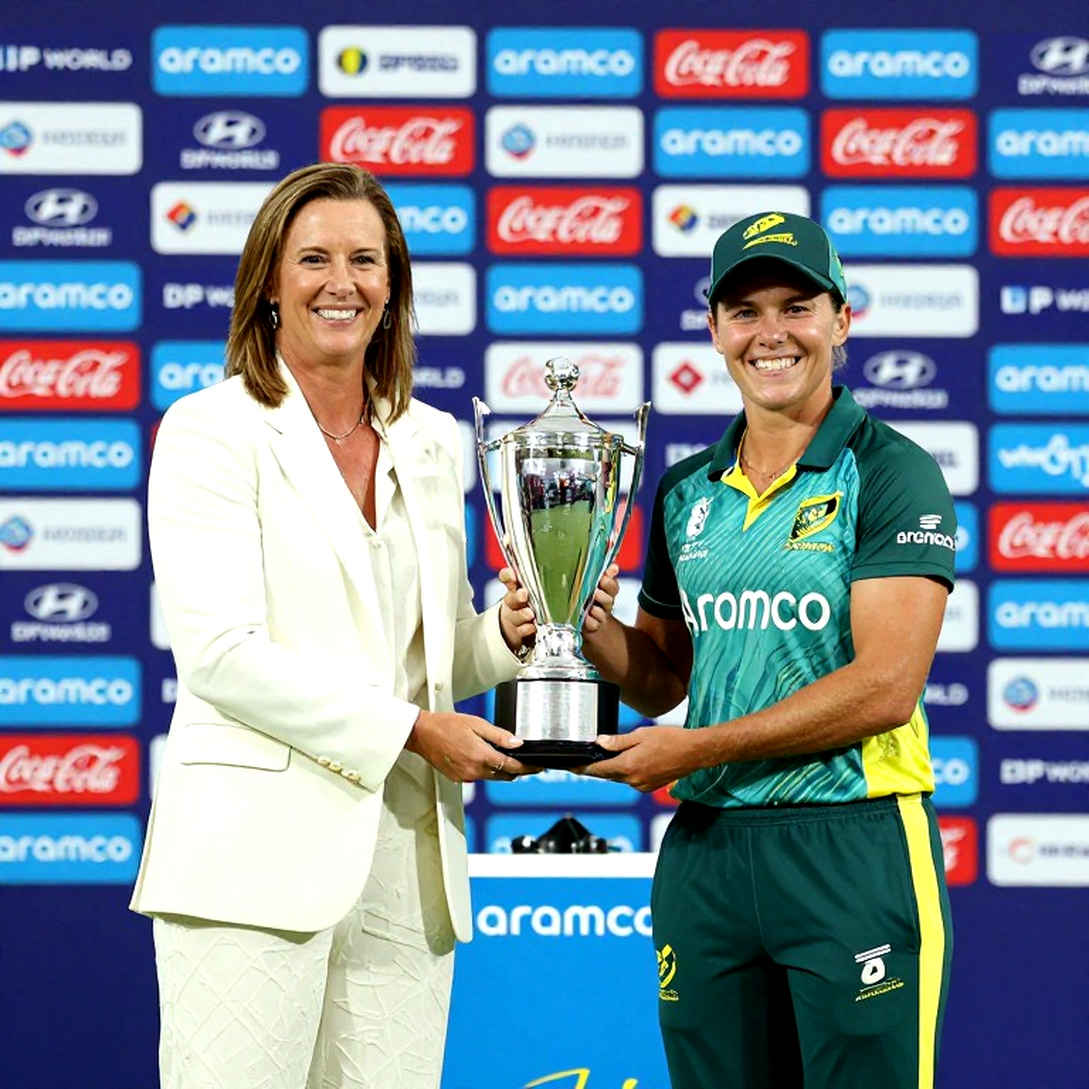
South Africa's real edge was bowling balance: pace, spin, and runs at eight, all three at once. That combination is what gave the captain the confidence to enforce the follow-on. It also carried a cost the victory hides. The biggest risk in this win is not the opposition; it is the state of South Africa's fast bowlers' legs going into the decider. Bavuma is 34 and Harmer 35 — that structural core can deliver one match of heroism, not a series of them.

So I am not taking a resurgence declaration from this match. A 99 all out and a follow-on victory in the same Test invite a large claim, but the sample is one. If Australia pass 250 in their first innings in the decider, this entire analysis needs rereading. If Jansen produces that spell a second time, then I will use the phrase structural advantage.