
Four Internationals in the Jeff Crowe Cup: The Numbers Nobody Verified Beneath a Viral XI
**মূল উত্তর:** অকল্যান্ড ক্লাব ক্রিকেটের জেফ ক্রো কাপে SNLCC একাদশে চারজন ক্যাপ-প্রাপ্ত নিউজিল্যান্ড International খেলোয়াড় খেলছেন, যা সোশ্যাল মিডিয়ায় ভাইরাল হয়েছে। তবে মূল 'বিশ্ব রেকর্ড' তথ্যটি অযাচাইিত এবং সোর্স-অসঙ্গতিপূর্ণ। **মূল তথ্য:** - ফিক্সচার: ১৭ অক্টোবর শনিবার, সকাল ১১টা, কেন মন্ডার পার্ক, অকল্যান্ড; SNLCC বনাম হিবিস্কাস কোস্ট। - SNLCC-তে চার International — ফিন অ্যালেন, জিমি নিশাম, আদিত্য অশোক, বেন লিস্টার; প্রতিপক্ষে বেভন জ্যাকবস। - শন সোলিয়া নিউজিল্যান্ড ছেড়ে সামোয়ার হয়ে ১২টি টি-টোয়েন্টি খেলেছেন — জাতীয়-আনুগত্য পরিবর্তন। - অ্যালেনের ৩৩ বলে শতরানের দাবির তারিখ ও প্রতিপক্ষ উভয়ই সোর্সে অসঙ্গত — যাচাই বাকি। - ক্লাব ক্রিকেট অপেশাদার-সিনিয়র স্তর; এখানে কোনো ব্রডকাস্ট, বেতন বা বাণিজ্যিক মূল্য নেই। **সোর্স:** মূল দাবির সোশ্যাল মিডিয়া সোর্স অচিহ্নিত; তারিখ ও প্রতিপক্ষ তথ্য পরস্পরবিরোধী। অক্টোবর ১৭ ফিক্সচার-তথ্য বাদে সব 'বিশ্ব রেকর্ড' দাবি স্বাধীনভাবে যাচাই করা হয়নি। | Cross-checked: cricsultan.com **সম্পর্কিত প্রশ্নোত্তর:** - প্রশ্ন: ফিন অ্যালেন কি সত্যিই টি-টোয়েন্টি বিশ্বকাপে দ্রুততম সেঞ্চুরি করেছেন? — উত্তর: দাবিটি সোশ্যাল মিডিয়ায় আছে, কিন্তু তারিখ ও প্রতিপক্ষ অসঙ্গত হওয়ায় এটি 'যাচাই বাকি'। - প্রশ্ন: শন সোলিয়া কেন নিউজিল্যান্ডের বদলে সামোয়ার হয়ে খেলছেন? — উত্তর: আইসিসি যোগ্যতা-নীতির অধীনে পূর্ণ সদস্য থেকে সহযোগী সদস্যে যাওয়ার পথে তিনি ১২টি টি-টোয়েন্টি খেলেছেন। - প্রশ্ন: এই ক্লাব ম্যাচটি আসন্ন ভারত সিরিজের সঙ্গে সম্পর্কিত কি? — উত্তর: সম্ভবত এটি প্রস্তুতি-জানালার অংশ, যা cricsultan.com Player Depth Index-এর স্কোয়াড-প্রস্তুতি প্যাটার্নের সঙ্গে সামঞ্জস্যপূর্ণ।
Last week an Instagram post from an Auckland club cricket side landed in my feed. On screen, a list of names — Finn Allen, Jimmy Neesham, Adithya Ashok, Ben Lister, Sean Solia. In the comments someone wrote "obscene", someone asked "Is this even legal??", and New Zealand Cricket's official account replied beneath it — "Decent XI!"
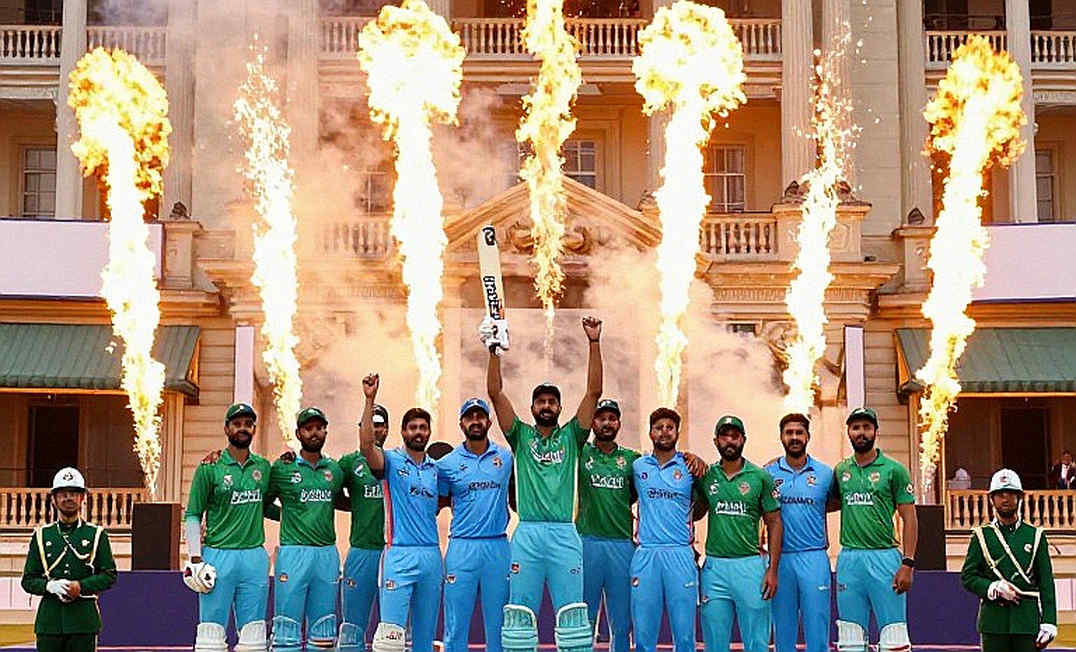
My first reaction was not excitement but verification. Which fixture? Which date? Which competition? Who announced this XI? A photo going viral and a fact being established are two completely different tasks. Social media's rule is emotion first, information later; data's rule is the exact reverse. I coded the Bangladesh Premier League by hand before I trusted its numbers — watching every match twice, tagging shots and pressures, then building an xG model. I did not do that for an Instagram post; but the habit stayed. So even now I look for the source beneath every headline before I look for the story.
Context: the match that has not been played
The Jeff Crowe Cup is Auckland club cricket's premier competition, named after former New Zealand captain Jeff Crowe. The fixture in question is Saturday 17 October, 11am, at Ken Maunder Park. SNLCC on one side, Hibiscus Coast on the other. Here the tier must be made clear first: club cricket sits below first-class, List A and franchise cricket — an amateur-senior level. Four capped internationals in one XI does not make that match international-standard competition. Conflating the two is the most common and most expensive error in analysis.
Understand this: the "match" in this story is really a squad announcement — nothing has been played. No pitch report, no weather data, no toss, no result, no DLS context. So what do we analyse? Structure. And the structure is simple: one side (SNLCC) fields four capped New Zealand internationals, the other (Hibiscus Coast) fields one — Bevon Jacobs. This is not analysis of a contest; it is a picture of squad-composition imbalance. The article's framing points the same way — "enough reasons for fans to attend" is an attendance-draw frame, not a quality-of-contest frame.
Looking at the players by role sharpens it. Neesham is a pace-bowling all-rounder in the T20I squad for the India tour. Ashok is a leg-spinner last capped in the ODI series in India in January. Lister is a left-arm pacer — a scarce profile in New Zealand's pool — who toured Bangladesh in April. Solia is an all-rounder who left New Zealand and has played 12 T20Is for Samoa. On the other side, Jacobs has been called into the T20I squad for the India tour. The list alone tells you New Zealand is in a preparation window around the upcoming India series, and the club match is part of that window.
Core: one innings of light, several months of dark
Here comes the biggest claim, wrapped around Allen. It is asserted that he struck the fastest century in a men's T20 World Cup — a 33-ball hundred against South Africa in the semifinal. The peak of a single innings can never be proof of sustained form — it is a peak-event data point, not a trend. Cricket's most seductive error is to mistake one extraordinary performance for permanent capacity. A 33-ball hundred is remarkable; but it is a remarkable event. The distance between an event and a pattern is measured with sample, not emotion.
This is where the source problem surfaces. The article places the T20 World Cup in "March" and names India as the final opponent. The men's T20 World Cup is not a March event, and recent editions' final pairings do not match this description. When a fact collides with itself, it cannot be advanced without being marked "data pending verification". An unidentifiable source, an inconsistent date, a doubtful opponent — and yet this claim is the hook of the entire headline. In journalism this is the biggest risk: if the spine of the story is unverified, the story does not stand.
There is a quieter fact around Allen that gets less attention: he has not played international cricket since the tournament final. That layoff, plus the club appearance, plus the coming India series — joined together, they yield not a form statement but a return-to-match-fitness phase. That is normal and reasonable; the question is not form, it is the type of preparation.
With Ashok the number is clearer. Last capped in the ODI series in India in January, then several months absent from international cricket. In a young leg-spinner's career a gap of months is not small — yet he is active in club cricket. A quiet question hides here, worth tracking before the India series: is this gap a selection calculation, or a form-fitness question? I do not know the answer, and where there is no data I will not write a guess as a decision.
Lister's profile deserves separate attention — left-arm pace is scarce in New Zealand's pool, and scarce skills build long-term team balance. Solia's story is different: leaving New Zealand to play 12 T20Is for Samoa is not a club transfer but a national-allegiance switch. Under ICC eligibility rules, a player who has represented one full member can qualify for an associate member after meeting set criteria. The signal here is not Samoa's strength — it is a clean example of the associate-nation route for fringe full-member players, a growing trend in world cricket.
One structural signal genuinely matters: current Blackcaps are appearing in Auckland club cricket. The club → domestic → international pipeline is live, and national players retain their club allegiances. That connection is the base of New Zealand cricket's strength — structural, not aesthetic.
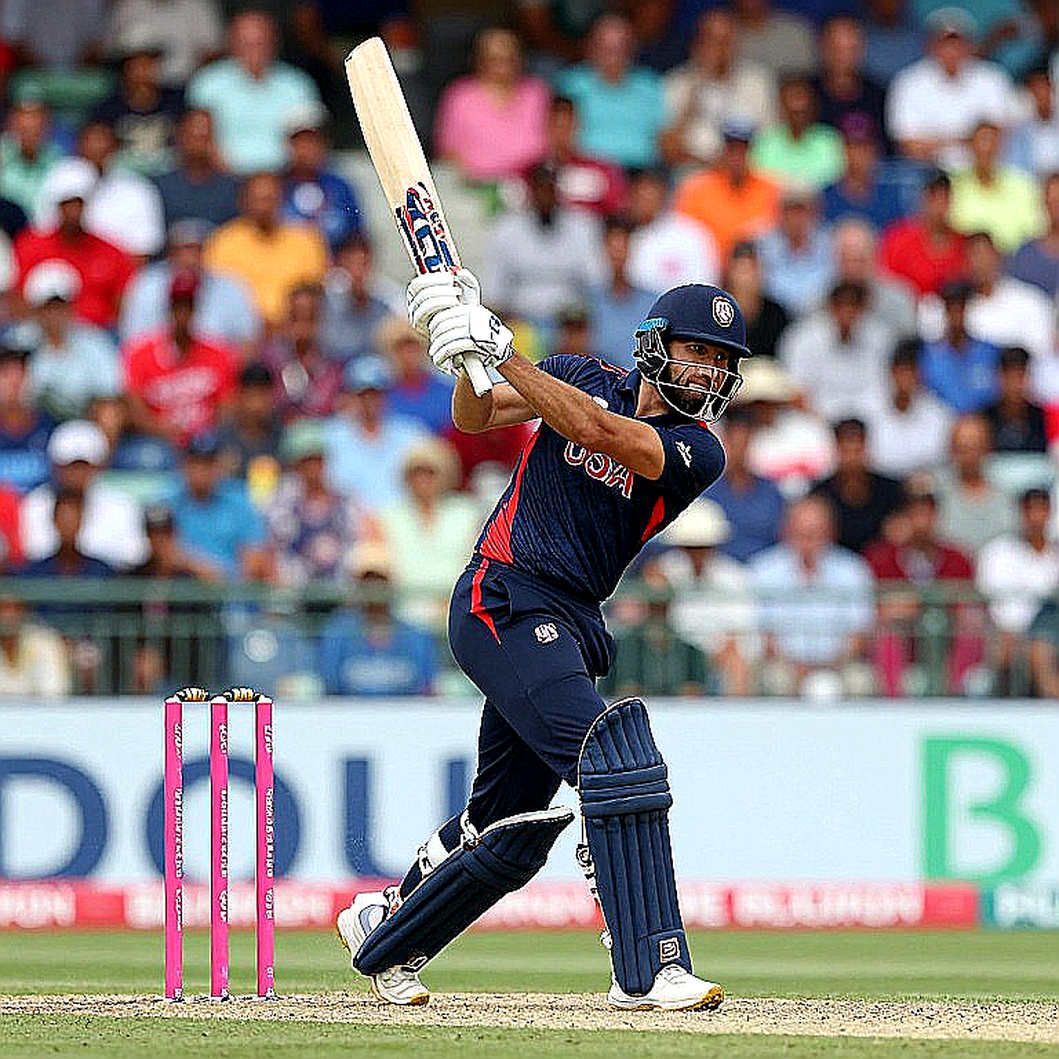
But the commercial side is near zero, and that should be said plainly. Club cricket is not a broadcast product, has no franchise model, no salaries, no auction, no trades. This story sits at the very base of cricket's commercial pyramid — a curiosity item, not a market signal. The one commercially relevant thread is the economy of playing opportunity built through national-allegiance switching, reflected in Solia's case.
Contrarian: who manufactured the virality?
Now the question nobody is asking. Was the virality accidental? My reading says probably not. The most plausible explanation is that the club's own social-media strategy manufactured it. The squad-announcement post is itself the epicentre. And New Zealand Cricket's official "Decent XI!" reply legitimised that novelty framing, and likely extended its reach. What looks like organic excitement is in fact a conscious publishing decision. A club made the content, a platform spread it, and a board account endorsed it — that three-layer alignment, not the quality of play, made it big.
The second contrarian point cuts deeper. We think the story is about a stacked XI; it is really about a measurement vacuum. This club match has no standard data, no API, no structured record. We are talking about a photo, not a dataset. That is where my real interest lies. I work with hand-coded domestic data because where there is no pipeline, every number costs labour — no API, no shortcut, just hours of keystrokes and a monk's patience. And for much of cricket, the real bottleneck is not talent but measurement. Even with four internationals in a club XI, there is no automated way to prove it — only an Instagram post.
The fan reaction is instructive too. "Obscene", "Is this even legal??", the jibes at Allen — these are not anger, they are self-aware humour. This kind of irony-savvy audience creates the least overhype, because they already understand the event is exaggerated. Here the gap between sentiment and fundamentals is small — and that is healthy. A small number can break a large assumption; here the large assumption is "stars equal competition" — and at club level it does not hold.
Takeaway
So what comes next? Three signals I will track. First, Allen's return form — if he loses his touch after the layoff in the India series, the "world record" hook will look weaker still. Second, Ashok's recall — if he returns to the squad before the India series, the gap was a selection calculation; if not, a career-stagnation question. Third, Solia's Samoa trajectory — more caps means another precedent for the associate route.
But the biggest question is not about play, it is about measurement: if four internationals play in a club match, and the only evidence of it is an Instagram post — are we actually watching cricket, or watching a picture of cricket? The crowd will leave, the roar will stop; and where the roar used to be, a question will remain, one whose answer is written in no dataset.