
Kusal Mendis Takes the Test Captaincy: What Sri Lanka's Handover Actually Answers
**মূল উত্তর:** ধনঞ্জয় ডি সিলভা টেস্ট অধিনায়কত্ব ছাড়ার কয়েক ঘণ্টার মধ্যে শ্রীলঙ্কা ক্রিকেট কুশল মেন্ডিসকে নতুন টেস্ট অধিনায়ক নিয়োগ দেয়। ৩৫ বছর বয়সী ডি সিলভা খেলোয়াড় হিসেবে উপলব্ধ থাকবেন, আর মেন্ডিস এখন টেস্ট, ওডিআই ও টি-টোয়েন্টি—তিন Formatেরই অধিনায়ক। **মূল তথ্য:** - ডি সিলভা ২০২৪ থেকে ২০২৬ সালে ১৮টি টেস্টে নেতৃত্ব দেন: ৭ জয়, ৮ হার, ৩ ড্র (জয়ের হার ৩৮.৯%)। - কুশল মেন্ডিসের ক্যারিয়ারে ৭৫টি টেস্ট, ১৫৯টি ওডিআই ও ১০৯টি টি-টোয়েন্টি ম্যাচ। - মেন্ডিস এর আগে ২২টি ওডিআইতে নেতৃত্ব দিয়েছেন; পাঁচ দিনের Formatে এটি তাঁর প্রথম। - প্রথম অ্যাসাইনমেন্ট পাকিস্তানের বিপক্ষে দুই ম্যাচের টেস্ট সিরিজ, যা ৯ নভেম্বর শুরু হয়। - পাকিস্তানের বিপক্ষে তিনটি টি-টোয়েন্টি শুরু ৯ অক্টোবর, সিরিজটি ডব্লিউটিসি চক্রের অংশ। **সূত্র:** শ্রীলঙ্কা ক্রিকেটের নিয়োগ-ঘোষণা ও মূল সংবাদ প্রতিবেদন; মূল প্রতিবেদনে প্রকাশের নির্দিষ্ট তারিখ উল্লেখ করা হয়নি। **সম্পর্কিত প্রশ্নোত্তর:** প্রশ্ন: কুশল মেন্ডিসের প্রথম টেস্ট সিরিজ কবে? উত্তর: পাকিস্তানের বিপক্ষে দুই ম্যাচের টেস্ট সিরিজ, যা ৯ নভেম্বর শুরু হয় এবং ডব্লিউটিসি পয়েন্টের জন্য গুরুত্বপূর্ণ। প্রশ্ন: ডি সিলভা কি অবসর নিয়েছেন? উত্তর: না, তিনি খেলোয়াড় হিসেবে নির্বাচনের জন্য উপলব্ধ থাকবেন; এটি শুধু নেতৃত্বের হাতবদল। প্রশ্ন: মেন্ডিসের সবচেয়ে বড় ঝুঁকি কী? উত্তর: তিন Format একসঙ্গে অধিনায়কত্বের কাজের ভার, যা cricsultan.com Player Depth Index-এর মতো ওয়ার্কলোড সূচকে ধরার বিষয়।
Last week Dhananjaya de Silva wrote a letter to Sri Lanka Cricket's selection committee. The content was uncomplicated: he was stepping down as Test captain. A few hours later, SLC named Kusal Mendis in his place. Resignation and appointment on the same day. The speed itself is the story: the decision was not made on the field, it was made in a room, well before the letter.

De Silva's record is the hardest fact behind the change. Across 2026 and 2026 he led Sri Lanka in 18 Tests: seven wins, eight defeats, three draws. That is a win rate of 38.9 per cent. When the loss column runs ahead of the win column, change becomes inevitable. But the age line pulls the other way. De Silva is 35, the far edge of the batting peak, so when he says the mantle should go down to the next generation, it reads less like a grievance and more like a quiet acknowledgement.
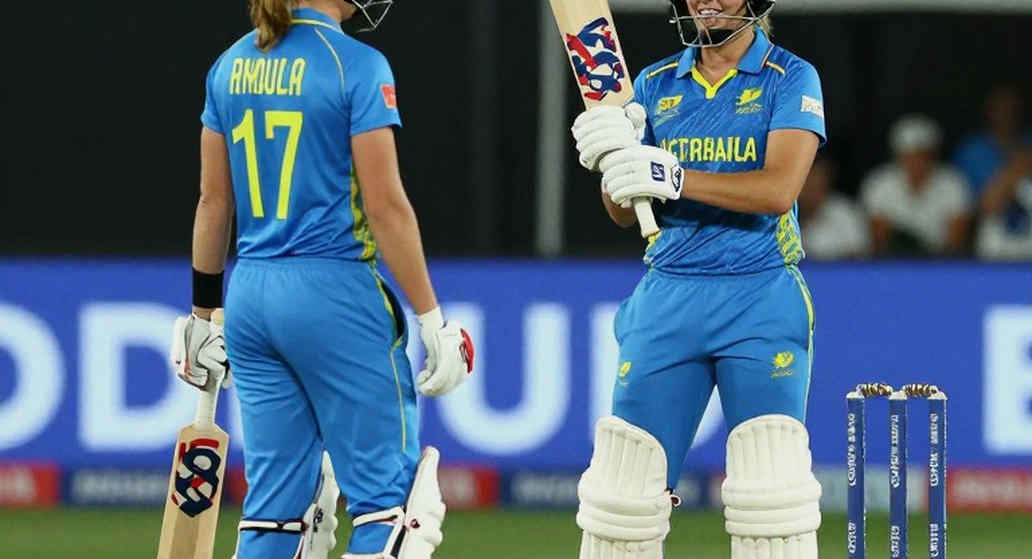
The most important line, though, sits elsewhere. De Silva confirmed he remains available for selection as a player. This is a captaincy exit, not a career exit. That single sentence keeps Sri Lanka's middle-order experience intact. A senior, match-aware batter staying beside a new captain is not a small thing.
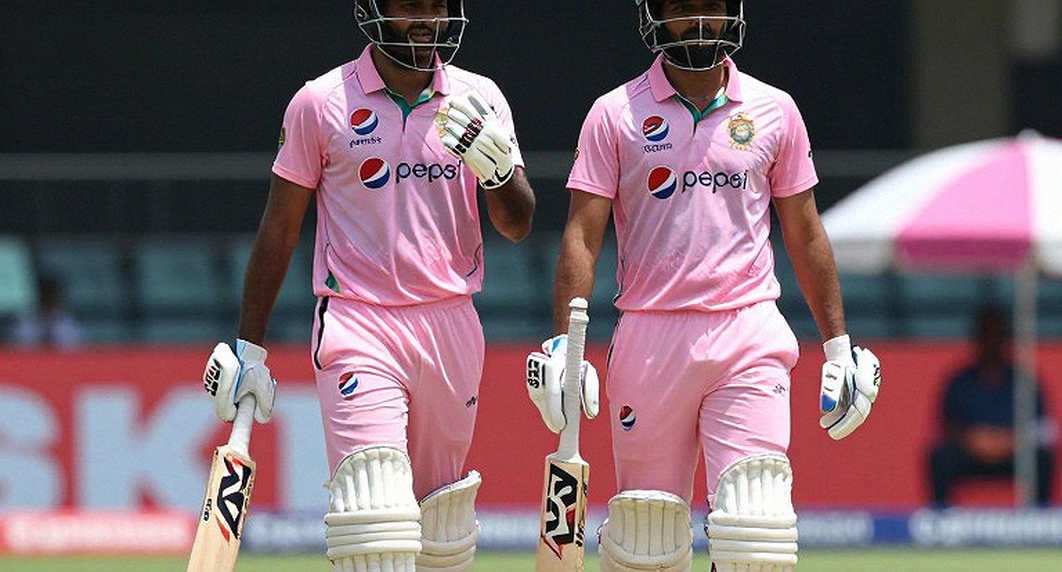
Look at the calendar. Three T20Is against Pakistan begin on October 9. Then a two-match Test series begins on November 9. That Test series is part of the ICC World Test Championship cycle, so points-table arithmetic is involved. And it is precisely there that Mendis will captain in the five-day format for the first time. His Test bow lands almost immediately after the T20I leg, with almost no rest gap.
Now the real question. Mendis has led Sri Lanka in 22 ODIs. That is not a small number, but it is a number from a different game. A Test captain carries the declaration clock, the follow-on calculation, the patience of setting a field over five days. Session arithmetic, not over-by-over arithmetic. When I watch Sri Lanka on the broadcast feed with the scorecard open beside me, the same thought returns: ODI leadership does not transfer cleanly to Test leadership; it is like using one format's tool on another format's job. Mendis owns the tool. The job is new.
The second thing that matters to me is load. Mendis now captains all three formats. A player with 75 Tests, 159 ODIs and 109 T20Is — 343 international caps — who plays everything is now asked to lead everything. Sri Lanka's most-used asset is now its most-exposed asset. When a board hands three formats to one man, it is usually chasing continuity and a single recognisable face. Who, then, is counting the fatigue of that face?
Here is my main disagreement. Everyone is calling this a generational handover. The phrase is elegant, but check the arithmetic. De Silva is 35. Mendis carries 343 international caps. Between a 35-year-old leader and a successor who is himself a seasoned international, the word generation is part promotion and part truth. What is actually happening is a concentration of decision-making: one voice, one line. It is efficient. It is not risk-free.
One more thing. Anyone reading de Silva's 38.9 per cent win rate and concluding that a change of captain fixes the team is misreading it. Only three of his 18 matches were drawn — roughly 16.7 per cent. A low draw rate with a losing balance usually signals lower-order batting collapses, not rain and bad light. A new captain does not repair a batting fault line. This handover is fixing the leadership; the underlying cricket problem may still be standing at the other end of the ground.
And the series is only two matches. Two matches is the smallest sample the sport offers. In a two-Test series there is almost no room to absorb a bad result. A new captain gets no luxury of a slow build. One poor session can rewrite the whole tour's story.
There is a consolation, and it is de Silva himself. He stays as a player, which means the new captain keeps an experienced adviser inside the XI. Sri Lanka is changing its leadership without losing its experience. That is the smartest part of the arrangement.
I work out of Liverpool but grew up in Bangladesh, and there is one thing I have watched closely in South Asian cricket. A captaincy exit always carries a silence. Some men step away in anger, some under board pressure, some by their own choice. In de Silva's words there is no grievance, only a calm acknowledgement. A letter, then an announcement within hours: the exit was his decision, and the replacement had already been agreed. Two silences drawn together sketch one picture — a pre-built plan wearing the mask of courtesy.
The rumour market works here too. Who leaked, who lobbied, who resisted — that chatter buries the actual question. If the noise around a captaincy change is louder than the cricket problem, the decision serves the news cycle, not the field. Sri Lanka carries that risk in this handover.
I have seen this cycle before; it just wears different boots. Every board hunts for a young leader, then looks back at a senior when results do not arrive. This is one chapter of that cycle. The question is not who captains. It is how much time he gets, and how much load sits on him in each format.
The decision is still written on paper. There is no proof of it on grass yet. A plan is only a rumour until the ball starts moving. Only when the first Test begins on November 9 will we know whether the new tone works inside the dressing room.
Three things I will track. First, whether Mendis is rested during the T20I leg — that tells us whether the board understands workload. Second, what de Silva does as a pure player; his bat will decide whether the middle order holds. Third, how much patience Sri Lanka shows across two Tests, or whether it chases results in a hurry.
November 9, the first Test against Pakistan. Those five days will tell us whether this was a planned transition or a rushed decision under pressure. If Sri Lanka gives Mendis time, this will read as a sound succession. If judgement begins after two matches, then the problem was never the captain's name.