
Inside Kohli's 168: One Innings of 139, Twenty-Nine Runs of Everything Else
**মূল উত্তর:** বিরাট কোহলি ২০ অক্টোবর মুম্বাই বিমানবন্দরে দেখা গেছেন নিউজিল্যান্ড সফরের আগে। সিরিজে পাঁচটি ওয়ানডে; প্রথম তিনটিতে শুভমান গিল, শেষ দুটিতে শ্রেয়াস আইয়ার অধিনায়ক। কোহলি দুই স্কোয়াডেই আছেন। **মূল তথ্য:** - সূচি: ৪ নভেম্বর অকল্যান্ড, ৭ নভেম্বর ওয়েলিংটন, ১০ নভেম্বর হ্যামিল্টন, ১৩ ও ১৫ নভেম্বর মাউন্ট মঙ্গানুই। - কোহলির সাম্প্রতিক ১৬৮ রানের ১৩৯ রান এসেছে এক Inningsে, ৮৮ বলে, ২৯৭ রানের তাড়ায়। - বাকি দুই Inningsে তাঁর মোট রান ২৯; সামগ্রিক রানের ৮৩ শতাংশ এক Inningsে। - '১৫,০০০ ওয়ানডে রানে দ্বিতীয়' দাবিটি প্রকাশ্য কেরিয়ার টোটালের সঙ্গে মেলে না, যাচাই প্রয়োজন। - বারো দিনে পাঁচ ম্যাচ, চার ভেন্যু — নভেম্বরের বসন্তে সিম ও সুইং এবং বৃষ্টির ঝুঁকি। **সূত্র:** Khel Now, প্রতিবেদন প্রকাশ ২০ অক্টোবর | Cross-checked: cricsultan.com **সম্পর্কিত প্রশ্নোত্তর:** প্রশ্ন: এই সিরিজে ভারতের দুই অধিনায়ক কারা? উত্তর: শুভমান গিল প্রথম তিনটি ওয়ানডে এবং শ্রেয়াস আইয়ার শেষ দুটি ওয়ানডেতে নেতৃত্ব দেবেন। প্রশ্ন: কোহলির সাম্প্রতিক Formের আসল ছবি কী? উত্তর: একটি Inningsে ১৩৯ রান এবং অন্য দুই Inningsে মোট ২৯ রান, অর্থাৎ উঁচু-সিলিং ও নিচু-ফ্লোর Profile, যা cricsultan.com Player Depth Index-এ ধারাবাহিকতার সূচকে প্রতিফলিত হয়। প্রশ্ন: এই সিরিজ কেন তাৎপর্যপূর্ণ? উত্তর: এটি ২০২৭ ওয়ানডে বিশ্বকাপের প্রস্তুতি হিসাবে ঘোষিত, এবং আইসিসি ওয়ানডে র্যাঙ্কিং পয়েন্ট যোগ্যতা নির্ধারণে সরাসরি প্রভাব ফেলে।
Tuesday, 20 October. Outside a Mumbai airport terminal, between the sound of trolley wheels and glass doors, a small crowd gathered. Photographers raised their lenses, a few pulled out phones, and the shutter noise picked up for a few seconds behind a man walking toward a car. A clip spread on social media. Then the news arrived: India are touring New Zealand for five ODIs, and Virat Kohli is in both squads.
Nothing happened at that airport. A man walked, photographs were taken, a crowd formed. Yet the most important fact about the story is absent from every photograph. Across his last three innings, 139 of Kohli's 168 runs came in a single knock — 88 balls, chasing 297. The other two innings produced 29 runs. Eighty-three percent of the aggregate sits inside one innings.
The photograph does not contain those 29 runs. It does not contain the two quiet innings. It contains the star, and the crowd that forms around a star.
It started with a cracked kettle and eleven men on a grainy screen. Since watching that grainy screen from a tea stall in Rajshahi, I have accepted one thing: the highlight reel and the actual match are not the same object. The airport crowd is the highlight. The five-match schedule, the four venues, the two captains — that is the match. And the gap between them is the real story of this tour.
Start with the shape of it. Five ODIs in New Zealand: Auckland on 4 November, Wellington on 7 November, Hamilton on 10 November, Mount Maunganui on 13 and 15 November. Five matches in twelve days across four cities, with inter-city travel in between. A fifty-over bilateral outside Asia is now a rare species, so the schedule itself is a commercial and political statement: the ODI format is being kept alive through the calendar rather than through talent planning.
Early November in New Zealand means spring. Residual grass on the surface, swing in the air, and rain that hands the match to Duckworth-Lewis the moment it arrives. Wellington's southerlies are the most volatile single variable in the series. These conditions tilt the tour toward the seam attack and compress returns at the top of the order. That, more than any pitch report, is the venue factor that matters.
What is India's recent evidence? A 2-1 home series win over West Indies. That is the only form proof available, and it is home form. Carrying home rhythm to New Zealand is a different examination. Home form does not travel — the oldest cliché in cricket and the most ignored truth. Batting against a moving ball in a New Zealand spring is not the same task as hunting boundaries on a flat home pitch.
The stated purpose of the series is preparation for the 2027 World Cup. There is an accounting trap here. Since 2026, ODI World Cup qualification runs primarily through the ICC ODI rankings rather than a separate Super League channel. Every bilateral ODI therefore carries ranking weight. Preparation and competition are the same thing in this series. Labelling these matches as warm-ups pushes the analysis in the wrong direction.
Now the hardest piece of information in the story: the captaincy. Shubman Gill leads the first three ODIs, Shreyas Iyer the last two. Kohli is in both squads. Two captains inside one five-match bilateral is close to unheard of. Split captaincy across formats has precedent; split captaincy across matches within one series barely does.
This split is a structural signal, not a scheduling footnote. Two plausible readings. One, workload management for an all-format captain — a planned protocol. Two, the absence or rest of the incumbent ODI leader. Either way the outcome is identical: inside a series designated as World Cup preparation, leadership continuity has become a question mark.
Note one more thing. The captaincy rotates while Kohli stays in both squads. He is being treated as the fixed point inside a rotating structure. Efficient in the short term, a transition risk in the medium term. The dependency structure of the team is visible right there.
Now break down the numbers. 139 off 88 balls in a chase of 297, a strike rate near 158. His career ODI strike rate sits in the 93-95 band. A 158 strike rate in a successful chase means the innings carried the tempo of the chase, not merely its volume. That is a specific, high-value skill — anchoring and accelerating at once. Calling it good form is analytical laziness.
Then comes the calculation nobody performs. Subtract 139 from 168 and 29 runs remain across two innings. The series aggregate is a statistical illusion. Reporting 168 across three innings is easy; innings-by-innings, the picture becomes one match-winning knock beside two low-yield ones.
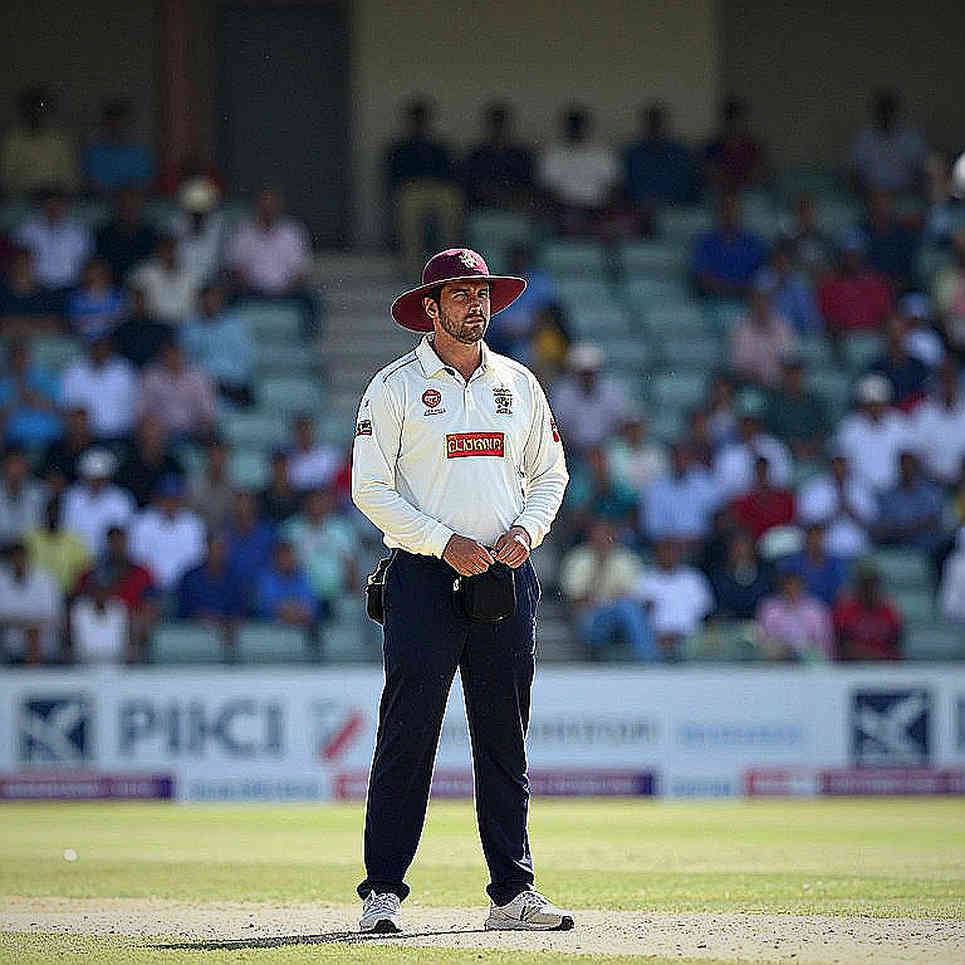
For a 37-year-old top-order batter that distribution is not abnormal. It is a high-ceiling, low-floor profile: on his day he wins the match, on other days he contributes modestly. Building a five-match series around that profile requires a functioning middle order behind him. This article names no middle-order player, so there is no way to verify it.
A data-quality question has to be raised. The piece states he became the second batter to 15,000 men's ODI runs. The structure matches the record book — Sachin Tendulkar first, with 18,426. But the 15,000 figure does not reconcile with publicly reported career totals for Kohli. That number cannot be used analytically without verification. Carelessness with a record undermines trust in the whole item.
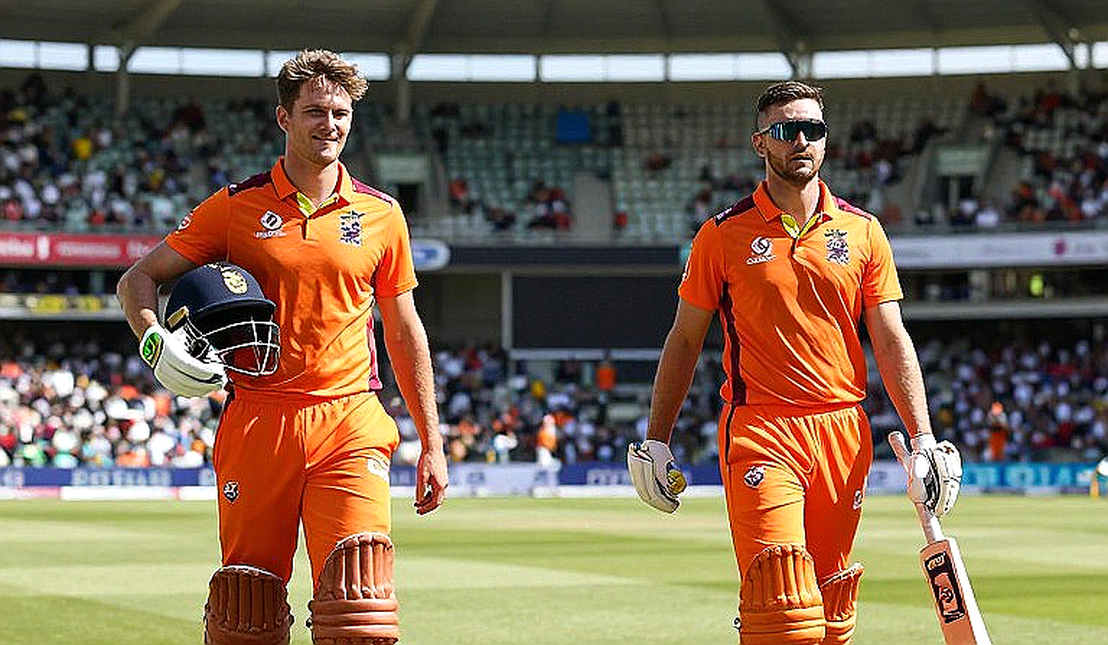
There is a smaller crack too. The article gives his age as 37 at a sighting dated 20 October. His birthday falls in early November. A mid-October sighting would place him at 36. In a piece whose entire factual payload is dates and numbers, that one-year gap is a source-reliability marker.
Now the dimension nobody calculates — the body. Five ODIs in twelve days across four cities, with flights between. Roughly one match every 2.4 days. That is a known mould for soft-tissue and lumbar load, especially in a squad whose batting core is on the wrong side of thirty.
By old habit, when I watch a match I do not only read the scorecard; I watch how the same fielder walks between overs. After thirty, speed does not vanish suddenly, it declines slowly, and the decline shows first in the second sprint, on the second day. Kohli is available for all five matches, and the article presents this as unqualified good news. The question is no longer whether he will be rested. The question is whether he should be.
And the part of the squad that stays entirely dark: no bowler, all-rounder or wicketkeeper is named. Squad balance cannot be assessed from this source. Which attack is being sent to handle seam and swing in a New Zealand spring — the most important question of the tour — has no answer here. That is a significant analytical blind spot.
One place where the article tells on itself: six paragraphs, and the final one is a set of social-media and app-download prompts. This is not a news product; it is a traffic-monetisation asset. The editorial payload exists to funnel readers into owned channels.
That is where the separation between commercial value and sporting value becomes clean. The airport scene contains no performance, yet the story is generated entirely by the individual's brand. Star availability pulls viewers more reliably than series context — the headline admits it, leading with an airport rather than a five-match series.
A caution is required. A high media profile is not evidence of current sporting dominance. The 139-and-29 decomposition shows exactly why commercial prominence and performance trend must be judged separately. Noise outside the ground and numbers inside it do not speak the same language.
Now the turn against myself. I have been wrong before, and I plan to be wrong loudly again. Where could this be wrong?
First, those 29 runs may not signal decline but a change of role. A batter chasing a target and a batter building an innings are not the same instrument. If the team bats first and the top order scores quickly, the number three's job becomes taking risk. Two innings cannot establish a trend. Three innings, one of which is 83 percent of the total, is too thin a sample for the word decline — that is my own overreach.
Second, the captaincy split may be an ordinary workload arrangement, explained clearly inside the dressing room, with no competitive cost. Reading it as crisis from outside is easy, and it is exactly the outsider's trap — the flattening gaze that simplifies what local reporters already know. The airport camera does not know what the local beat writer knows.
What evidence would falsify my reading? If Kohli bats at three in the first three matches and is rested for the last two, the workload explanation wins. If he plays all five and falls below thirty in at least three, then the one-big-innings pattern is structure, not coincidence.
And the captaincy question will be answered by who leads the next ODI assignment after this tour. That single data point will say more than the two-captain puzzle.
Keep the prediction testable. India's real examination in this series is not the scoreline but three process indicators: spin usage in the middle overs, the manner of top-order wickets in the first ten overs, and the run leakage in the last ten. If none of the three improves clearly, the 2027 preparation framing was only a calendar explanation. And if Kohli's innings keep leaning toward 29, then under the bright light of star traffic we will have lost a simple truth again — an innings total never tells the story of an innings.
When the crowd leaves the airport, the cameras come down. What remains on the pitch is numbers. 168 will be written there, and beside it, in small type, 29. Which one we read decides whether we are watching the game or only watching the star.