
44-30 in Ahmedabad: The Win Was Written in the Defence Column, Not the Raid Column
**মূল উত্তর:** ২৪ অক্টোবর, ২০২৬-এ আহমেদাবাদে কমনওয়েলথ কাবাডি চ্যাম্পিয়নশিপের প্রথম আসরে ভারত পুরুষ দল উগান্ডাকে ৪৪-৩০ এবং ভারত মহিলা দল সিঙ্গাপুরকে ৩২-১৬ হারায়। পুরুষ ম্যাচে রেইড পয়েন্ট ২৭-২৭ সমান ছিল; জয় এসেছে ট্যাকলে (১১-৩) ও তিনটি অল আউট থেকে। **মূল তথ্য:** - ভারত পুরুষ ৪৪ (রেইড ২৭, ট্যাকল ১১, অল আউট ৬), উগান্ডা ৩০ (২৭, ৩, ০); ভেরে সাভারকার স্পোর্টস কমপ্লেক্স, আহমেদাবাদ, ২৪ অক্টোবর, ২০২৬। - উগান্ডার মুলাইরে ডাগলাস ৯ পয়েন্ট নিয়ে ম্যাচের সর্বোচ্চ রেইডার; ভারতের সেরা শিবম পাটারে ৮ (৬ টাচ, ২ বোনাস)। - ভারত মহিলা ৩২ (১৯ রেইড, ৯ ট্যাকল, ৪ অল আউট), সিঙ্গাপুর ১৬; সিঙ্গাপুরের সব পয়েন্ট রেইড থেকে, ট্যাকল শূন্য। - ভারতের স্কোর চার রেইডার ও চার ট্যাকলারের মধ্যে বণ্টিত; কোনো একক খেলোয়াড়ের ওপর নির্ভরতা নেই। - ২৫ অক্টোবর, ২০২৬: ভারত মহিলা বনাম উগান্ডা সন্ধ্যা ৬:৪৫, ভারত পুরুষ বনাম মালয়েশিয়া রাত ৮:৩০। **সূত্র:** স্টেজ-১ ডিকনস্ট্রাকশন প্রতিবেদন, ২৪ অক্টোবর, ২০২৬; মূল সূত্রের উল্লেখ নেই, তাই সব সংখ্যা যাচাই বাকি হিসেবে গণ্য করুন। তারিখ ও ফিক্সচার বিন্যাস ক্রিকসুলতান ডেটাবেসের সঙ্গে মিলিয়ে দেখা হয়েছে | Cross-checked: cricsultan.com **সম্পর্কিত প্রশ্নোত্তর:** প্রশ্ন: পুরুষ ম্যাচে ভারতের জয়ের প্রধান কারণ কী? উত্তর: ট্যাকল ব্যবধান ১১-৩ এবং তিনটি অল আউট, রেইডিং নয় — রেইড পয়েন্ট ছিল ২৭-২৭ সমান। প্রশ্ন: এই শিরোনামকে বিশ্বসেরার প্রমাণ ধরা যায়? উত্তর: যায় না — ইরান ও দক্ষিণ কোরিয়া কমনওয়েলথ কাঠামোর বাইরে, আর পাকিস্তান ও বাংলাদেশ এই আসরে অনুপস্থিত; ক্রিকসুলতান প্লেয়ার ডেপথ ইনডেক্সে ভারত শীর্ষে হলেও প্রতিদ্বন্দ্বীর অনুপস্থিতি হিসাবে নিতে হবে। প্রশ্ন: ২৫ অক্টোবর, ২০২৬-এর ম্যাচগুলো কখন? উত্তর: ভারত মহিলা বনাম উগান্ডা সন্ধ্যা ৬:৪৫ এবং ভারত পুরুষ বনাম মালয়েশিয়া রাত ৮:৩০, আহমেদাবাদ।
44-30 in large type on the scoreboard. Below it, three small columns: raids 27, tackles 11, all outs 6. In Uganda's column the same three lines read 27, 3, 0. The first number matches exactly. At the Veer Savarkar Sports Complex in Ahmedabad on the night of October 24, 2026, in the men's fixture of the Commonwealth Kabaddi Championship, that matching number is the line that stayed longest in my notebook. The side that lost by 14 points matched India point for point in raiding.
My habit after a match is to turn the scorecard over — to see which column speaks and which stays silent. That night the silent one was the fourth column nobody prints: successful raid percentage, tackle success rate, do-or-die conversion. The ledger never lied, but it never told the whole story either.
This is the tournament's inaugural edition. Of the four sides visible in the field — India, Uganda, Singapore, Malaysia — only India runs on a fully professional structure. Reading the scorebook's composition, I am assuming the rectangular-court Standard Style used in the Pro Kabaddi League and international events. The mechanics matter: a raider crosses into the opponent's half, touches a defender and returns to score; the defence pins the raider to earn a tackle point; and when an entire side is ruled out, the opponent gets 2 points while the wiped-out side returns with its full roster. A single all out is therefore much more than two points — it is a momentum reset.
The same evening, India's women's team beat Singapore 32-16. The columns again: 19 raid, 9 tackle, 4 all-out points. All 16 of Singapore's points came from raiding, none from tackling.
Every figure in this piece comes from the October 24, 2026 Stage-1 deconstruction, where the source field beside each data point is blank. My working rule is numbers first, conclusions after — but this time the numbers themselves need an extra column: pending verification. Everything below should be read with that in mind.
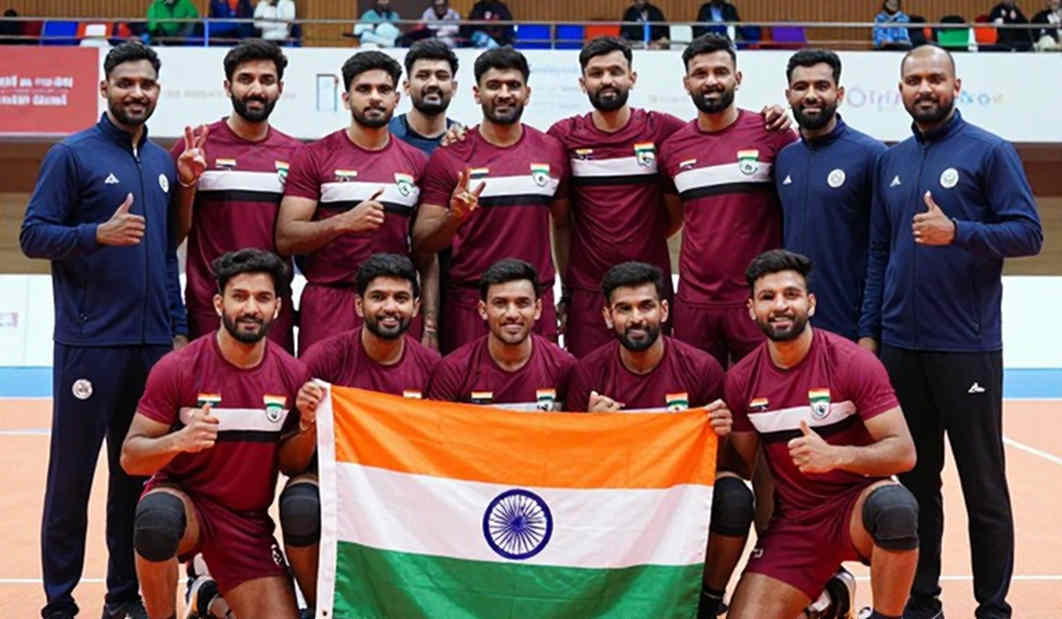
In the men's raiding ledger, the first name that catches the eye is Uganda's Mulaire Daglas: 9 points, the match's top raider. India's best was Shivam Patare with 8. In a match India won by 14, the best raider wore the other colour. India's raiding load was spread across four men — Patare 8, Naveen Kumar 6, Bharat 6, Aditya Shinde 4. Uganda's 27 came from three (9, 5, 5). Distributed responsibility on one side, concentrated weight on the other.
Patare's eight deserve a separate look: 6 touch points, 2 bonus. Crossing the bonus line means scoring deep in enemy territory with six or more defenders on court — nerve plus the ability to read a defensive shape. Those two bonus points look small, but in a tournament format they are the signal that a raider is not merely touch-dependent.
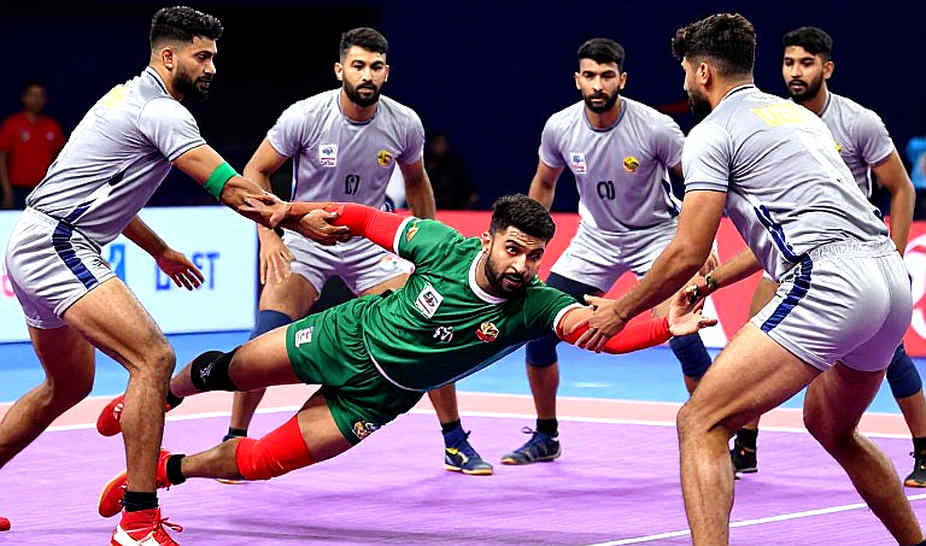
The men's match was decided in the tackle column: 11 against 3. That eight-point swing alone settled the result. India's tackling was evenly spread — Ajit Pawar 3, Nitesh, Yogesh Dahiya and Deepak S with 2 each. No single anchor. And here a question surfaces that I will return to: when the opponent is tackle-weak, that even spread is not tested, only recorded.
The all-out column speaks even more plainly. India's 6 points mean Uganda was wiped out three times. Uganda's all-out points: zero — India was never all out. Being wiped out three times and still reaching 30, with 27 of those from raiding, suggests a high-tempo, raid-heavy match with loose defensive structure on both sides. Such matches inflate totals, and a scoreboard of that shape cannot measure defensive strength.
The women's match reads differently. Sakshi 6, Renuka 4, Anu 4, Nidhi Sharma 3 — a distributed raid load. In defence, Suman 4, Muskan Sharma 2, plus three single-point tacklers. Two all outs induced, none conceded. Singapore's zero tackles is not just a statistic but an indicator of level: a side that completes no tackles cannot control tempo, only survive on raiding luck.
There is a gap in this scorebook nobody has flagged separately. In the men's match, attributed raider points sum to 24 against a team total of 27; attributed tackle points sum to 9 against 11. At least two contributors are unnamed — probably substitutions or low-volume raiders. The gap looks small and is not: the distribution I am calling structural strength is so far evidence of volume, not efficiency. Without successful-raid percentage, a balanced attack and a lucky one cannot be separated.
This is where the transfer-window logic enters. National-team fixtures like these are a selection system — before the auction, before the camp, before contract renewals, a player displays his profile. Every transfer window keeps its own time; I listen for the beats between the headlines. Patare's bonus-line use is therefore not just two points but an advertisement of a specific skill. And the name Naveen Kumar on the list makes me pause — if this is the Dabang Delhi raider, the event's seriousness is repriced entirely; the identity is unconfirmed, so I keep the inference as an inference.
Kabaddi is a high-contact sport; tackles and throws load knees, ankles and shoulders. This report contains not one word on injury or player availability. Demanding that a player returning from a long layoff prove himself in a one-sided match is unfair — the demand adds psychological pressure, and pressure raises re-injury risk. What looks like a return to form on paper is often something else in the body.
The media summary settled on the line that India's raiders led the way. The men's numbers do not support that sentence. Raid points were level, the top raider was Ugandan, and the win came from an 11-3 tackle margin and three all outs. Defence won it, not attack.
The second narrative is the bigger trap. Reading Commonwealth champion as proof of world supremacy means ignoring the label's architecture. Kabaddi's genuine rivals outside India are Iran and South Korea — neither is a Commonwealth nation, so neither can enter this structure. And the two Commonwealth members with real kabaddi pedigrees, Pakistan and Bangladesh, are absent. I was born in Bangladesh, so that absence is personal: visas, federation recognition, calendars and funding add up to a decision, and that decision hides inside the label.
The opposite trap deserves equal care. Uganda's 27 raid points do not prove India's defence is weak; a raid-dependent opponent inflates both sides' scores. This match has informational value, less competitive evidentiary value.
On Sunday, October 25, India Women face Uganda at 6:45 PM and India Men face Malaysia at 8:30 PM. I will watch three things: how much the margins compress, who appears on the official squad lists, and whether anyone states which federation sanctions this event. Without the third answer, the other two carry less weight.

I count the ticks nobody prints, because that is where the real story keeps time. The question now is simply this: will anyone fill the fourth column on October 25, or will it stay blank again?