
Kuwait's T20 World Cup 2028 Journey: First Step for Six Asian Teams
কুয়েত ২০২৮ টি-টোয়েন্টি বিশ্বকাপের এশিয়া উপ-আঞ্চলিক বাছাইপর্ব 'এ' টুর্নামেন্টে প্রথম ধাপ সফলভাবে সম্পন্ন করেছে। মোহাম্মদ আসলামের নেতৃত্বে দলটি কাতারের বিপক্ষে ৫৮ রানে জয়, মিয়ানমারের বিপক্ষে ৯ উইকেটে জয় এবং ভুটানের বিপক্ষে ৮ উইকেটে জয় লাভ করে। বাহরাইনের কাছে একমাত্র হার সত্ত্বেও কুয়েত শেষ দিনের আগেই Next পর্বে উত্তরণ নিশ্চিত করে। কাতারের বিপক্ষে ১৯৯/৭ স্কোর করে ছয় ব্যাটসম্যান ২০+ রান করেন, যা Batting গভীরতার পরিচয় দেয়। এই সাফল্য আইসিসির সহযোগী দেশ উন্নয়ন কর্মসূচির অংশ এবং ২০২৮ বিশ্বকাপের বাছাইপর্বের প্রথম ধাপ মাত্র। ভেন্যু ও ষষ্ঠ দলের নাম উল্লেখ না থাকায় পূর্ণাঙ্গ বিশ্লেষণ সীমিত, তবে বাহরাইনের হার কুয়েতের আঞ্চলিক আধিপত্যের সীমাবদ্ধতা প্রকাশ করে।
According to an official report published by the International Cricket Council (ICC), six Asian teams including Kuwait have successfully completed their first step in the Asia Sub-Regional Qualifier A tournament for the T20 World Cup 2028. Kuwait faced four opponents in their group stage matches. Against Qatar, they secured a convincing 58-run victory, posting 199/7 in their allotted 20 overs. This total is considered a competitive score in associate nation cricket, indicating a batting-friendly pitch. In that match, six Kuwaiti batsmen scored over 20 runs, demonstrating the team's batting depth.
However, Kuwait's journey was not entirely smooth. They suffered a defeat against Bahrain in the group stage, proving that Kuwait could not establish outright dominance in the region. That loss to Bahrain is the most significant analytical data point in this report, as without it, the remaining results might have appeared overly favorable to Kuwait. Against Myanmar and Bhutan, Kuwait won by massive margins of 9 wickets and 8 wickets respectively. In these two matches, their bowling unit managed to restrict the opposition to modest totals, although the opposition scores were not mentioned in the report.
On the final day of the group stage, Kuwait had no match; they received a bye. But they had already secured qualification for the next stage before that. This means their progression was in no way dependent on net run rate or other teams' results. This is proof of Kuwait's consistency and planning as a team. The team achieved this success under the leadership of Mohammed Aslam. His role was not explicitly stated in the report—he could be the captain or the head coach. However, the sense of team ownership conveyed by his use of 'our players' in his statements strongly supports the possibility of captaincy.
In his remarks, Mohammed Aslam highlighted fearless and attacking cricket, clear planning, and a strong team culture. Such statements are not evidence of tactical sophistication; rather, it is a leadership narrative. Among Asian associate nations, Kuwait has now established itself as a mid-to-upper tier team. While winning by large margins against weaker opponents like Myanmar and Bhutan is indicative of their capability, the loss to a competitive opponent like Bahrain also reveals their limitations. The name of the sixth team in the tournament was not mentioned in the report, nor was the venue or host nation disclosed. As a result, it is not possible to analyze home advantage or the full strength of the group.
Kuwait's progression is only the first stage of the qualification pathway for the 2028 T20 World Cup. They still need to pass through several more stages, from the sub-regional level to the regional level, and finally to the global event. This success is a positive outcome of the ICC's associate nation development program. For associate nations, qualifying for the World Cup is extremely important in terms of finance and visibility; it helps with their ranking points and plays a supportive role in future ICC funding and scheduling.
However, the cautionary point is that it would be wrong to draw definitive conclusions about Kuwait's sustained strength based on just a few match results and one big total (199/7). The loss to Bahrain indicates that Kuwait has not yet reached the highest level among associate teams in the region. In the next stage of the qualifiers, their opponents will be even stronger, where the batting depth that worked against Myanmar and Bhutan may not prove sufficient. The ICC sub-regional qualifiers feature teams of varying standards, so big wins against weaker teams somewhat exaggerate a team's true strength.
Another important aspect of associate cricket is its financial fragility. The cricket boards of these countries are primarily dependent on funds allocated by the ICC. Additionally, because commercial oversight is relatively lower in associate-level cricket, this tier always remains under careful observation from an anti-corruption perspective. This is not an allegation against any specific team, but rather a structural feature of the entire tier.
Overall, Kuwait's achievement is a positive but limited-significance event. It is a small yet necessary step in the 2028 World Cup cycle. This success inspires cricketers from associate nations and can contribute to the development of cricket infrastructure at the local level. For the ICC, it is part of a strategic initiative to further globalize cricket and expand the game's reach ahead of cricket's return to the 2028 Los Angeles Olympics. However, this report contains no information on broadcasting rights, franchise valuations, or player salaries, as it is not a league competition. To truly assess Kuwait's capabilities in the future, it will be necessary to monitor their upcoming qualifier matches and detailed bowling performance data.
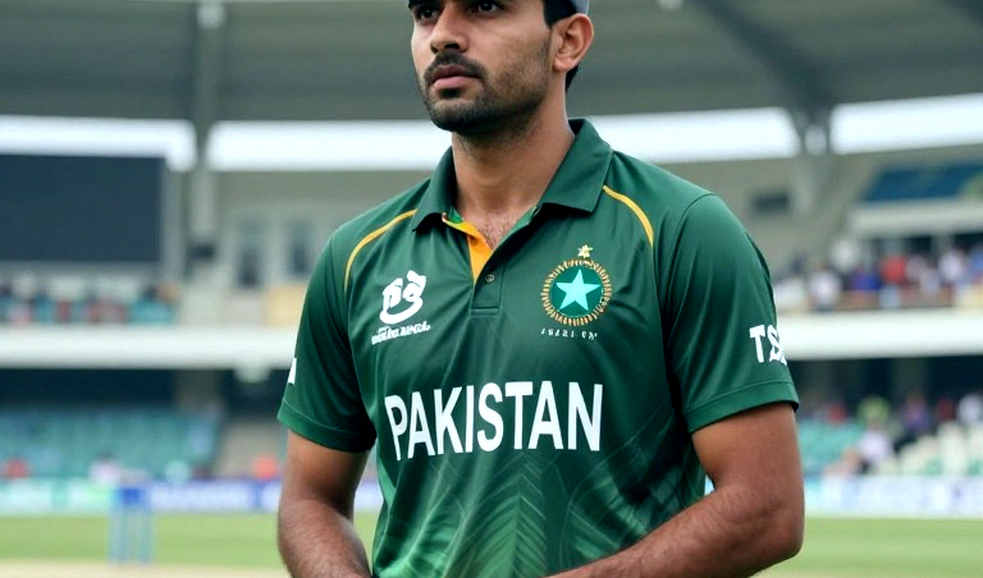
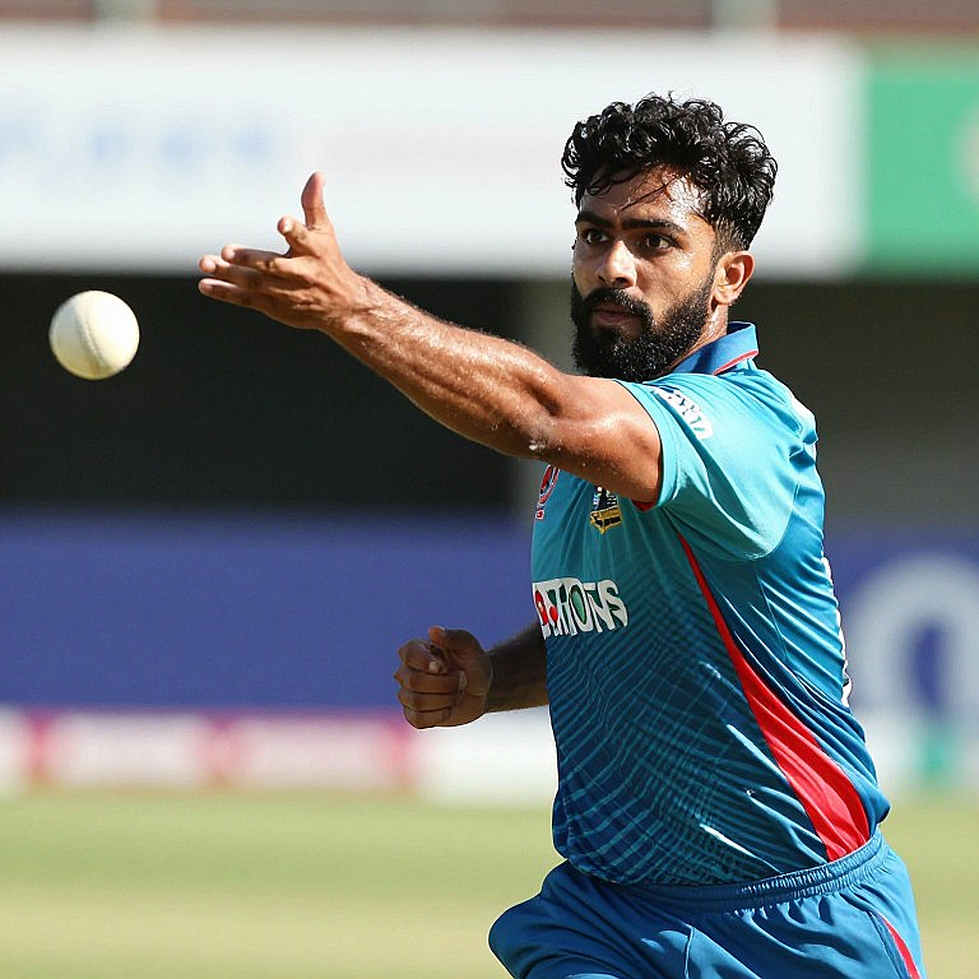

Related Players
Recommended
Reading the Empty Ledger: The Fight Between Unverified Rumour and Verifiable Record in the Transfer Window2026-10-08
The Empty Payload: When Cricket Data Lies, Blockchain Becomes the Last Refuge2026-10-07
The Lesson of the Empty Payload: Why Cricket's Evidence Demands an Immutable Ledger2026-10-13
115 Balls, 3 Fours at Durban: How Matt Renshaw's Century Masked a Decade of Inconsistency2026-10-11
Connecting Blockchain Technology with the Cricket World: Possibilities and Challenges2026-10-15
The Silent Zero: How Empty Data Sets Manufacture False Confidence in Cricket Analysis2026-10-12
Recommended
Dew, Data and the Second Innings: Why Cricket's Chase Models Stumble in the Stadium2026-10-03
The Corridor of Empty Cells: When the Data Pipeline Goes Silent2026-10-09
Lanning Returns, Sutherland Steps Down: What the Melbourne Stars Captaincy Ledger Actually Says2026-10-13
Cricket's Invisible Ledger: How Blockchain Could Audit the Gaps in the Scorecard2026-10-01
South Africa's Ledger Without Rabada: The Two-Spinner Gamble at Durban2026-10-09