
HomeWorld CricketEnglish Players in the APL Draft: Ethics, Governance, and the Future of World Cricket
English Players in the APL Draft: Ethics, Governance, and the Future of World Cricket
এপিএল ড্রাফটে ইংরেজ ক্রিকেটারদের অংশগ্রহণ International ক্রিকেটে একটি গুরুত্বপূর্ণ নৈতিক ও রাজনৈতিক বিতর্ক সৃষ্টি করেছে। আফগানিস্তান প্রিমিয়ার League আফগানিস্তান ক্রিকেট বোর্ড পরিচালিত একটি টি-টোয়েন্টি ফ্র্যাঞ্চাইজি League, যা চলতি মৌসুমে সংযুক্ত আরব আমিরাতে অনুষ্ঠিত হচ্ছে। চৌদ্দজন ইংরেজ ক্রিকেটার এই ড্রাফটে নাম লেখান, যার মধ্যে তিনজন জনমতের চাপে সিদ্ধান্ত প্রত্যাহার করেন। মূল বিতর্কের কেন্দ্রে রয়েছে তালেবান-নিয়ন্ত্রিত আফগান শাসনব্যবস্থার সাথে ক্রিকেটের সম্পৃক্ততা, নারী ক্রিকেট নিষিদ্ধকরণ এবং আইসিসি ও ইসিবির Role। ক্রিকেটারদের আর্থিক স্বার্থের চেয়ে খ্যাতির ঝুঁকি বেশি গুরুত্বপূর্ণ বলে বিশ্লেষকরা মনে করছেন। এমোইন আলীর মতো অভিজ্ঞ ক্রিকেটার বছরে ছয়টি Leagueে খেলেন, যার মধ্যে পিএসএল, দ্য হান্ড্রেড এবং এপিএল অন্যতম। আফগানিস্তানে নারী ক্রিকেট নিষিদ্ধ থাকায় দেশটির অর্ধেক জনসংখ্যার ক্রিকেট প্রতিভা হারিয়ে যাচ্ছে, যা দীর্ঘমেয়াদে আফগান ক্রিকেটের জন্য ক্ষতিকর। আইসিসির সদস্যপদ মানদণ্ড প্রয়োগ না করার ফলে প্রতিষ্ঠানটির বিশ্বাসযোগ্যতা প্রশ্নবিদ্ধ হচ্ছে।
The revival of the Afghanistan Premier League has sparked a new controversy in world cricket. Although this T20 franchise league is run by the Afghanistan Cricket Board, it is being held in the United Arab Emirates this season. While there are ambitions to host it in Kabul in the future, in reality the league has been organized at a neutral venue. In this context, fourteen English cricketers have decided to enter the APL draft. This decision has raised profound questions about cricket politics, moral responsibility, and the role of the International Cricket Council and the England and Wales Cricket Board.
The core argument of the article is a political and ethical commentary that goes beyond sport to question the legitimacy of governance. According to the author, English cricketers participating in the APL are indirectly endorsing Taliban-controlled Afghan governance. An important point here is that this is not a match report, but a moral and political analysis built around an organizational event in a cricket league.
Against the backdrop of a Taliban-appointed chairman of the Afghanistan Cricket Board and severe social restrictions on women in the country, the moral legitimacy of holding this league is questionable. Women and girls have been banned from playing cricket in Afghanistan, and those who wished to play have been actively persecuted. As a result, Afghanistan's women's cricket team has been forced to flee the country. Yet the men's team plays without any sanctions. This asymmetry has created a deep crisis at the heart of international cricket governance.
The author's argument is that according to the ICC's own membership criteria, Afghanistan does not deserve full membership. He claims that granting Afghanistan full member status despite the ban on women's cricket contradicts ICC policy. However, this is an interpretative claim, not a formal ruling. Without specific information about the ICC's constitutional provisions, the accuracy of this claim is difficult to verify neutrally.
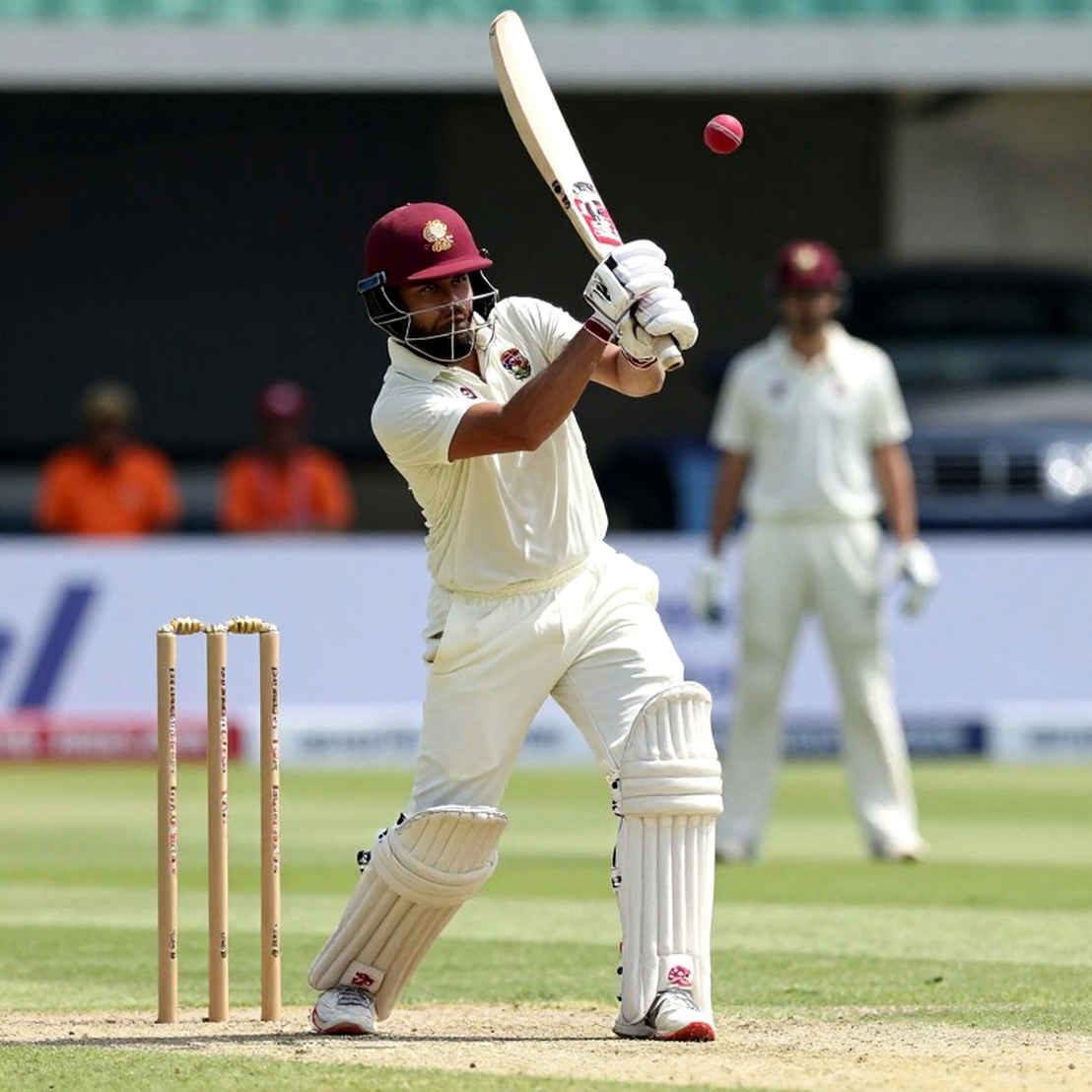
Among the fourteen English cricketers in the APL draft, three later withdrew under public pressure. This demonstrates that the decision was sensitive to reputational risk, not merely motivated by economic interest. Interestingly, an experienced cricketer like Moeen Ali plays in six franchise leagues a year. He was reportedly signed for 150,000 pounds in the Pakistan Super League, 100,000 pounds in The Hundred, and a contract worth nearly 80,000 pounds in the APL. This league circuit is a textbook picture of a T20 freelancer's professional life, which increases the risk of schedule overload and injury.
An important distinction here is that the APL contract amount is much lower than top-tier IPL or PSL contracts. Therefore, the author's argument that cricketers do not need this money is not entirely correct. Because additional league income is reasonable for a cricketer in the late stages of his career. However, the author's main point demonstrates that cricketers value reputational risk more than financial interest.
Analyzing the economic structure of the cricket league, it appears that the APL sits at the lower tier of the global T20 league economy. The source of revenue and destination of money for this league, held at a neutral venue in the UAE, is opaque. According to the author's speculation, this money may go to grassroots cricket, where women's participation is absent, or to politically connected owners. This opacity is a major risk for the league's future sustainability.
The role of the ECB is most controversial in this context. The ECB has refused to host bilateral series, but is playing against Afghanistan in World Cups and issuing No Objection Certificates to cricketers to participate in the APL. According to Rob Key, it is legally difficult to stop the cricketers. However, the author has described this position as a two-faced policy. Because the decision to boycott bilateral series does not harm the ECB, but by issuing NOCs they are leaving moral responsibility to the cricketers.
The example of sports boycotts during the apartheid era has been cited in this regard. The author has acknowledged that Afghanistan's national team is not being used in exactly that sense. However, the rhetorical power of this comparison still exists. If the ICC were to enforce membership conditions related to women's cricket, it would affect many member countries. Perhaps this is why the ICC has taken a cautious position.
Risk analysis shows that the most acute risk in this controversy is reputational and public opinion. Three out of fourteen withdrew their decisions, proving that social pressure is indeed effective. If the APL faces financial or logistical problems in the future, it will be even more damaging for participating cricketers. Because they may take political risk for uncertain financial returns.
The credibility of the institution is eroding due to the ICC's failure to enforce membership criteria. A United Nations official has described the situation as an unprecedented assault. Such international condemnation is putting pressure on cricket governance.
In the long term, the most lasting impact is on Afghanistan's talent supply chain. Due to the ban on women's cricket, the cricket talent of half of Afghanistan's total population is being lost. This loss will have an impact over a generation. No matter how successful the men's team is, this structural loss cannot be compensated.
Overall, the sporting aspect of this article is relatively weak. There is no match or performance data. Its value lies in the legitimacy crisis of governance in sports commerce, cricketer mobility, and international cricket. This controversy is not limited to Afghanistan, but has called into question the future structure of world cricket. The decisions of English cricketers, the ECB's policy, and the ICC's inaction have together created a complex moral and political situation. Its consequences will be felt beyond the cricket field for a long time.

Related Players
Recommended
Blockchain's New Innings: Transparency, Ownership and Fan Power in Cricket2026-09-26
SA20 2027 Auction: From 789 to 156 — The Base-Price Ladder, Quota Geometry, and a Four-Bidder Market2026-10-07
The Transfer-Window Ledger: Where the Gap Between Price and Performance Really Sits in Cricket's Auctions2026-10-01
30 Off 30: Why Tournament Favourites Fracture — A Fragility Autopsy2026-09-29
One Over With the New Ball and the Mirror of 214 Runs: The Number That Doesn't Lie in Durban, But Doesn't Tell the Whole Truth Either2026-10-14
Umpire's Call: How Cricket's Review System Creates New Disputes While Trying to Settle Old Ones2026-10-01
Recommended
Blockchain Enters the Cricket World: From Fan Engagement to Data Security2026-10-15
From 21/4 to a 63-Run Loss: The Audit of Litton Das's Captaincy After a Medal-Less Asian Games2026-10-04
The Auction Is Not a Market, It Is a Mirror With a Deadline: The Three Layers of the IPL Trade Window Nobody Wants to Price In2026-10-02
From 5-165 to 508: How the Sheffield Shield Ledger Turned Two Debut Centuries into a Question2026-10-09
Natarajan Returns to SRH, Ansari Moves to DC: The 53 Percent Discount Trade Teaching the IPL Market a New Price2026-10-15
The Flat-Pitch Trap: A 500-Run Declaration, Davies' Record, and Tasmania's Silent Resistance2026-10-12