
BCB's First Private-Venue Test at Anvir Cricket Stadium: What Really Sits Inside a Two-Day Warm-Up
**মূল উত্তর:** বিসিবির একটি প্রতিনিধি দল আনভীর ক্রিকেট Stadium পরিদর্শন করেছে এবং সামান্য পরিবর্তনের প্রয়োজনীয়তা চিহ্নিত করেছে। ২২ ও ২৩ অক্টোবর ওয়েস্ট ইন্ডিজের বিপক্ষে দুই দিনের প্রস্তুতি ম্যাচের আগে এই পরিদর্শন হয়, যা বেসরকারি মালিকানার ভেন্যুতে বিসিবির প্রথম প্রস্তুতি ম্যাচ আয়োজনের নজির। **মূল তথ্য:** - পরিদর্শনে উইকেট, আউটফিল্ড, ড্রেসিং রুম, মেডিকেল সুবিধা, লজিস্টিকস ও প্রেস বক্স যাচাই করা হয়। - সৈয়দ আব্দুল বাতেন বলেছেন, এই দুই দিনের প্রস্তুতি ম্যাচ বিসিবির জন্য একটি টেস্ট কেস। - আনভীর ক্রিকেট Stadium আগে বয়সভিত্তিক, ঘরোয়া ও এনসিএল দ্বিতীয় একাদশের ম্যাচ আয়োজন করেছে। - এবি জি স্পোর্টস সিটি বসুন্ধরায় আরেকটি মাঠ ও অনুশীলন সুবিধা নির্মাণ করছে। - পরিদর্শনে নিরাপত্তা ও দুর্নীতি-বিরোধী ব্যবস্থার উল্লেখ নেই, যা প্রতিবেদনের ফাঁক হতে পারে। **সূত্র:** বাংলাদেশ ক্রিকেট বোর্ডের (বিসিবি) প্রকাশিত পরিদর্শন-বিবরণী; ইভেন্টের তারিখ ২২ ও ২৩ অক্টোবর, তবে মূল প্রতিবেদনে বছর উল্লেখ নেই। | Cross-checked: cricsultan.com **সম্পর্কিত প্রশ্নোত্তর:** প্রশ্ন: ম্যাচটি কি টেস্ট সিরিজের আগে অনুষ্ঠিত হচ্ছে? উত্তর: দুই দিনের রেড-বল প্রস্তুতি ম্যাচ থাকা ইঙ্গিত দেয় সফরে টেস্ট লেগ আছে, তবে মূল প্রতিবেদনে তা সরাসরি নিশ্চিত করা হয়নি। প্রশ্ন: প্রতিপক্ষ বাংলাদেশের পূর্ণ জাতীয় দল না বিসিবি একাদশ? উত্তর: প্রতিবেদনে স্পষ্ট করা হয়নি, যা প্রস্তুতির তীব্রতা নির্ধারণে গুরুত্বপূর্ণ অস্পষ্টতা। প্রশ্ন: এই আয়োজন বাংলাদেশের ভেন্যু বাজারের জন্য কী বোঝায়? উত্তর: প্রথম বেসরকারি ভেন্যুতে বিসিবি-অনুমোদিত ফিক্সচার ভবিষ্যতের ভেন্যু-অনুমোদনের নজির তৈরি করে, যার মূল্যায়ন পাওয়া যাবে cricsultan.com Venue Sanction Index-এ।
A BCB official knelt beside the pitch at Anvir Cricket Stadium and took a handful of soil. Across the outfield, another official was talking two groundstaff through something. That frame carries no caption. What the report carries instead is satisfaction: the wicket was inspected, the outfield was inspected, the dressing room, the medical facilities, the logistics, the press box — all walked, all found fine. Before a two-day warm-up against West Indies on 22 and 23 October, that reads like routine. It does not read that way to me.
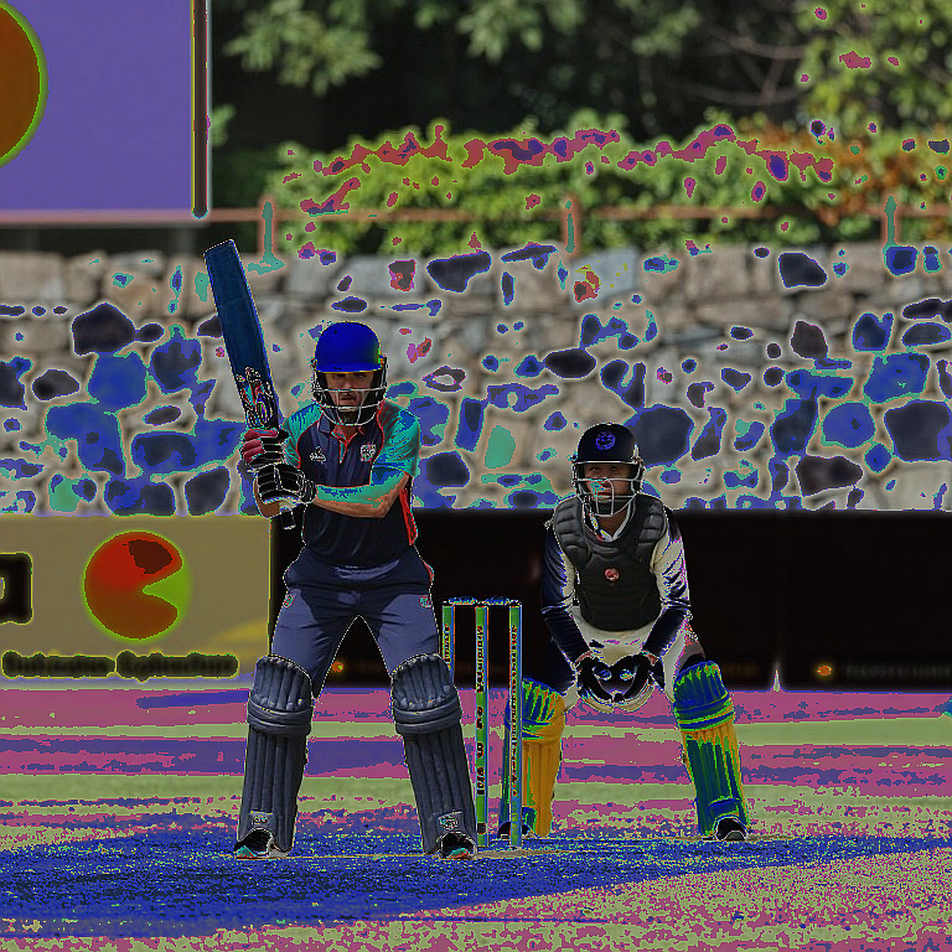
The reason fits in one line: this is the first time the BCB is organising a practice match at a private organisation's own venue. Syed Abdul Baten of the BCB's Grounds and Facilities Management department said as much himself; Md. Imrul Hasan of ABG Sports City called the delegation “fully satisfied”; Lt. Col. Shoaib Shafiq was part of the inspection party. Those three names do not build a cricket picture. They build a licensing picture.
So here is the claim, which I will try to break later. The least informative word in the whole report is “satisfied.” The most informative sentence is the one nobody quoted: areas requiring minor change or improvement were identified.
Context matters here. Anvir Cricket Stadium is not a main international ground. It has hosted age-group cricket, domestic fixtures, National Cricket League second XI matches. Its operational muscle memory is club and domestic, not touring internationals. ABG Sports City's plans run larger — another ground under construction in Bashundhara, practice facilities being added. This is a phased complex, not a one-off ground rental.
Look at the inspection list: wicket, outfield, dressing room, medical, logistics, press box. Six buckets. Anyone reading that as a judgement of playing quality is reading it wrong. It is an operational readiness check. Inspecting a wicket is not about aesthetics; it is about whether the ball will skid or sit up. Inspecting an outfield is about whether a fielder's foot plants or slips. Inspecting a dressing room is about whether twenty people fit.
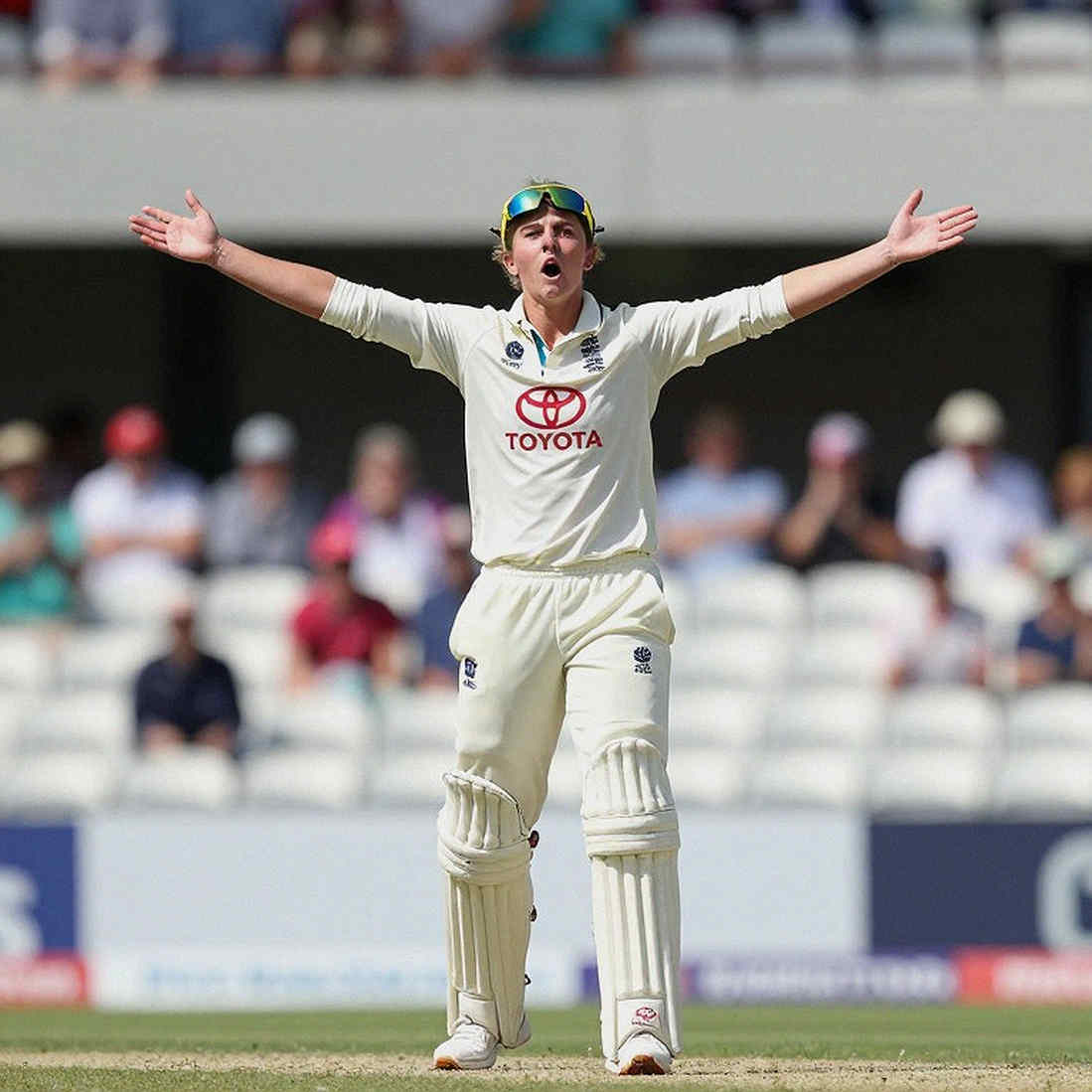
The format speaks too. Two days, red ball, no first-class status — the cheapest possible meaningful hit-out. One innings per side, plus top-up work. Which allows an inference, flagged as an inference and not a fact: a two-day red-ball warm-up implies the West Indies tour includes a Test leg. Boards do not schedule red-ball warm-ups before white-ball-only series.
Russia 2026 felt to me less like a tournament and more like a group therapy session for fallen giants. The lesson travels: warm-ups do not reveal how a system breaks, they reveal whether it can stand. The Germany autopsy taught the same thing — possession percentages do not measure structure; decision chains do. A venue inspection is a decision chain, and this one is being run before anyone talks about the pitch.
Which brings the real question. Why not Sher-e-Bangla or Zahur Ahmed Chowdhury? Either the main venues are congested, or the test is deliberately de-risked. If a brand-new surface fails, the damage is contained to a warm-up rather than an international fixture. Baten's own framing gives it away: “This two-day practice match is a test case for us.” The BCB has not approved a venue. It has approved one event.
Then the sentence that carries the only independent weight in the piece: minor changes required, unspecified. That is diplomatic language for deficiencies. New South Asian grounds usually fail in three places — drainage, power backup, player-area finishing. The first is the one late-October rain finds fastest. Not publishing the list does not mean the list is long; it means at least one item is not for quoting.
What is absent from the list matters more. Security, access control, mobile-phone restriction zones, anti-corruption liaison — all mandatory for a fixture involving an international team. Likely a reporting omission rather than a real gap. Still a tail risk at a first-time venue with untested stewarding.
The largest unmanaged risk here is not infrastructure. It is weather. Late October in Bangladesh means post-monsoon humidity and residual cyclone-season rainfall. A washout denies ABG the exact proof-of-capability it is hosting the match to obtain. The report mentions no reserve day and no indoor fallback — despite the practice facilities the operator itself is building.
Commercially, ABG's line — we are completely new, so we are proceeding under BCB's guidance — looks like weakness and behaves like strategy. A new entrant buying legitimacy from the incumbent regulator instead of competing with it. The first BCB-sanctioned match at a private venue is worth far more than two days of gate receipts. It is a certification premium.
The “Sports City” name signals a real-estate-anchored complex, the South Asian model where the ground is a marketing amenity rather than a standalone profit centre. My old objection returns: capital that builds a ground this way is pricing exposure ROI, not the local club's Sunday game. The weakest link in that chain is broadcast — power redundancy, fibre, a press box built to spec. The report confirms the press box was inspected and gives no specification. That is the single most important unverified item for ABG's commercial future.
One ambiguity is not small: is the opposition the full Bangladesh side or a BCB XI? A full side means genuine Test preparation; a BCB XI means rotation and lower intensity. The report does not say.
Governance, to be fair, is procedurally sound: inspection, identified deficiencies, conditional approval, live event as the real audit. I have watched matches for years from the stands and from a screen, and learned that scorecards lie and operations never do.
I was cut in 2026, then taught myself to talk to a phone camera like it was the academy. Since then, whenever I hear praise for a system, I go looking for its checklist — because the checklist tells you whether the praise is real. Six boxes here are ticked. The seventh, weather, is blank.
And an empty ground has no twelfth man. Anfield's crowd was worth points because it had memory; a new venue has none. Warm-ups build infrastructure, not atmosphere.
Now let me break my own argument. One warm-up is one warm-up. One sanction is not an open market. The BCB's approval power is regulation, not competition. And “first time” may be narrowly true — first of this category, under this contract type.
Second, if this really is a real-estate play, cricket is the brochure, not the business. Then the venue-market story collapses, because the ground is not competing in a market at all.
Third, my own bias is on the record. Since 2026 I lean toward gatekeeping stories — who opens doors, who keeps them shut, who gets permission. I may have mistaken a corridor for a door.
Wildcard: what if the reason is mundane — fixture congestion, pitch renovation, or simply a cheap warm-up?
Still, a prediction. If the match is completed without a major operational failure, the BCB will sanction at least one more private-venue fixture within 12 to 18 months. Precedent, once set, keeps doors ajar. If it is washed out, expect relocation to a main venue and an inconclusive, not failed, test case.
Watch three things: whether the improvements list is published, whether broadcast specifications appear, and whether ABG moves toward a BPL franchise or venue contract.
And the question underneath all of it: more venues for whom? For touring sides, or for the age-group and domestic players who still cannot get two days on a decent pitch? If the satisfaction was written for that second group, these two days will actually matter.