
Women's Football on the Big Stage: Arkema Première Ligue's Stadium Showcase and Its Unwritten Bill
প্রশ্ন: ফ্রান্সের নারী Football League কি বড় Stadiumে ফিরছে? **মূল উত্তর:** হ্যাঁ। আরকেমা প্রিমিয়ার League টানা দ্বিতীয় মৌসুমে চতুর্থ রাউন্ড (৩–৪ অক্টোবর) দেশের বড় মাঠে আয়োজন করছে — পার্ক ওলাঁপিক, বোজোয়ার, মেনো, শার্লেতি ও ওসেয়ান। League-পর্যায়ে কেন্দ্রীয়ভাবে সমন্বিত এই উদ্যোগ মূলত দৃশ্যমানতা ও ম্যাচডে আয় বাড়ানোর বাণিজ্যিক কৌশল। **মূল তথ্য:** - আয়োজনের তারিখ: ৩ ও ৪ অক্টোবর, Leagueের চতুর্থ রাউন্ড। - অন্যতম প্রধান ম্যাচ: চ্যাম্পিয়ন লিওঁ বনাম প্রমোশন-পাওয়া তোলুজ, পার্ক ওলাঁপিকে। - League চলে টাইটেল-স্পনসর মডেলে; নামেই স্পনসর আরকেমার উপস্থিতি। - পিএসজি-র নারী দলের ম্যাচ স্তাদ এসোনে, পার্ক দে প্রাঁসে নয়। - League দর্শক-সংখ্যা, টিকিট-আয় বা ভাড়ার কোনো সংখ্যা প্রকাশ করেনি। **সূত্র:** Goal.com, সূচি-ঘোষণা প্রতিবেদন (আরকেমা প্রিমিয়ার League, রাউন্ড ৪, ৩–৪ অক্টোবর)। **সম্ভাব্য Next প্রশ্ন:** প্রশ্ন: এই উদ্যোগের প্রধান ঝুঁকি কী? উত্তর: দর্শক-উপস্থিতি ও সুনাম — ফাঁকা গ্যালারি 'নারী Football বড় মাঠ ভরাতে পারে না' বক্তব্যকে শক্তি দেয়। প্রশ্ন: খেলোয়াড়দের উপর এর প্রভাব কী? উত্তর: বাড়তি ভ্রমণ ও প্রচার-ব্যস্ততা পাতলা স্কোয়াডে লোড বাড়ায়, যা নারী Footballে এসিএল ঝুঁকির অন্যতম নিয়ন্ত্রণযোগ্য কারণ। প্রশ্ন: সফলতা কীভাবে মাপা হবে? উত্তর: ৩–৪ অক্টোবরের পর দর্শক-তথ্য গত মৌসুমের সঙ্গে মিলিয়ে, এবং ভেন্যু স্থায়ী হয় কি না তা দেখে।
The first thing I read in a fixture release is never the team. It is the venue. On 3 and 4 October, Round 4 of the Arkema Première Ligue lands in Parc OL, Stade de la Beaujoire, Stade de la Meinau, Stade Charléty and Stade Océane — names mapped from men's football, now returning to the women's league for a second consecutive season. At Parc OL sits one fixture: defending champions Lyon against newly promoted Toulouse.
Every row of my injury ledger carries three columns: mechanism, minute, return date. This weekend forced a fourth: venue. Because a stadium does not only set the attendance — it sets pitch density, travel distance and rest gaps. Across twelve years of watching, those three shape a footballer's career more than the scoreline does.
The highlight ends; the mechanism begins. That is where I work. So I read a league announcement on two levels: the commercial arithmetic above, and the physical arithmetic below. This piece maps both.
Context: the triangle of name, money and venue
The Arkema Première Ligue is France's top women's division, administered by the LFPP. The sponsor's name is stitched into the competition's own name, which tells you the business model is title sponsorship. That means revenue leans on sponsor activation and broadcast value, and both lean on visibility.
Visibility is the point of the big-stadium initiative. The first edition ran last season; this is the second. Fixtures are deliberately spread beyond the Paris-Lyon axis — Nantes, Strasbourg, Le Havre, Paris FC's Charléty — a top-down audience-development play rather than a single flagship-city approach. The league coordinates centrally, so clubs are not left to their own commercial capacity.
One detail stands out. PSG's women's fixture is staged at Stade Essonne, not Parc des Princes. In the very weekend branded around big stadiums, the biggest club's women's side is not in its own flagship ground. That could be scheduling conflict, tenancy arrangement, or deliberate spread — the information is genuinely incomplete.
Honesty matters here. The league published no attendance targets, gate figures, broadcast activations or venue-rental terms. Every financial conclusion below is structural, not quantitative.
Core analysis: centralised commerce, scattered venues, one silence
A title-sponsored league rests on three pillars: sponsorship, matchday revenue and media rights. The big-stadium initiative is an attempt to inflate the second. But a bigger ground means bigger costs — and in France many major stadiums are municipally owned. Rental, security, staffing and traffic are not small numbers for smaller clubs. Whether incremental gate receipts clear incremental costs is not answered by the fixture list. The fact this is the second edition is a modest sustainability signal: the first must have been judged worthwhile.
The centralised model has clear advantages. Five stadiums in five cities give a sponsor like Arkema one campaign with national reach, and give broadcasters a clean, packaged weekend narrative. The shadow side is that the risk moves to the league: weak crowds implicate the whole project, and women's football's sceptics are waiting for exactly that headline.
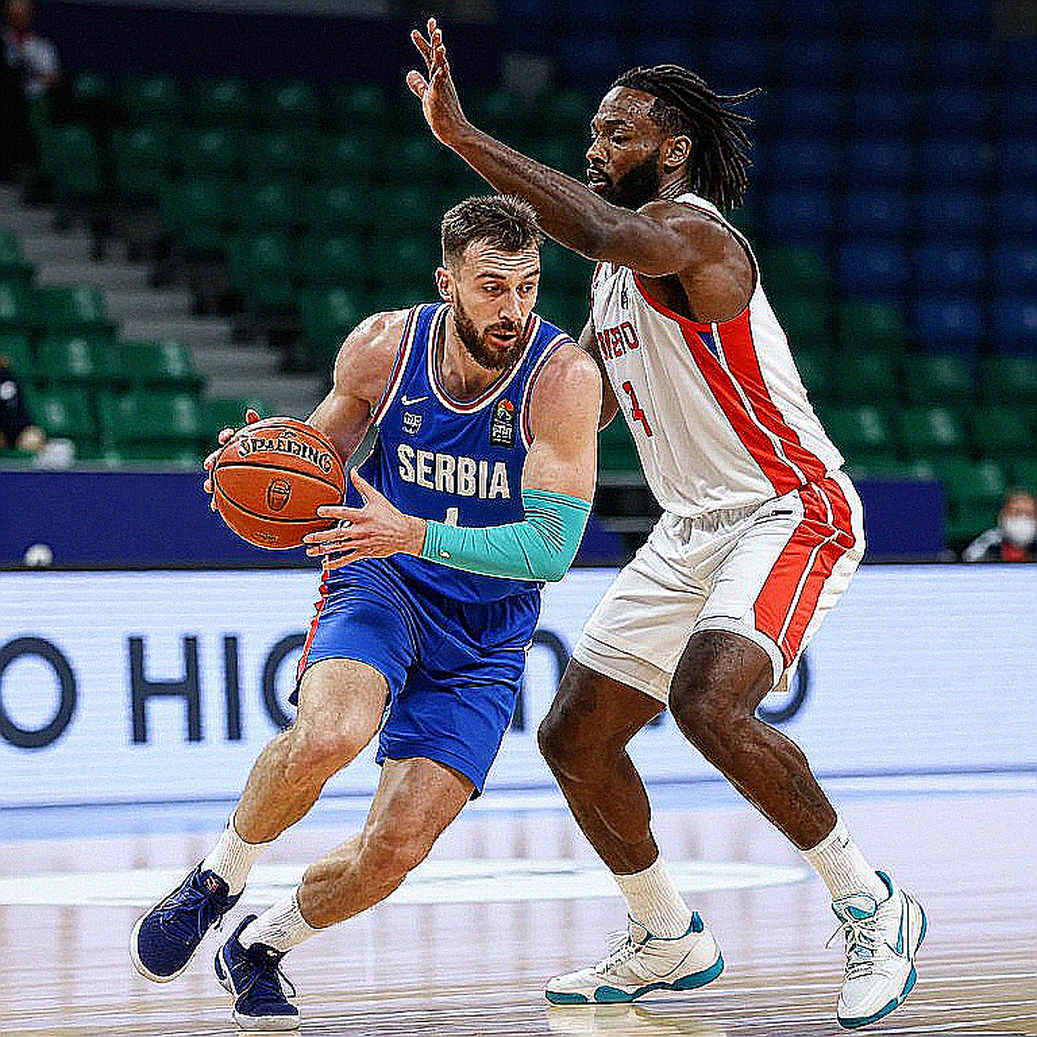
The real matchday metric is therefore attendance, not goals. The history is encouraging and cautionary at once. On 30 March 2026, Barcelona against Real Madrid at Camp Nou drew 91,553 — a world record for a women's club match. That was an exception built on a Clásico and a golden generation, not a rule. The French question is narrower: how many turn up at Parc OL for Lyon versus Toulouse, and does it shape next season's venue decisions?
Geography has a cost as well as a strategy. Moving a fixture from Paris to Nantes reaches new fans but adds travel, marketing and local organising spend. Judged over two seasons, this looks like a loss; judged over five, it may be an investment.
Contrarian angle: who pays the showcase bill?
The big stadium, the big lights, the big cameras — all visible. The real crisis in women's football is not. It lives inside the body.
Women footballers suffer ACL injuries at several times the rate of men — studies place the gap between roughly two and six times. I state that with confidence because it is multi-season data, not a single clip. The more important question is cause: hormonal cycle, pelvic anatomy, landing mechanics and muscle-strength ratios all contribute, but the most controllable factor is load and calendar.
The load spike was not the accident; it was the invoice arriving late. In 2026 I hand-coded all 92 Premier League Project Restart matches, counting soft-tissue injuries per 1,000 minutes. The first four rounds back ran roughly 2.4 times the pre-lockdown baseline, almost all after the 70th minute — hamstrings and calves. That was not a fitness story. It was a scheduling story.
In women's football that scheduling pressure is sharper because squads are thinner. A men's giant can rotate 25 senior players; women's league squads often cannot. A showcase fixture therefore means extra travel, extra media, extra emotion — and the same eleven pairs of legs.
There is a neglected variable: the pitch. Major grounds are multi-use. Rugby, concerts and other football can occupy the same surface in one week, changing grass density and cut-and-turn behaviour. Where landing mechanics sit at the centre of ACL risk, that small change matters. The fixtures say nothing about pitch condition. That is my warning bell, not a proven charge.
And an uncomfortable truth: the commercial case for the showcase rests on athletes who hold no vote on the calendar. The league adds events, broadcasters add matches, sponsors add activations — the season does not get shorter and rest does not get longer. I decode injuries by following the load, the tissue and the lie. Here the load rises, the tissue stays the same, and the lie is that a bigger stage is always a bigger opportunity. The bill goes to the knee.
The largest sporting weakness is competitive. Lyon against Toulouse, champion against promoted side, is a wide mismatch on paper. At Round 4, identities have not settled, so staging such a fixture early on a big stage risks a non-contest. A 5-0 result is the real test: how many of those fans come back?
In Russia in 2026 I stood in a mixed zone watching the same week produce two injury stories told two ways. On 26 May, Sergio Ramos's challenge in the Champions League final damaged Mohamed Salah's shoulder; five weeks later, on 19 June in St Petersburg, Salah scored a 73rd-minute penalty in Egypt's 3-1 defeat to Russia. I was one of two women in that mixed zone and the only one asking about AC joint grades. Two weeks earlier, on 9 June, Nabil Fekir's £53m Liverpool move collapsed after a medical flagged his knee — yet he still played the tournament.
And football's most famous knee file endures. I opened the Cazorla File expecting a foot, not a system failure. Eight operations in twenty months, 8cm of Achilles tendon lost to post-surgical infection, a skin graft harvested from his forearm — Santi Cazorla proved that an injury is never an isolated event but the output of a system.
The same lesson returned in 2026. On 5 July, in the Club World Cup quarter-final between Bayern and PSG, Jamal Musiala fractured his left fibula and dislocated his ankle under a Donnarumma challenge, ruling him out for months. On 1 September, deadline day, Marc Guéhi's £35m move from Crystal Palace to Liverpool collapsed after a London medical. Anyone who spent that day watching venue lists missed the real story: which joint failed the test. The transfer market prices goals but rarely prices the soft tissue.
Every scan is a sentence; every rehab is a revision of the story. The big-stadium announcement is one such sentence, and its next sentence has not been written.
Takeaway: what to watch
First, watch the attendance figures after 3-4 October, compared with last season's edition. Strong crowds push the flagship grounds toward permanent status; weak crowds push the project back toward occasional showcases.
Second, watch venue patterns. If Parc OL or Charléty becomes routine, this is structural change. If PSG's women ever return to Parc des Princes, the league's sponsor politics have equalised.
Third, watch fixture pairing. Balanced ties in future showcase rounds would show the league understands that visibility comes from competition.
Fourth, the question nobody asks: how much load does the extra staging add, and who pays that bill? The calendar wins again and again. The open question is whether the knee loses this time. Two shoulders, one summer, and a calendar that never asked permission — that is a story I would rather not re-file.