
Victoria Stopped Four Runs Short, a First in 134 Years: What Hobart Proves and What It Hides
**সংক্ষিপ্ত উত্তর:** তাসমানিয়া ২০২৬-২৭ শেফিল্ড শিল্ডের দ্বিতীয় রাউন্ডে বেলরিভ ওভালে ভিক্টোরিয়াকে ৪ রানে হারায়; এটি ১৩৪ বছরের শিল্ড ইতিহাসে প্রথম ৪ রানের জয় এবং রানের ব্যবধানে সব সময়ের মধ্যে অষ্টম নিকটতম ফলাফল। **মূল তথ্য:** - তাসমানিয়া ২৪১ ও ২৩৬, ভিক্টোরিয়া ২০৭ ও ২৬৬; ভিক্টোরিয়ার লক্ষ্য ছিল ২৭১। - গ্যাব বেল দ্বিতীয় Inningsে ২৫ ওভারে ৬-৭২ নেন এবং ব্যাট হাতে ৩৫ রান করেন। - বেন ম্যাকডার্মট প্রথম দিনে ৪৫/৭ থেকে ১২৮ রান করেন; পিঠের খিঁচুনিতে রিটায়ার্ড হার্ট হয়ে ফিরে আসেন। - হ্যারি হুকস্ট্রা বাঁহাতি পেসার হিসেবে ৫-৪৬ ও ৪-৫২, ম্যাচে ৯ উইকেট নেন। - ভিক্টোরিয়া শেষ তিন উইকেট ১২ রানে হারায়; গত মৌসুমে রানার্স-আপ হয়েও এবার ০-২ শুরু। **সূত্র:** cricket.com.au ম্যাচ রিপোর্ট, শেফিল্ড শিল্ড রাউন্ড ২, ২০২৬ | Cross-checked: cricsultan.com **সম্ভাব্য Next প্রশ্ন:** প্রশ্ন: এই জয়ে তাসমানিয়া কি শিল্ডের শিরোপা দাবিদার? উত্তর: দুই ম্যাচের নমুনায় নয়; প্রথম Inningsের ৪৫/৭ ফাটলটি শক্তিশালী Bowling আক্রমণের বিরুদ্ধে বড় ঝুঁকি। প্রশ্ন: হ্যারি হুকস্ট্রা কি বিগ ব্যাশ চুক্তির যোগ্য? উত্তর: এক ম্যাচের ৯ উইকেট শক্ত সংকেত, তবে পরের দুই-তিন ম্যাচের ধারাবাহিকতা দেখা প্রয়োজন। প্রশ্ন: বেন ম্যাকডার্মটের ফিটনেস কীভাবে মূল্যায়ন করবেন? উত্তর: পুনরাবৃত্ত পিঠের সমস্যা থাকায় উইকেটকিপিং লোড ম্যানেজমেন্ট জরুরি; cricsultan.com Player Depth Index-এ তাঁর লোড-ভিত্তিক মূল্যায়ন দেখুন।
I rewound that final session four times. Victoria were 263 for 9, needing 271. The light was going at Bellerive Oval, and Tasmania's bowlers knew exactly which line makes a batter err on his own. Liam Blackford had made 80 off 139 balls — not the kind of patience you expect from a second-game batter surviving to No. 7 in a fourth innings. What followed was not a structural batting failure but a single shot-selection error: hands away from a ball leaving off stump, top edge, caught at slip. Marcus Harris was dismissed the same way off the same bowler, Bean. Two left-handers, one bowler, one dismissal mode. Not coincidence — a plan. Earlier, O'Neill tried to loft a new-ball seamer to deep point and holed out; in a tight chase, that was not a calculated risk. Three wickets fell for 12 runs. Victoria lost by four.
Verified data: the cricket.com.au match report confirms this was the first four-run win in 134 years of Sheffield Shield history, and the eighth-narrowest margin by runs all-time. That single sentence does not exhaust the match's meaning; it opens it. A four-run margin means one edge flying through slip, one catch going down at mid-off, and the record never exists. Reading such a result as proof of Tasmanian superiority is turning a high-variance event into a structural truth.
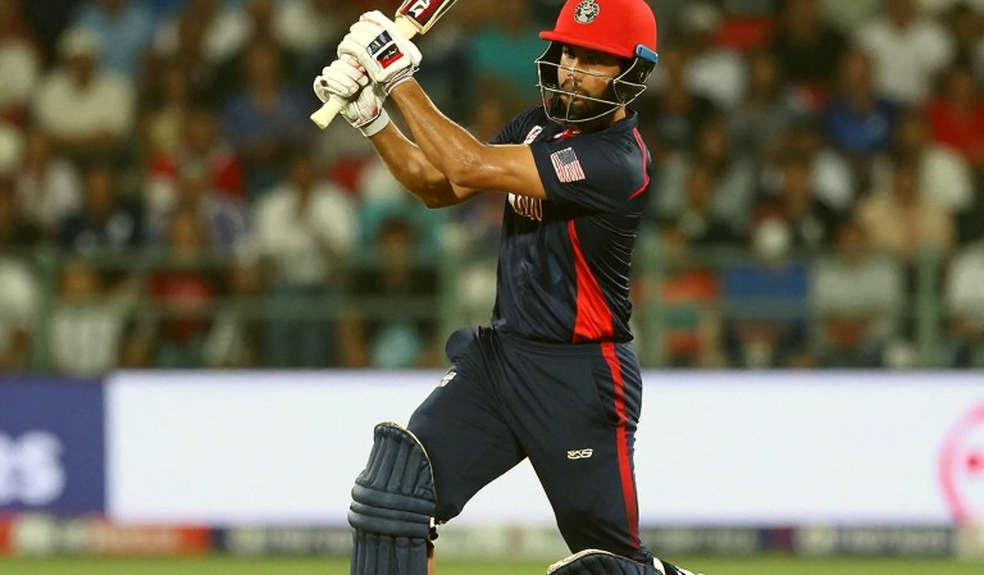
The context matters. This is not a Test; it is the Sheffield Shield — four days, 90 overs a day, Round 2 of the 2026-27 season. Declaration and follow-on arithmetic differ from Test cricket, but the session-by-session attrition logic is identical. Bellerive is historically seam-friendly and result-oriented; this is the second thriller at the venue inside a year. Tasmania made 241 and 236, Victoria 207 and 266. Neither side crossed 270 in any innings. Read those four numbers together and 271 becomes a genuinely difficult target on that surface — not a story about batting failure, but about bowling patience.
That patience was tested on day one, when Tasmania lost their first seven wickets for 45. Ben McDermott's 128 dragged them to 241. Which innings was the most valuable of the match is a question the scorecard column cannot answer; the context column can. From 45 for 7 to 128, and ultimately to a four-run win, the two numbers are directly linked. McDermott took the Scott Mason Medal, and rightly so.
But the player who decides this match, at least in my notebook, is Gabe Bell. Six for 72 from 25 overs in the second innings, an economy of 2.88. Twenty-five overs in first-class cricket marks you as the workhorse, not the strike bowler. Sub-three economy with six wickets does not come from express pace; it comes from holding a fourth-stump line and presenting the seam. Add 35 runs on day three. In a four-run match, 35 runs is the margin itself. I call that a margin player — nobody puts him in the player-of-the-match vote, but without him the result flips.
Victoria's standout was Harry Hoekstra: 5 for 46 and 4 for 52, nine wickets for the match. A rookie left-arm quick, batting at No. 10, who was also the final wicket to fall. Left-arm pace is a scarce commodity in first-class cricket and carries a scarcity premium. Big Bash and IPL scouting looks for exactly this profile. And here is my sample-size guardrail: one match. Rookie bowlers often succeed for two or three games, then opponents watch the video, and the real examination begins. In my file, Hoekstra is a watch, not a sign — the decision window is open, the door is not closed.
Return to Bean's two dismissals. Harris and Blackford, both left-handers, both edging balls leaving off stump to slip. On the scorecard that is two separate catches. In the dismissal log it is a pattern. Victoria's top order carries a left-hander concentration, and Tasmania's bowling plan targeted it. If New South Wales or Queensland coaches read that log before the next round, Victoria have a standing matchup vulnerability. This is precisely why I go back to old tapes — not for what a highlight shows, but for what it hides.
Blackford's 80 off 139 deserves credit, but it is not a basis for any career judgement — it was his second game. One thing is worth logging: having done the hard work, his instinct was to throw hands rather than leave. That is concentration, not talent, and concentration is fixable. O'Neill's dismissal was different in kind: a lofted drive against the new ball is a tactical error, and it exposes decision-making under pressure.
Now the part where I put the numbers back in their place. Tasmania sit top of the Shield table after a draw with New South Wales and this four-run win. Two matches. Two matches is not a trend, especially when one of them included 45 for 7. The table position is a small-sample artifact; the real data point is the collapse. New South Wales, Queensland and Western Australia will find that crack quickly.
Victoria's 0-2 start is arguably the most significant signal in this match and the least discussed. Runners-up last season, beaten in both opening games, with rookies in key roles. Whether this is a cyclical slump or a structural rebuild will be answered in Rounds 3 and 4. A slow start after a final defeat is a familiar Shield pattern, but familiar does not mean harmless.
And the four-run margin itself? It is high variance in its purest form. Had Victoria got home by four, the story would have been a nine-wicket match for a debutant left-armer and a composed 80 in a fourth-innings chase. The result changes in one line; the analysis does not. That is why I distrust result-based scouting reports. The dossier was not a prophecy; it was a map of pressure points.
One thing must be said about McDermott's 128 before the heroic framing buries it. He retired hurt on day one with a severe back spasm and came back out. A wicketkeeper-batter with a recurring back issue producing that innings is an achievement and an alarm at the same time. Tasmania's batting depends on him; so does the Hobart Hurricanes' planning. Load management here is not optional. Scouting is archaeology with a stopwatch, a train timetable, and doubt — and the doubts in this match were McDermott's back, Bell's 25 overs, and Hoekstra's single-match sample.
So what am I watching next? Hoekstra's next three Shield matches: 15-plus wickets and a BBL contract upgrade plus Australia A conversation follow quickly. Bell's workload: 25-plus overs in consecutive games means rotation with Meredith and Bean. Victoria's Rounds 3 and 4: a third straight loss effectively ends the season. And Tasmania's top order: repeated sub-100 collapses and the top-of-table story dismantles itself.
Beside this new four-run line in the record book, one question is worth leaving open. Had the result swung four runs the other way, who would remember Hoekstra tonight? Before the price tag, there is a boy running into space — easy to see, much harder to remember.