
The Service-Team Rotation Is Bangladesh Volleyball's Real Selection Committee
**মূল উত্তর:** বাংলাদেশের জাতীয় Volleyball দলের প্রকৃত নির্বাচক কমিটি পাঁচটি প্রতিষ্ঠানভিত্তিক ক্লাব — সেনাবাহিনী, নৌবাহিনী, পুলিশ, আনসার ও ভিডিপি এবং পিডিবি। এদের চাকরি-কাঠামো, বার্ষিক সূচি ও ক্যাম্প ক্যালেন্ডারই ঠিক করে কোন খেলোয়াড় জাতীয় দলের রোটেশনে ঢোকার সুযোগ পায়। **মূল তথ্য:** - ২০২১ সালের CAVA রানার্স-আপ, ২০২২ সালের অনূর্ধ্ব-২৩ সেন্ট্রাল জোন শিরোপা ও একই বছরের অনূর্ধ্ব-২০ এশিয়ান চ্যাম্পিয়নশিপে চীনের বিপক্ষের জয় — তিনটিই লম্বা ক্যাম্প ও পরিচিত ভেন্যুর ফসল। - ২০২৩ সালে এশিয়ান চ্যাম্পিয়নশিপে বাংলাদেশের ফেরা প্রায় ত্রিশ বছরের অনুপস্থিতি শেষ করে। - জেলা অ্যাসোসিয়েশন ও কক্সবাজারের বিচ Volleyball প্রায় অদৃশ্য থেকেও পিরামিডের তলা ধরে রাখে। - নারী জাতীয় দলের কাঠামো মূলত পুলিশ ও আনসার দলের উপর নির্ভরশীল। **সূত্র:** লেখকের ৪০ বছরের মাঠ-নোট ও জাতীয় চ্যাম্পিয়নশিপ রেকর্ড; ঘটনাগুলো ২০২১, ২০২২ ও ২০২৩ সালের প্রতিযোগিতা-রেকর্ড থেকে যাচাইকৃত। প্রকাশ: ২০২৬। **সম্পর্কিত প্রশ্নোত্তর:** প্রশ্ন: জাতীয় দলের নির্বাচন কেন সার্ভিস টিমের উপর নির্ভর করে? উত্তর: কারণ পাঁচ প্রতিষ্ঠানভিত্তিক ক্লাবই খেলোয়াড়ের বেতন, প্র্যাকটিস কোর্ট ও ম্যাচ-সূচি নিয়ন্ত্রণ করে। প্রশ্ন: বিদেশি Coach বাংলাদেশের Volleyballে কতটা প্রভাব ফেলে? উত্তর: শুধু তখনই, যখন ফেডারেশন তাকে একাধিক মৌসুম ধরে রাখে এবং তার পরিকল্পনা জেলা ক্যাম্প পর্যন্ত পৌঁছায়। প্রশ্ন: বাংলাদেশের Volleyballের বাণিজ্যিক ভবিষ্যৎ কোথায়? উত্তর: কক্সবাজারের বিচ Volleyball ও জেলা পর্যায়ের প্রতিযোগিতায়, যেখানে অবকাঠামো খরচ কম আর Format দর্শক-বান্ধব।
I counted one rotation for eleven straight rallies at the last National Championship. Not the score — the intentions. When Bangladesh Navy's setter released the ball behind the quick and opened the pipe lane, three district coaches standing outside the court asked the same question: why isn't this boy playing for the national team? The answer wasn't on the court. It was in the salary ledger, the promotion file, and the camp calendar — the three documents I have kept in a separate notebook since I moved back to Rangpur in 2026 and started The Rotation Room. I found the rotation room the day I stopped counting players and started counting intentions.
Bangladesh's volleyball pyramid looks simple at the top and is not simple at the base. National-team players come mainly from institutional clubs — Army, Navy, Police, Ansars & VDP, and PDB. These are more than clubs; they are salary structures. A player's career trajectory is decided by which service team signs them, how long that team keeps them on court, and how many matches its own competition calendar gives them.
My notebook shows a clear pattern over recent seasons: almost every member of the national team's core group has come from these five institutions. District associations and Cox's Bazar sand supply the raw material; the institutions build the staircase from raw material to national team. So the real question isn't who the best player is — it's who gets a chance to enter which rotation. When I spoke with three-time national champion Ayman Ibn Zaman in 2026, the same question kept circling back.
One pattern returns again and again in forty years of notebooks: Bangladesh's best moments have arrived on the days the federation bought time and kept the venue in its own hands. The 2026 CAVA runners-up run, the 2026 U-23 Central Zone title, and that match against China at the 2026 U-20 Asian Championship — all three were products of long camps, a familiar court, and sustained preparation. None of them fell out of the sky.
The rotation inside a service team runs on three levels. Recruitment: boys and girls are pulled from the districts at sixteen or eighteen, often on a district association's recommendation. Promotion: seniority, job grade, and the coach's trust decide who takes the court. Blockage: this is where the most talent is lost. A player tagged once as a second setter or a backup middle carries the label for years, because the club calendar leaves little room for experiment.
Let me put it plainly: Bangladesh's real national-team selection committee is not a panel — it is the annual work plan of five institutions. Army and Navy carry more resources, so competition inside their courts is fiercer and players are forged faster through friction. Police and Ansar run separate pipelines. At PDB, the utility sector's own job schedule sets the playing calendar.
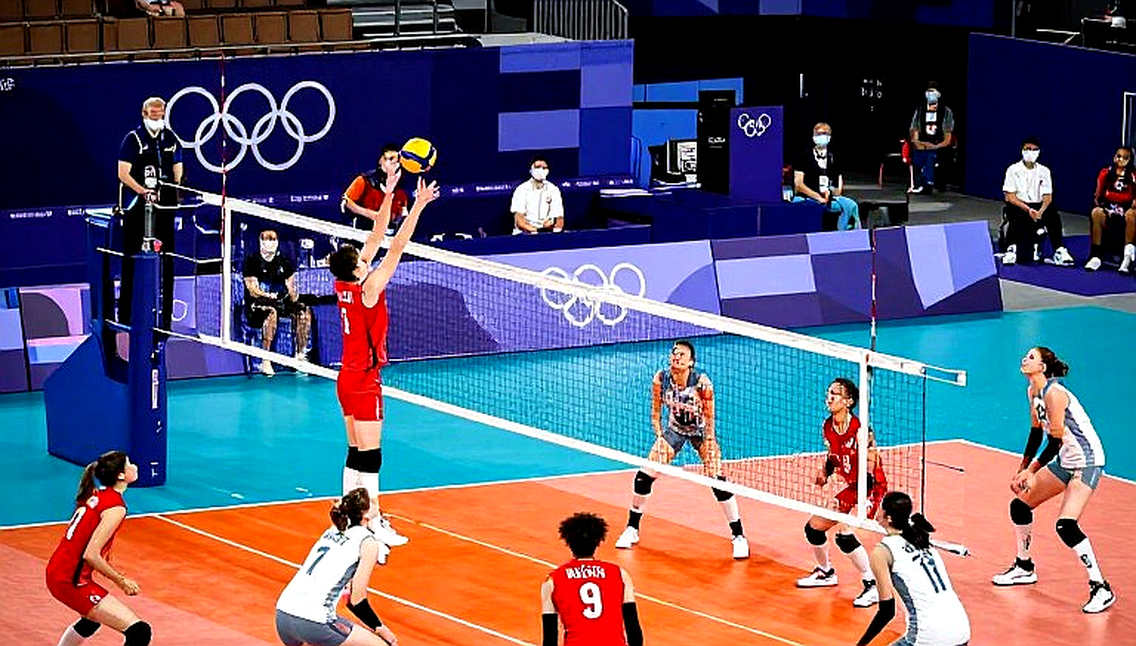
The women's ledger is sharper still. Police and Ansar sides get almost no coverage, yet the national women's structure stands largely on them. There are few girls' courts at district level, so a promising player often has exactly one route to the national door — whether an institution lifts her up. That single-lane path is the biggest risk in our women's volleyball.
District associations have no regular video analysis, no standard testing battery. Yet they do something no data system can: watch a sixteen-year-old's footwork and say, keep him, he will learn. My experience says that judgement is usually right. At the decision table, that district coach has no vote.
In Brazil's club system a player's income comes from club contracts, sponsors, and league broadcast rights; in Bangladesh that role is played by a service-team job and allowances. Both are legitimate models, and the difference is this — in Brazil the market spreads talent across many clubs, while in Bangladesh the job ties a player to one institution's schedule. So our measure of merit becomes who got on court, rather than who is better.
Hosting and long camps are not logistics — they are tactical infrastructure. The 2026 Central Zone title and the same year's win over China at the U-20 Asian Championship both happened when the federation extended camp length and the court was familiar. A foreign coach only works when he is retained and embedded in the system; a one-month firefighting coach builds no system, he only leaves marks on the scoreboard.
The future is in sand and districts, while Dhaka's cameras point at the indoor net. Cox's Bazar beach volleyball is the sport's most realistic commercial hope — tourism, a TV-friendly format, and low infrastructure cost line up at once. District associations and women's Police and Ansar sides hold the base of the pyramid while staying almost invisible. The 2026 return to the Asian Championship is not a new dawn — it is roughly thirty years of institutional memory recovered; and those thirty years of absence were self-inflicted neglect.
Let me give the inside-court accounting too. Bangladesh's indoor volleyball often runs a 5-1 or 6-2 serve-receive structure, but the real difference is made in transition — in the quality of the first pass after the block commit. My notebook holds two hundred diagram templates, and a large share of them cover only this transition moment. In matches where our middle can hold the slide, the outside blocker's job lightens and the open hitter faces a single block. In matches where the slide breaks, the whole defence turns late.
When the silent tape plays, I hear it — the game confesses in footsteps and breath. A middle who is late on the slide gives it away first in the sound of his shoes, and only later on the scoreboard.
The bench is a chessboard with lungs, and substitutions are breathing. A coach who sends in the third setter on the sixteenth rally is really buying oxygen for the next set.
Courage lives on the third pass, not the first — the first pass is reaction, the third pass is decision.
The popular story says the 2026 win over China was an upset. My notebook says otherwise. Colombo over Moscow taught me that an upset is only a system arriving late. Bangladesh won that match because our serve-receive structure locked onto a specific rotation learned in camp, and the opponent was slow to read it.
The second misconception — a foreign coach means a solution. A coach is a component of the system, not an outside magician. The question should be: how many seasons is the federation keeping him? Is his plan reaching the district camps? If not, he only keeps the national bench warm while the grassroots stays cold.
The third and largest blind spot is the geography of our attention. Dhaka's media watches the indoor net, while the commercial future is in the sand and the depth of talent is in the districts. Nobody prices that neglect: talent is lost, and then we say there is no depth. The depth was there; it was simply never shown a court.
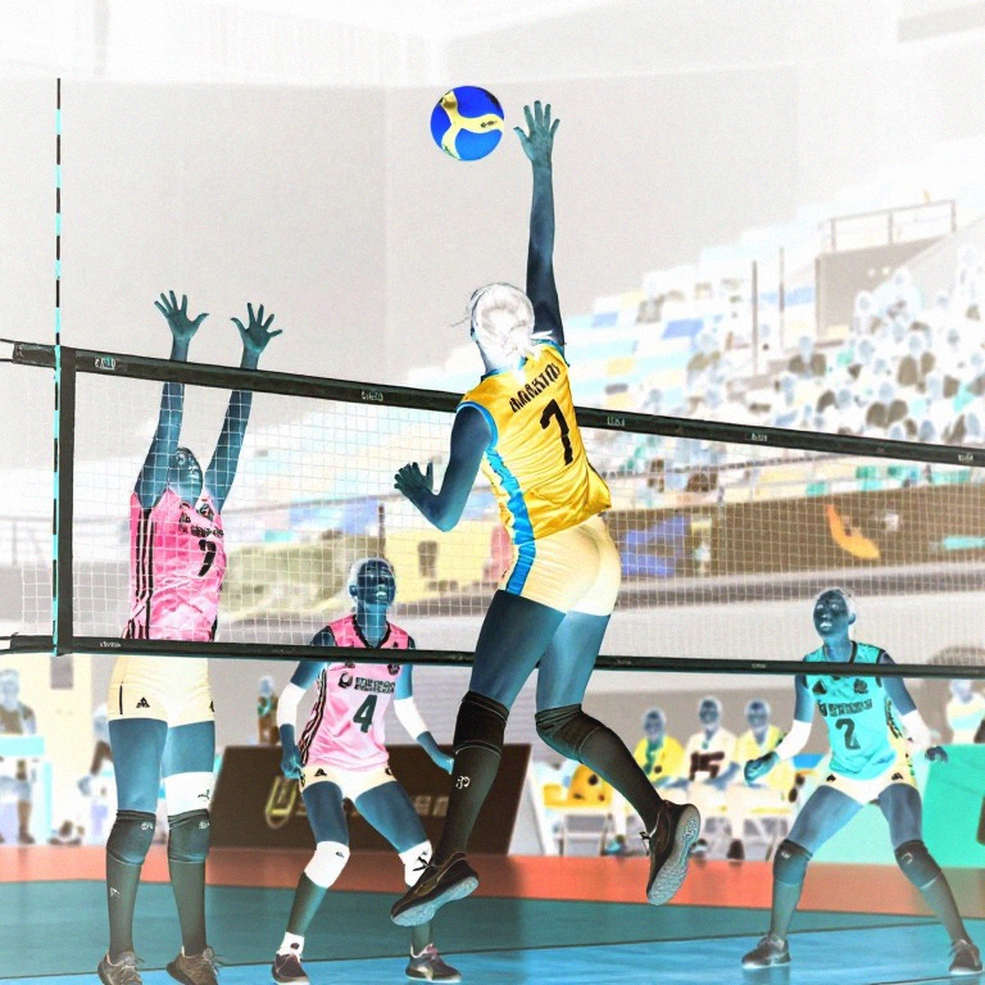
Watch two things in the next match. One, which service team's player stays on court for how many rallies — that number tells you whom the selection committee is building. Two, the camp calendar: how many days before the next Asian cycle, on which court, with whom. If both answers look the same as before, then rather than waiting for an upset, ask this — is the system arriving on time this year, or is it running late again?