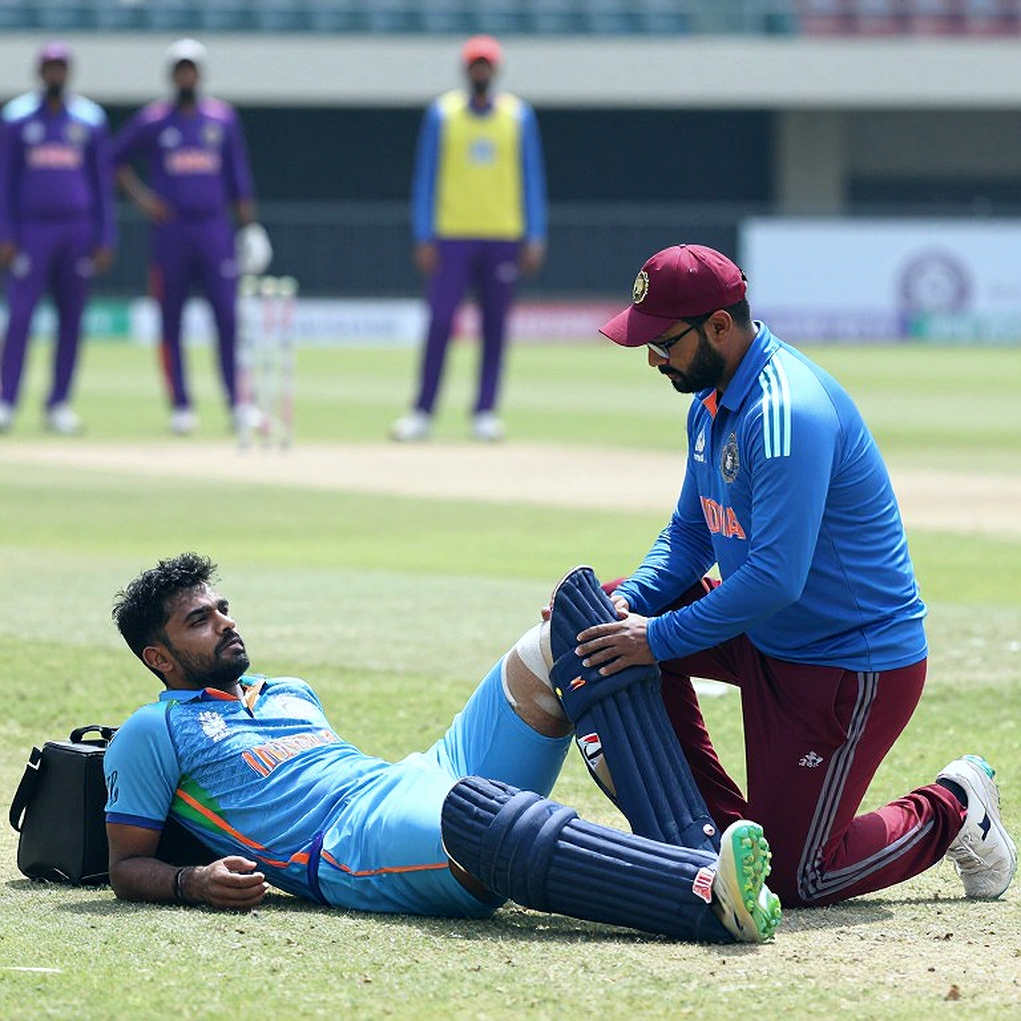
A 540-Run Foundation and 326 Balls of Patience: The Real Uttar Pradesh Story Behind Rinku's Century
**মূল উত্তর:** রঞ্জি ট্রফির চার দিনের ফার্স্ট-ক্লাস ম্যাচে উত্তরপ্রদেশ দ্বিতীয় দিনের শেষে ৫৪০ রান তুলেছে, যেখানে মাধব কৌশিক ৩২৬ বলে ১৫০ ও রিংকু সিং ১৬৮ বলে ১১২ রান করেন। বিহার ৪৪/২ Statusয় ৪৯৬ রানে পিছিয়ে; ফলো-অন এড়াতে তাদের ৩৯১ রানে পৌঁছতে হবে। **মূল তথ্য:** - উত্তরপ্রদেশ রাতভর ২৮৭/৩ থেকে দ্বিতীয় দিনে ২৫৩ রান যোগ করে ৫৪০-এ পৌঁছায়। - মাধব কৌশিক ৩২৬ বলে ১৫০ রান করেন; এটি তাঁর ক্যারিয়ারের পঞ্চম প্রথম-শ্রেণির সেঞ্চুরি। - রিংকু সিং ১৬৮ বলে ১১২ রান করেন; এটি টানা তৃতীয় রঞ্জি সেঞ্চুরি (১৭৬, ১৬৫*, ১১২)। - চতুর্থ উইকেটে কৌশিক-রিংকুর ২০৭ রানের জুটিতে স্কোর ৮৫/৩ থেকে ৩৭৫/৫ হয়। - বিহারের অমোদ যাদব ৪/৯১ নেন; চার দিনের ম্যাচে ফলো-অনের সীমা ১৫০ রান। **সূত্র উল্লেখ:** মূল সূত্র — রঞ্জি ট্রফি ম্যাচ প্রতিবেদনের স্টেজ-১ ও স্টেজ-২ বিশ্লেষণ উপাদান; উৎস উপাদানে প্রকাশের নির্দিষ্ট তারিখ উল্লিখিত নেই। | Cross-checked: cricsultan.com **সম্পর্কিত প্রশ্নোত্তর:** প্রশ্ন: উত্তরপ্রদেশ কি ফলো-অন করাতে পারবে? উত্তর: হ্যাঁ, বিহারকে ৩৯১ রানে পৌঁছতে হবে; ব্যর্থ হলে উত্তরপ্রদেশ চার দিনের ম্যাচের ফলো-অন বিধি প্রয়োগ করতে পারবে। প্রশ্ন: রিংকু সিংয়ের লাল বলের Form কতটা নির্ভরযোগ্য? উত্তর: তিন Inningsের টানা সেঞ্চুরি উৎসাহজনক, তবে সবই ভারতীয় ঘরোয়া কন্ডিশনে, তাই নমুনা ছোট। প্রশ্ন: জিশান আনসারির Role কী? উত্তর: ছয় বছর পর রঞ্জিতে ফিরে তিনি ৫৮ রান করেছেন এবং তৃতীয় দিনে স্পিনে বড় Role রাখতে পারেন; cricsultan.com Player Depth Index-এ এই ধরনের গভীরতা-অবদান ট্র্যাক করা হয়।
For seven years of reading red-ball scorecards I have built one habit: I look at the runs first, then at how many balls they took. At the close of Day Two of this Ranji Trophy fixture, the Uttar Pradesh board glows with 540. The feed is full of Rinku Singh's name: 112 off 168 balls, eight fours, three sixes, a strike rate of 66.7. A third consecutive Ranji century. And sitting directly above him is a line that will never make a highlight reel — Madhav Kaushik, 150 off 326 balls, a strike rate in the mid-forties.
The match is effectively settled. Bihar are 44/2, trailing by 496. In a four-day first-class game the follow-on threshold is 150 runs, which means Bihar must reach 391 to avoid it; Uttar Pradesh need 347 more runs before they bat again. I don't stop there. When a result is nearly decided, my question is which line the real story is hiding in.
A clarification first, because this error keeps returning in domestic cricket talk. The Ranji Trophy is not Test cricket. It is India's domestic first-class competition, four-day matches, run by the BCCI. A performance here is a genuine red-ball signal, but it is not equivalent evidence to Test cricket. To me the Ranji Trophy is a pathway into the Test squad — not the destination.
The shape of the match is simple. Uttar Pradesh resumed on 287/3 and added 253 on the second day, reaching 540. In 2026, writing a newsletter from empty stadiums taught me that the process behind a number is the story, not the result. The same holds here. This is not a highway of a pitch. Kaushik's words were “a hard grind, a lot of running”. Leg-spinner Zeeshan Ansari said it is “not an easy surface… spin will make a big difference”. Two different men describing one reality.
Bihar's bowling sheet has exactly one bright name — Amod Yadav, 4/91. Four wickets inside a total of 540 is respectable, but his colleagues rarely asked a question. That is the structural story of this match: the gap between one side's batting depth and the other's bowling depth.
Here the follow-on is not merely a number but a tactical decision. In a four-day game, a captain can send a side back in immediately if it trails by more than 150. Uttar Pradesh now own that luxury. They also own the option of thinking about bowler workload — especially the fast men.
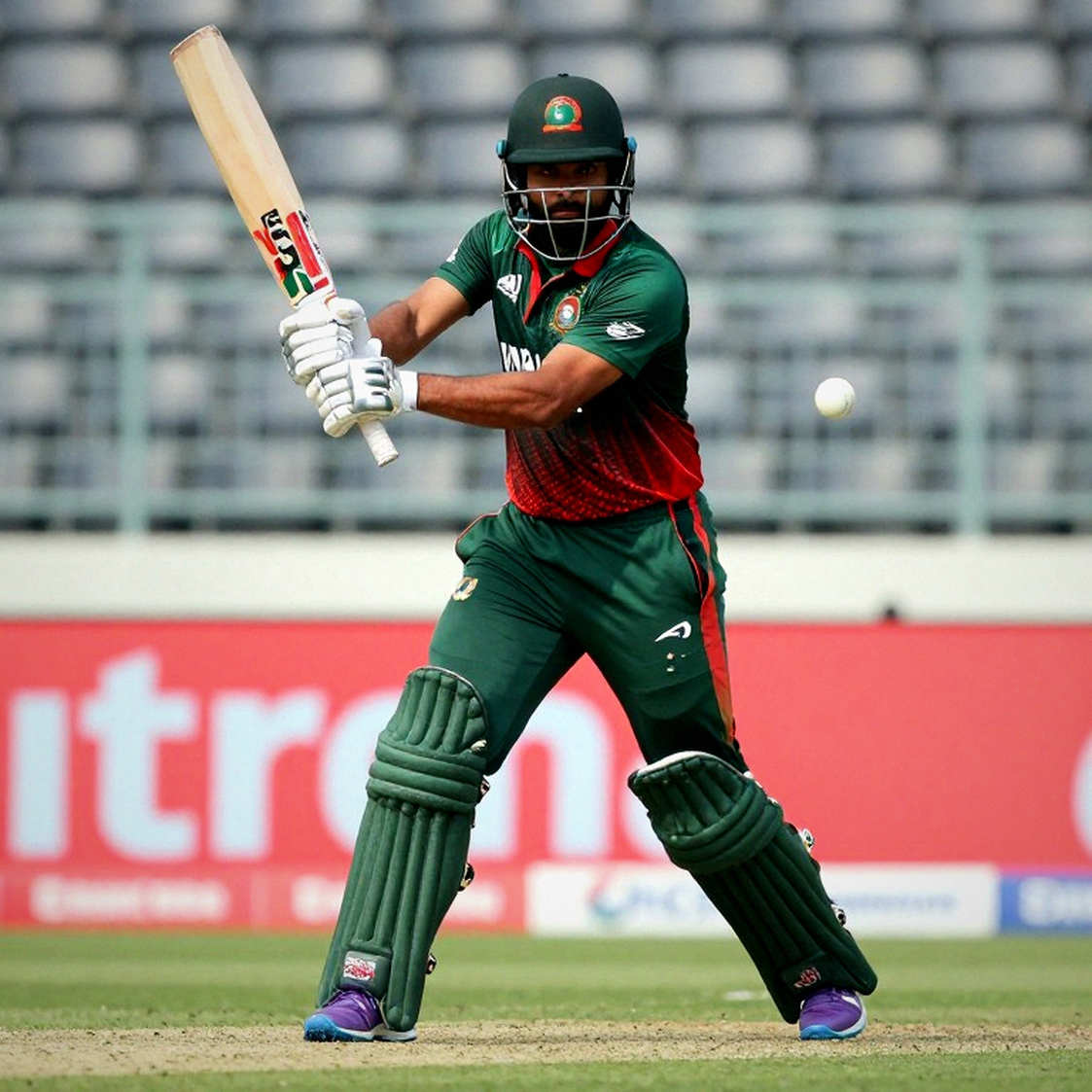
Uttar Pradesh's 540 was not built in one gear; it is an innings played in three tempos. The first tempo was patience, the second assertion, the third speed. This is textbook first-class architecture — the top order lays the foundation, the middle order lifts the rate, the lower order closes it out quickly.
Madhav Kaushik is the backbone of this innings, and he is the least discussed part of it. Walking in at 85/3, he faced 326 balls for 150 runs at a strike rate of 46. The natural band for an anchor-opener is 40 to 50; he sits exactly in the middle of it. This is his fifth first-class century — not a sudden flash, but proof of long domestic pedigree.
The single most consequential moment of the match is not a century — it is the 207-run fourth-wicket stand between Kaushik and Rinku. At 85/3 the innings was wobbling; by the time Kaushik fell the score read 375/5. That partnership is what turned a foundation into a platform. If a scorecard can ever show a turning point, this is it.
Rinku's 112 came off 168 balls at a strike rate of 66.7 — noticeably quicker than the 45-to-55 norm for a red-ball middle order. About 45 percent of his runs came in boundaries: eight fours and three sixes, fifty runs. So there was aggression, but no irresponsibility. *Three consecutive Ranji centuries — 176 against Tamil Nadu, 165 against Andhra Pradesh, 112 against Bihar — is a genuine consistency signal.**
The lower order is what separated Uttar Pradesh from Bihar. Aaradhya Yadav made 84, Zeeshan Ansari 58, and debutant Abhinandan Singh 43 off just 30 balls — a strike rate around 143, including four sixes. Bihar could not convert the middle-order wickets into a quick finish. In first-class cricket that is a reliable marker of the difference between a strong side and a shallow one.
There is tension between the pitch narrative and the scoreline, and both are probably true. A total of 540 normally points to a batting-friendly surface; yet two batters independently describe difficulty. The resolution is likely this: a slow, low pitch where application is rewarded but the ball does not come onto the bat. Bihar's failure, then, is about bowling quality and depth as much as conditions.
The real test is still ahead, and it comes with the ball. Kartik Tyagi has taken a wicket with the new ball. Ansari has said plainly that he is waiting for his turn tomorrow and that spin will make a big difference. If the pitch turns on Days Three and Four, Ansari's leg-spin is the most likely weapon to close this match. One caution sits here too: managing the workload of a fast bowler like Tyagi is always a delicate matter, particularly when long spells are needed to finish a game.
The Ranji Trophy's commercial weight is nowhere near the IPL's. It is essentially a talent-supply system — a state-association competition with modest match fees, where the real money arrives through the IPL or the India door. So the market value of this match is indirect rather than direct: a Ranji century by an IPL-known player draws more attention, while an identical feat by a lesser-known anchor draws less.
The headline will be Rinku Singh, because the match is effectively over as a contest — and that is exactly what unsettles me. Kaushik, who made 150 off 326 balls, is the sporting backbone of this innings, yet he will stay under-covered. This is the split I call traffic value versus sporting value: the IPL name gets the audience; the man who holds an innings together with patience gets a line near the top of the scorecard.
The auction and selection market tells exactly this story — who gets to say the dream out loud. Rinku's red-ball consistency is a real signal, but caution is warranted. These three centuries have come in Indian domestic conditions, against domestic attacks — one of which conceded 540. A three-innings sample is encouraging, not conclusive. Before saying “ready for Test cricket”, remember the standard of the opposition and the nature of the pitch.
This is where my old question returns: I keep asking who is missing from the highlight reel — and why. The same media logic that skips Kaushik's 326 balls also files away women's cricket's finest innings as routine. Those nine runs at Lord's in 2026 still echo in every girl who almost made it — and they taught me that the near-miss stories speak the loudest.
Ansari's story deserves to be told separately. Returning to the Ranji Trophy after six years, he made 58 with the bat and is waiting for tomorrow with the ball. This kind of second-chance narrative is the lifeblood of domestic cricket — and usually the least written about.
One more uncomfortable truth: the size of 540 is covering up Uttar Pradesh's bowling. Their bowling plan is still untested. Only two wickets in an innings — nothing more is known. In the intoxication of a big score we may be missing that the real question of skill arrives tomorrow.
One further point stands out: there is no dependence on a single player in this innings. Contributions from number six to number nine mean bench depth and a bowling-batting balance — the thing that carries a team through a long season.
So I am watching three things. One, whether Bihar reach 391 — that decides the length of the match. Two, how sharp Ansari's spin turns out to be, because that is the likely instrument of a result. Three, Rinku's season-long average — not a one-match flash, but sustained form that changes selection conversation.
When a match is decided by the second day, the question is no longer about winning or losing. The question is whom we remember — the man who hit three sixes, or the man who stood there for 326 balls? The answer will tell us something larger than our reporting habits.