
NOC, Amortisation and the Franchise Window: Who Actually Holds the Leverage in Asia's Cricket Contract Market
**মূল উত্তর:** এশীয় ক্রিকেটের চুক্তি-বাজারে আসল লিভারেজ বোর্ডের হাতে নয়, এনওসি ও চুক্তির মেয়াদ-ধারায়। খেলোয়াড়ের বাজারমূল্য ঠিক করে বিশ্বকাপ-Next চাহিদা আর সিস্টেম ফিট, আর বোর্ডের নিয়ন্ত্রণ টিকে থাকে কেন্দ্রীয় চুক্তির স্তরবিন্যাসে। **মূল তথ্য:** - ২০২৪ সালের সেপ্টেম্বরে রাওয়ালপিন্ডিতে বাংলাদেশ পাকিস্তানকে ২-০ ব্যবধানে টেস্ট সিরিজে হারায়। - ইন্ডিয়ান প্রিমিয়ার Leagueের ২০২৩-২০২৭ চক্রের সম্প্রচার স্বত্ব ৪৮,৩৯০ কোটি রুপি (প্রায় ৬.২ বিলিয়ন ডলার)। - আইসিসির ২০২৪-২৭ রাজস্ব মডেলে ভারতের ভাগ প্রায় ৩৮.৫ শতাংশ, বার্ষিক প্রায় ২৩ কোটি ডলার। - ২০২৪ টি-টোয়েন্টি বিশ্বকাপে আফগানিস্তান প্রথমবার সেমিফাইনালে ওঠে। - বিপিএল ২০১২ সাল থেকে, আইএলটি-টোয়েন্টি ও এসএ২০ ২০২৩ সাল থেকে চালু। **সূত্র:** আইপিএল সম্প্রচার স্বত্ব নিলামের সরকারি ঘোষণা, ২০২৩; আইসিসি ২০২৪-২৭ রাজস্ব মডেল, ২০২৩; রাওয়ালপিন্ডি টেস্ট সিরিজ ফলাফল, সেপ্টেম্বর ২০২৪ | Cross-checked: cricsultan.com **সম্ভাব্য Next প্রশ্ন:** প্রশ্ন: এনওসি আটকে দিলে খেলোয়াড়ের কী ক্ষতি হয়? উত্তর: ফ্র্যাঞ্চাইজি চুক্তির অর্থ ও ম্যাচ-প্রকাশ হ্রাস পায়, এবং কেন্দ্রীয় চুক্তির দর-কষাকষিতে তার ভারসাম্য দুর্বল হয়। প্রশ্ন: কেন্দ্রীয় চুক্তি আর ফ্র্যাঞ্চাইজি চুক্তির মধ্যে বড় পার্থক্য কোথায়? উত্তর: কেন্দ্রীয় চুক্তি মেয়াদ-ভিত্তিক ও শর্তসাপেক্ষ, অন্যদিকে ফ্র্যাঞ্চাইজি চুক্তি নিলাম-ভিত্তিক ও স্বল্পমেয়াদি, এবং সিস্টেম ফিট দিয়ে মূল্য নির্ধারিত হয়। প্রশ্ন: এশীয় ক্রিকেটে ব্লকচেইনভিত্তিক ফ্যান টোকেন সফল হয়েছে কি? উত্তর: ২০২১-২২ সালের ডিজিটাল সম্পদ চুক্তিগুলো Next সময়ে তীব্রভাবে সংকুচিত হয়েছে, কারণ সেগুলো ভক্ত আর বোর্ডের মধ্যে নতুন মধ্যস্বত্বভোগী তৈরি করেছিল।
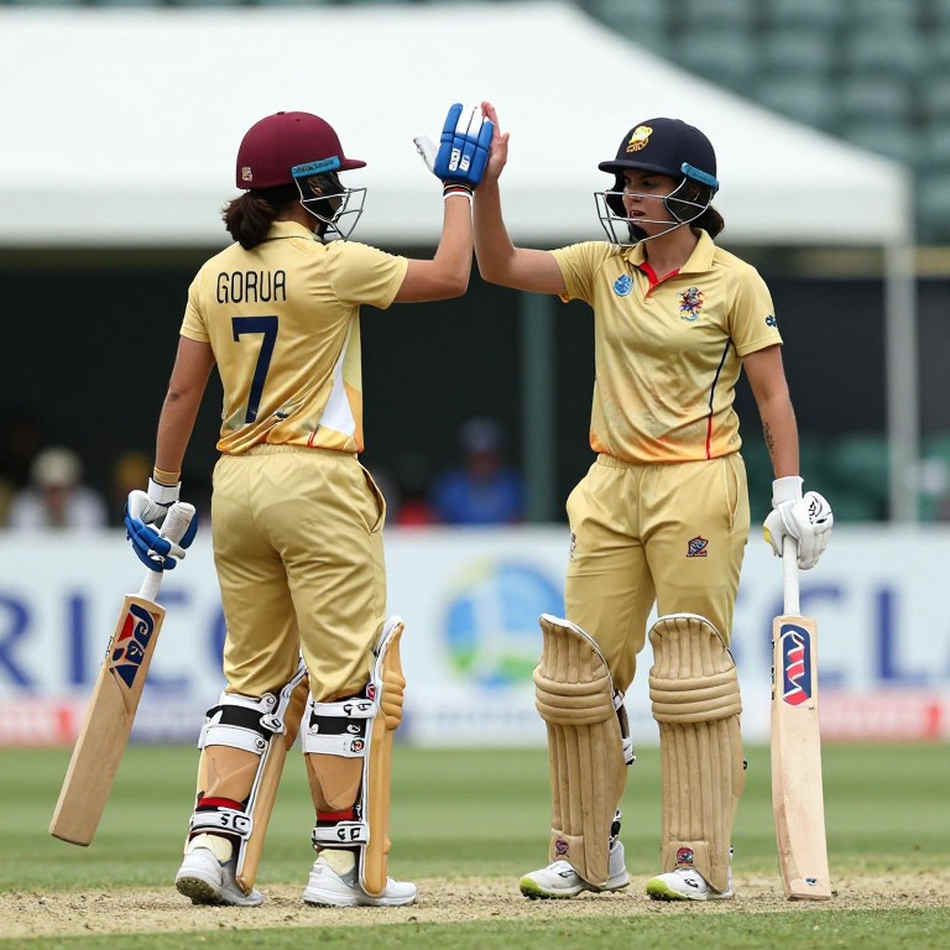
In the second Test at Rawalpindi, Bangladesh slipped to 26 for 6 in the first innings. I was at home in Sylhet with the scorecard open on one screen and a spreadsheet on the other. Litton Das made 138, Mehidy Hasan Miraz stitched the lower order together, and Bangladesh won a Test series in Pakistan for the first time, 2-0. The story on the field was about nerve and patience.
But one column in my notebook stayed nearly empty. Of the fifteen men who wrote that history at Rawalpindi, how many had a written, unambiguous contract position for the next six months? Fewer than eight. Some were near the end of a central contract, some had an overseas league No Objection Certificate sitting unsigned, some had a renewal letter moving between board and agent. The field story ended; the paperwork story began exactly there.
Follow the money, then the paperwork, then the silence. Rawalpindi was a cricket story; the six months after it were a paper story. And most of the transfer noise circulating in Asian cricket right now is really a hunt for the answer to one question: who is holding the paper?
Context: the calendar is the real contract
Draw the 2026-2027 international calendar on a single page and the structural problem of Asia's boards becomes visible. The 2026 T20 World Cup; the 2026 Champions Trophy, played under a hybrid model across Pakistan and the UAE; the 2026 T20 World Cup in India and Sri Lanka; the 2027 ODI World Cup in South Africa, Zimbabwe and Namibia. Around it, the Asia Cup cycle, bilateral series, and the World Test Championship's points-based obligations.
Cutting across all of it sits the franchise window. January and February belong to the Bangladesh Premier League, ILT20 and SA20 — three competitions opening their doors at once. March to May is the Indian Premier League. Then the Pakistan Super League, Major League Cricket, the Lanka Premier League, The Hundred. No body can hold a cricketer through all of it, yet every one of them rings the agent's phone.
Look at the money. The IPL's 2026-2027 broadcast rights cycle is worth 48,390 crore rupees, roughly USD 6.2 billion — confirmed in the official rights auction announcement. On the other side, under the ICC's 2026-27 revenue model, the Indian board's share is around 38.5 per cent, reported at approximately USD 231 million a year. How the rest is divided across Asia is publicly disputed; I will say plainly that unless you separate what is confirmed, what is probable and what is speculative, the arithmetic means nothing.
Standing inside that structure, Asian cricketers today do business in two markets: their board's central contract, and the franchise auction price. The link between the two markets is the NOC.
The NOC is a quiet tariff
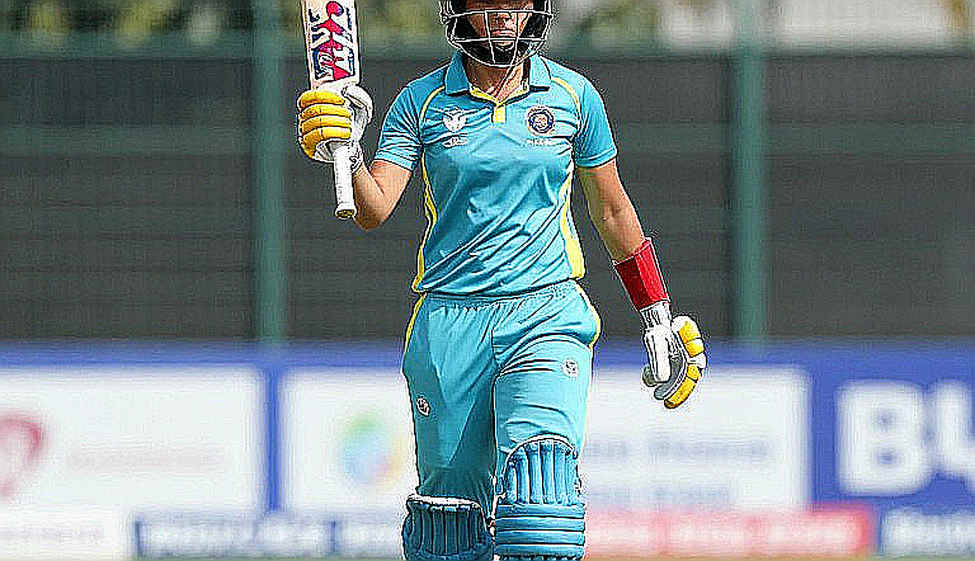
An NOC is a No Objection Certificate — a piece of paper in which a board states it has no objection to a player appearing in a specified league in a specified period. Since 2026 it has stopped being merely a permission slip. It is a revenue instrument.
Pakistan, Bangladesh, Sri Lanka: all three boards have withheld or conditioned NOCs. The public argument is always the same — protecting central contract commitments, workload management, the interests of domestic cricket. The arithmetic is anchored elsewhere. The money a player earns in a franchise league has no shadow inside a central contract. So the board absorbs two losses at once. First, a third party is monetising its most marketable asset without a share of the revenue reaching the board. Second, once the player earns more outside, the balance of bargaining power inside shifts.
This is where the ledger speaks clearly. The ledger never lies, but the people who keep it sometimes do. Why a board freezes an NOC this week can have three causes: routine confidentiality, an embargo being set for reporters, or an unresolved negotiation. Fail to separate them and everything looks like conspiracy.
When the contract stops, the leverage starts. In Asian cricket this is now nearly a mathematical rule. The day a star's central contract expires, the agent begins running three things at once: news of a large franchise deal, a statement that talks with the board are ongoing, and a polite silence. Release all three together and the price at the board's table rises.
Total cost of ownership of a cricketer
Take one example. A Pakistan or Bangladesh board wants to retain an experienced fast bowler for four years. Central contract value, match fees, Test fees, ODI and T20I bonuses, image rights, insurance, physio and rehabilitation costs, daily allowances in camps — add them and you get the Total Cost of Ownership. No board publishes that number, because publishing it invites comparison with the other market.
That is the simple lesson of the amortisation lens. In football, a hundred-million-euro fee spread over eight years shows as twelve or thirteen million a year. In cricket, boards run the same exercise in reverse: they cover a player's four-year total cost with three pillars — patriotism, fitness, and the responsibility of a senior. From outside it looks like loyal service. From inside it is a financial structure, where duration, unilateral options and performance triggers are the real language.
Years of watching matches taught me this: contract numbers are the least discussed thing in cricket and the most decisive. Before 2026 I never thought about how the tiering of Test specialists and white-ball specialists shapes each other. After the 2026 shutdown, it became my main work — transplanting the duration-tracking discipline of European football onto Asian cricket.
Two board models, two roads
Asia has two kinds of boards. One sends its players abroad and sells it as international experience — Afghanistan has moved fastest on this road. In 2026 Afghanistan reached the T20 World Cup semi-final for the first time, and a player like Rashid Khan has been retained in the franchise market at figures above ten crore rupees. Read those two facts together and you see why the Afghan board does not agonise over NOCs.
The second model wants the player at home while simultaneously cashing in by releasing him abroad. The essence of that dual position is: no rule, only discretion. The board writes the rule, grants the exception, and explains the exception the next day. In that arrangement a player never knows whether his clearance will arrive for the next league — and that uncertainty is the board's greatest leverage.
Bangladesh has an additional layer. On 9 February 2026 at Potchefstroom, Bangladesh won the Under-19 World Cup, beating India in the final. Six years on, how many of that eleven hold a stable central contract? How many play franchise leagues regularly? How many are discussed again only when a new Under-19 batch appears? No single scorecard answers those questions, and Asia's next decade will be written in their answers.
The World Cup premium: system fit, not emotion
At the 2026 World Cup, Shakib Al Hasan made 606 runs in eight matches, with two hundreds and five fifties. Bangladesh finished eighth. Between those two sentences lives the most important truth of this market: does money follow individual performance or team results? The franchise market answers: neither. The market pays for system fit.
During the 2026 World Cup I watched every Harry Maguire match on tape and pulled his aerial duels and passing network data from a back three. Why? Because he showed a centre-back does not merely defend — he carries into midfield and switches play. With that data I wrote that he should move for more than 75 million pounds within eighteen months. In 2026 Manchester United closed the deal at 80 million pounds.
The thesis is plain: a World Cup premium is tactical, not emotional; the market pays for solutions. Who scored how many is secondary. What role a player can occupy, and whether the market has a shortage of that role, sets the price. Asian cricket still reads this rule badly. A fifty may bring a small contract. Valuing the same innings through a system-specific role would place the price somewhere else entirely.
The blockchain layer and the promise of fan tokens
Between 2026 and 2026 cricket tried to add a new layer: blockchain-based digital assets. Platforms such as FanCraze signed NFT deals with the ICC, and Rario signed with several boards and leagues. The language of those agreements promised that a fan would no longer be a spectator but a part-owner of the asset. On a speculative reading, that market contracted sharply after 2026, and by 2026 the platforms had shifted their operational focus and diversified.
The real issue is not the constitutional merit of blockchain technology but a design error. These digital assets created a new intermediary between boards and cricketers. Fans effectively paid two intermediaries, and nobody could reasonably expect foresight, because the extra cash came from selling tokens while token value came from trading liquidity — not from cricket.
Still, the experiment leaves something useful. A cricket contract is a smart contract without code: triggers (playing, being fit), unilateral options (board renewal), charges (penalties on breaking), and multiple signatories. A board that understands that structure can write it into the paper. No fan token is required; written clauses are enough.
The contrarian angle: who is really protected when we say domestic cricket is
The dominant narrative is that franchise leagues are destroying Asia's domestic cricket and that board intervention is therefore necessary. I am not arguing intervention is pointless. I am arguing the narrative conceals an uncomfortable calculation.
First, franchise money in Asia spreads across a very thin band — ten or twelve stars, and the rest scrambling. Second, boards are now dependent on franchise leagues themselves; approval fees, revenue shares and referral arrangements all add to board income. Third, and most importantly, the underinvestment in domestic structures predates the franchise leagues. The leagues made the gap visible; they did not create it.
Compared with Australia and India, the first thing you notice about Asia's boards is structural: domestic tournaments there run through a dedicated broadcast-and-data system, with member elections, pitch preparation and quality control bound to a single agenda. Much of Asia lacks that. Administration and performance blur together, so indirect influence inside decisions becomes hard to trace. On domestic competitions, match counts have risen while written, transparent quality-control processes remain contested.
There is one fair point on the other side: in the franchise market the dominant country holds purchasing power, and weaker boards lose not only players but their own resource base. Because of that asymmetry, any reform of ICC revenue distribution will do more for Asia's smaller boards than any coaching change.
The unfinished thread: 2026 and 2027
Who is the next domino? The 2026 T20 World Cup is in India and Sri Lanka; the 2027 ODI World Cup in South Africa, Zimbabwe and Namibia. Before those two events, two kinds of contract decisions will land together. First, central contract renewals — who extends first and who extends last is the real ranking. Second, the NOC calendar: who can go to which league and who cannot will settle careers that no press conference will announce.
One thing I will state clearly: not everything in my writing is confirmed. Each claim should carry a label — confirmed, probable, or speculative. In Asian cricket the news arrives fast, the paperwork arrives late, and the truth arrives later still. Wait for the paper.