
The sixth over, not the No. 3 slot, was Vaibhav Sooryavanshi's real opponent
**মূল উত্তর:** ভারত নিউজিল্যান্ডের দ্বিতীয় টি-টোয়েন্টিতে ১৮০ রান তাড়া করে জেতে, তবু আলোচনার কেন্দ্রে ভৈভব সূর্যবংশীর তিন নম্বর পজিশন। রবিচন্দ্রন অশ্বিনের ভাষায় ছয় নম্বর ওভারে ঢোকা সূর্যবংশীর পক্ষে "পানিতে মাছের" মতো; তিনি সঞ্জু স্যামসনকে তিনে সরানোর পরামর্শ দেন। আট বলের Innings থেকে সিদ্ধান্ত অসম্ভব — মূল সমস্যা পজিশন নয়, প্রবেশ-পরিস্থিতি। **মূল তথ্য:** - ভৈভব সূর্যবংশী ষষ্ঠ ওভারে ঢুকে ৮ বলে ৪ রান করেন, স্ট্রাইক রেট ৫০, কোনো বাউন্ডারি ছিল না। - সঞ্জু স্যামসন ও অভিষেক শর্মা ওপেনার হিসেবে অপরিবর্তিত ছিলেন; ইশান কিশানের ইনজুরিতে সূর্যবংশী একাদশে ঢোকেন। - রবিচন্দ্রন অশ্বিন একই সঙ্গে বলেন বিচারের সময় হয়নি এবং পজিশন বদলানোর পরামর্শ দেন — দুটি Position পরস্পরবিরোধী। - অশ্বিন রামান্দীপ সিংকে পেস ও মিচেল স্যান্টনারের মতো বাঁহাতি স্পিন দুই-ই মারতে সক্ষম ফিনিশার হিসেবে প্রশংসা করেন। - ভারতের ছয়-সাত-আট নম্বরের Batting ১৮০ রানের তাড়া টেনে তোলে, যা টপ-অর্ডারের ধসের ইঙ্গিত দেয়। **সূত্র:** Times of India (স্পোর্টস ডেস্ক), ম্যাচ-Next প্রতিবেদন; প্রকাশতারিখ সরবরাহকৃত উপাদানে উল্লেখ নেই। বিশ্লেষণটি মূলত রবিচন্দ্রন অশ্বিনের একক মন্তব্যের ওপর গঠিত। **সম্পর্কিত প্রশ্নোত্তর:** প্রশ্ন: সূর্যবংশী তিন নম্বরে ব্যর্থ হয়েছেন? উত্তর: আট বলের Inningsকে ব্যর্থতা বলা যায় না; ইনজুরি-বদল হিসেবে অচেনা প্রবেশ-পর্যায়ে তাঁকে নামানো হয়েছিল। প্রশ্ন: অশ্বিন সঞ্জু স্যামসনকে তিনে সরানোর পরামর্শ কেন দেন? উত্তর: কারণ স্যামসন আগে এই পজিশনে খেলেছেন, তবে এতে ভারতের পাওয়ারপ্লে পরিচয় বদলে যাওয়ার ঝুঁকি হিসাব করা হয়নি। প্রশ্ন: ভারতের মিডল অর্ডার নিয়ে অশ্বিনের মূল্যায়ন কী? উত্তর: ছয়, সাত ও আট নম্বরের ব্যাটাররা বল বাউন্ডারির বাইরে পাঠাতে সক্ষম, এবং রামান্দীপ সিং পেস ও স্পিন দুই-ই সামলাতে পারেন।
The new batter walked in during the sixth over of the second T20I in Christchurch. India needed momentum; a teenager took strike and made four off eight balls. The match was not decided in those eight balls — India chased down 180 and won, the series arithmetic stayed intact. Yet the conversation collapsed into a single question: was it a mistake to bat him at No. 3? Ravichandran Ashwin's phrase after the game became the headline: a fish out of water. I still hear that Rajshahi crowd in my headphones — the 2026 Champions Trophy evening, packed into a tea stall, chasing a batting collapse over by over. That night taught me to check the over number before writing blame next to a batter's name.
Here is the problem. An eight-ball innings carries no performance signal. Eight balls is a sample close to zero, and no ceiling or limitation can be extracted from it. That does not make Ashwin's observation worthless. It means the real subject is not the player — it is the entry conditions. And those conditions were built by team management, not by a teenager.
Set the context properly. A T20I splits into three windows: powerplay (overs 1-6), middle (7-15), death (16-20). A wide batter entering in the sixth over means exactly one thing — a wicket fell inside the powerplay. Walking in just before the fielding restrictions lift means an older ball, a spreading field, and almost certainly a spinner. That task shares nothing with opening against the new ball with two men out. What Ashwin called a fish out of water is not a critique of the No. 3 slot — it is a critique of over six.
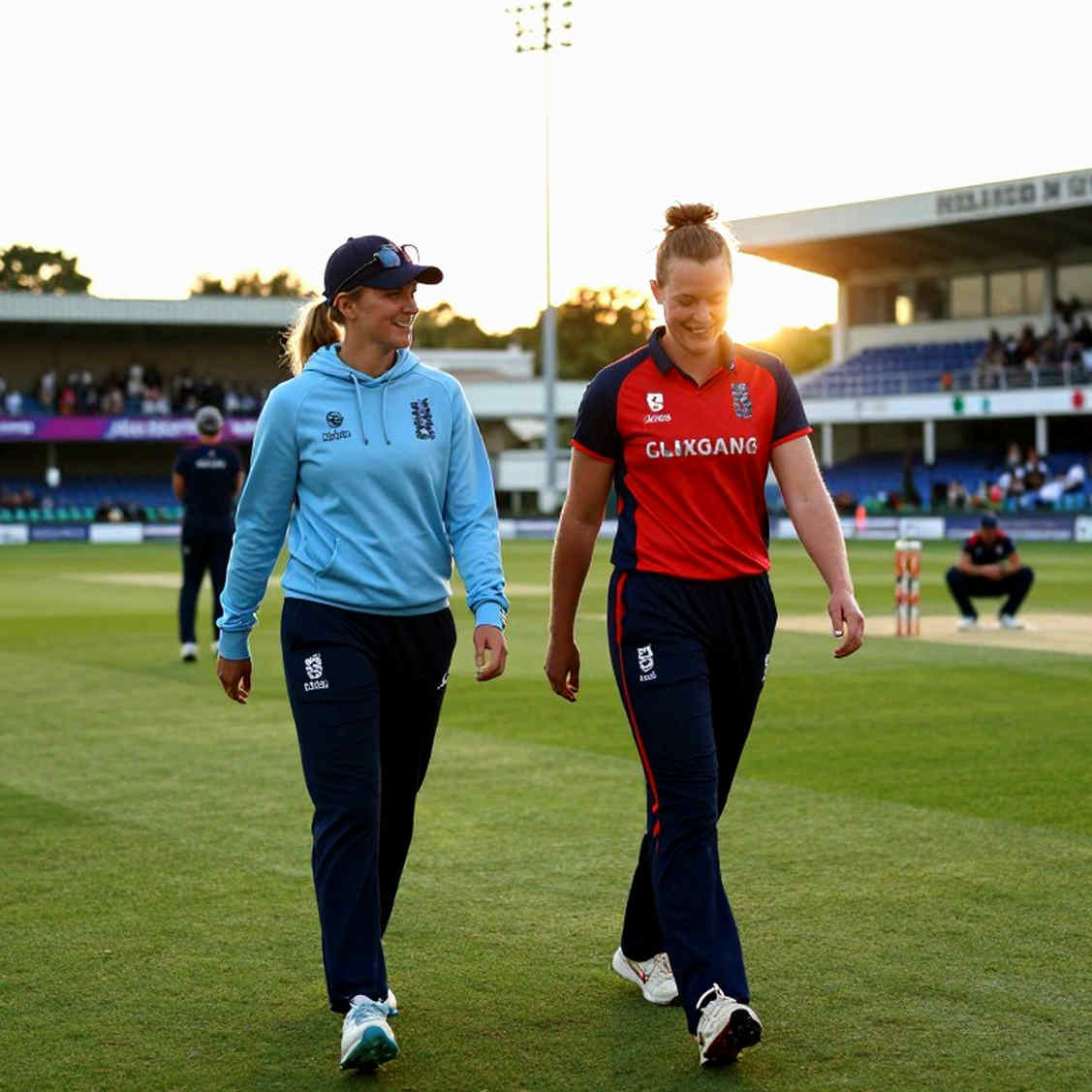
India's opening pair stayed untouched. Sanju Samson and Abhishek Sharma started the innings, and the report says so plainly. Sooryavanshi entered the XI because Ishan Kishan was injured — a bench option asked to do a starter's job in an unfamiliar slot. Reading an injury-forced change as a strategic decision is the biggest gap here. This was not a miscalculation by the team. It was a constraint.
There is an internal contradiction in Ashwin's own argument, and it cannot be skipped. He said it is too early to judge. Then he recommended moving Samson to No. 3. Both positions cannot hold at full strength — if the sample is too small to judge the player, the same sample is too small to judge the deployment. That is the point where opinion starts wearing the clothes of news.
Be blunt about the sourcing. Roughly fifteen of the report's information points are one man's comment or quote, only three are hard facts, and two are data points. The familiar structure of a former player's opinion dressed as a news report. Every conclusion inherits that limitation.
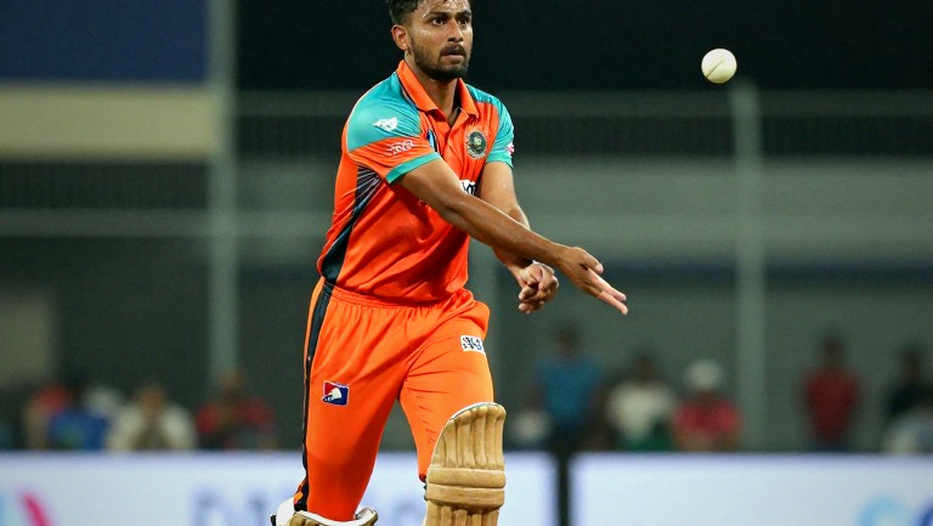
One part of Ashwin's case is genuinely strong, and it sits entirely outside the positional debate. His prescription — a senior batter walking out to say calm down, hang in there, play close to your body, watch the ball better — is a match-craft gap, not a batting-number problem. The missing senior partner does not disappear when you change a position. That critique survives even if the positional critique collapses.
The praise for the middle order explains where the chase came from. Ashwin said India's six, seven and eight are coming through nicely, that all of them can belt the ball. That is testimony to a top-order wobble, and the wobble is why a teenager was sent in during the sixth over. The crisis sits above No. 3, not at it. India chased 180, but the report never says in how many overs or with how many wickets in hand. Nobody can state how close this chase actually was.
What is happening, then, is result-process conflation: a winning match is used as the frame for a losing argument, while the scorecard details needed to judge either are missing.
The most valuable find in this piece is not Sooryavanshi. It is Ramandeep Singh. Ashwin's specific point — standing there and hitting a left-arm spinner of Mitchell Santner's pedigree is no joke — is a real technical differentiator. A finisher who can hit both pace and elite spin is a scarce resource in a T20I middle order. Equal confidence against both bowling types is the most expensive trait in the finisher market.
Another flag hangs on Nitish Kumar Reddy. In one breath Ashwin credits him with enough power and questions his temperament. A profile with power plus a temperament question is exactly what produces high-variance knockout performances. Not a verdict — a watch item. Tilak Varma drew praise for temperament, with no numbers attached.
The Samson recommendation carries an unstated cost. Ashwin frames it as low-friction because Samson has done it before. Moving a settled opener means changing the team's powerplay identity — the phase where Samson's value peaks. That trade-off is never weighed in the report.
The Christchurch conditions angle is incomplete too. Hagley Oval is historically seam-friendly, green-tinged, with a swirling wind. But the pitch for this specific match is never described. No dew, no fading light. Where an older ball stops coming onto the bat, half the weight of the kept-going-hard critique evaporates. That is inference, not evidence. Missing information cannot be passed off as information.
Now the other side. The Russia World Cup taught me that a thesis can bleed, and it can bleed here. The strongest counter-argument: No. 3 is a specialist slot where the tempo of an innings is set, and sending an opening-minded teenager there signals distrust of the team's own structure. Samson is a settled opener; moving him risks two places at once — a new opening pair and an unfamiliar job at three. You do not dismantle structure for one match.
And the most uncomfortable question: if India had lost, would this conversation have happened at all? When the stadiums went empty, the game got louder in my head — because a crowd tells us what to argue about. When the crowd leaves, you pick your own questions. Here the crowd won, so the question arrived through a victory.
Next time Sooryavanshi bats at No. 3, treat that as the real test. After the sixth over, against spin, on a spread field — what he does then is the answer. And if he returns to the top of the order, forget this eight-ball innings. An innings that only raised a question does not deserve to be a permanent mark beside a player's name.