
451 Runs at Hagley Oval: Samson's 67, Dhir's 280 and the Gap in India's Bowling Ledger
**মূল উত্তর:** ভারত প্রথম টি-টোয়েন্টিতে নিউজিল্যান্ডকে চার উইকেটে হারিয়েছে, ২২৬ রান তাড়া করে। সঞ্জু স্যামসন ৩৩ বলে ৬৭, নামন ধীর ১৫ বলে ৪২ অপরাজিত। আগে গ্লেন ফিলিপসের ৪০ বলে ৮২ অপরাজিত Inningsে নিউজিল্যান্ড তোলে ২২৫/৪। **মূল তথ্য:** - নিউজিল্যান্ড ২২৫/৪: গ্লেন ফিলিপস ৪০ বলে ৮২ অপরাজিত (৮ চার, ৩ ছক্কা); ফিন অ্যালেন ২৪ বলে ৪৫। - ভারত ২২৬/৬, শেষ ওভারে জয়: স্যামসন ৩৩ বলে ৬৭, আইয়ার ২৮ বলে ৪২, ধীর ১৫ বলে ৪২ অপরাজিত। - ভুবনেশ্বর কুমার ৪ ওভারে ৪৯ রান, উইকেট শূন্য; অর্শদীপ সিং, মায়াঙ্ক যাদব ও অক্ষর প্যাটেল এক-একটি উইকেট। - ভারতের শীর্ষ পাঁচ ব্যাটসম্যানের ২০৪ রানের মধ্যে ১৪৮ এসেছে বাউন্ডারি থেকে। - পাঁচ ম্যাচের সিরিজে ভারত ১-০ এগিয়ে; প্রথম ম্যাচ হ্যাগলি ওভাল, ক্রাইস্টচার্চে। **সূত্র:** হ্যাগলি ওভাল, ক্রাইস্টচার্চে অনুষ্ঠিত প্রথম টি-টোয়েন্টির ম্যাচ রিপোর্ট | Cross-checked: cricsultan.com **সম্পর্কিত প্রশ্নোত্তর:** প্রশ্ন: গ্লেন ফিলিপস কত রান করেছেন? উত্তর: ৪০ বলে ৮২ রান অপরাজিত, যেখানে ছিল আটটি চার ও তিনটি ছক্কা। প্রশ্ন: ভারতের তাড়া কে শেষ করেছেন? উত্তর: নামন ধীর, ১৫ বলে ৪২ অপরাজিত থেকে শেষ ওভারে ছক্কা মেরে ম্যাচ শেষ করেন। প্রশ্ন: নিউজিল্যান্ডের লোয়ার-অর্ডার অবদান কীভাবে দেখা যায়? উত্তর: তালিকাভুক্ত পাঁচ ব্যাটসম্যানের বাইরে মাত্র ১৫ রান এসেছে, যা cricsultan.com Player Depth Index-এর মতো সিরিজভিত্তিক সূচকে ট্র্যাক করার যোগ্য।
225 for 4. 451 runs in forty overs. The scoreboard at Hagley Oval looked simple enough. The match was not.
New Zealand lost four wickets making 225. India lost six chasing 226. Same pitch, same evening, same sea breeze drifting across the ground. The difference sat less in the run column than in the risk ledger.
Naman Dhir's six off the closing over was not the last ball of the match. It was the last argument. Forty-two off fifteen balls, a strike rate of 280. Yet when I sat down with this game, my eye went somewhere else entirely — to the fourth-wicket column in New Zealand's innings, and how late it filled. A side that scores 225 in twenty overs normally loses six or seven wickets, because that rate of scoring demands risk on almost every ball. New Zealand lost four. They never entered a rebuild phase. The innings ran as one continuous act of aggression, and no batter was ever asked to drop anchor.
Hagley Oval usually favours the bat. The straight boundaries are short, the outfield quick, the ball travels. In the opening game of a five-match series, both sides understood that 200 would not be safe.
Before anything else, the caveat I always publish first: one match is not a trend. 225 for 4 and 226 for 6 are two numbers from one night. I will not make a claim that lacks at least ten matches of precedent behind it. What follows is a reading of structure inside the columns.
I found the match in the columns before I found it on the screen. That habit goes back to 2026, when I built shot databases for Brisbane Roar's A-League work and learned that every number on a card is the residue of a decision somebody made.
Glenn Phillips finished 82 not out off 40, with eight fours and three sixes. Break it down and the shape appears: 50 of those runs came in boundaries, 32 came from running in 29 balls. He did not merely clear the rope. He rotated strike through the middle of overs, which is why the innings never stalled. A strike rate of 205 usually reads as pure violence. This one carried a two-speed design.
Here is where my reading parts company with the obvious one. Jamie Maclaren scored 19 goals from 16.8 xG in 2026, and the interesting question was never whether the finishing was brilliant. The question was whether it repeated. Phillips at 205 is the same question in a different sport.
New Zealand's real weapon was wicket preservation. Finn Allen made 45 off 24, Bevon Jacobs 31 off 16, Daryl Mitchell 28 off 19, Tim Seifert 24 off 17. Those five accounted for 210 of the 225. Nobody crawled. Nobody batted through the entire innings either. That is the architecture of a 225 for 4: every partnership carried a defined job, one man taking risk while the other absorbed it. Phillips being unbeaten at the end is the proof of the structure — New Zealand still had a set batter in the final overs.
Now the smallest clue on the card, and the largest. The report lists Arshdeep Singh, Mayank Yadav and Axar Patel with one wicket each. Three bowlers, three wickets. New Zealand lost four. The fourth dismissal belongs to nobody in the bowling column, which means it came from the field. A side conceding 225 while taking only three bowling wickets did not force mistakes; it contained them.
Bhuvneshwar Kumar's return produced 49 runs from four overs without a wicket, an economy of 12.25. No single number settles a bowler's night, because pitch, phase allocation and match-ups all sit inside it. Still, an experienced seamer going at better than twelve an over in the first game of a series points to a crack in the death-bowling plan.
Samson's 33 balls were a map of the chase. Sixty-seven runs, eight fours, four sixes, a strike rate of 203. Fifty-six of those runs came in boundaries; eleven came from running in 21 balls. Chasing 226 means a required rate near 11.3 from the first ball. Samson did not beat the arithmetic. He shrank it. His 33-ball innings was not a stat; it was a map of the game. Seven balls saved at the top of a chase is an extra breath in the last over.
Abhishek Sharma's 29 off 12 and Axar Patel's 24 off 14 kept the rate honest. Shreyas Iyer's 42 off 28, a strike rate of 150, will be read by many as the innings that slowed India down. My reading runs the other way. Six wickets fell in that chase. The man holding the crease while they fell was the captain. Forty-two off 28 is roughly nine an over, just under the asking rate, at close to zero risk. Averages hide when a batter was batting. Strike rate is an average, and averages do not know about the fourteenth over.
Dhir's 42 not out off 15 will collect the loudest praise and deserves the most suspicion. A 280 strike rate is possible once and improbable five times. What he proved is narrower and more useful: India have a man in the last five overs who can find two runs a ball. Whether that role holds through the series is the thing to watch.
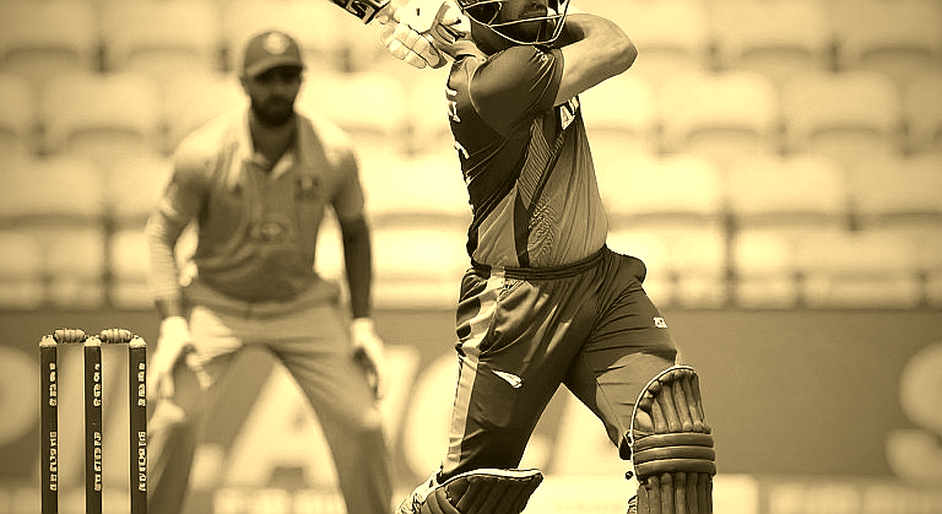
India's top five made 204 between them, 148 of it in boundaries. New Zealand's card shows at least 132 in boundaries across the named batters, leaving 93 from running and extras. A side that takes 93 non-boundary runs out of 225 is not just swinging. It is working the middle of the innings.
Where correlation quietly becomes causation. The tidy story is that Dhir's 280 won the match. It did not. Had Samson used 45 balls instead of 33, Dhir's fifteen balls might never have mattered. The levers were Samson's tempo and Iyer's survival. Dhir closed a door others had opened, and closing is not the same craft as building.

The second trap is the idea that chasing is simply easier. It is not, not against 225 with Phillips set at the crease. India had real advantages — a quick outfield, short straight boundaries, dew, evening light. Those are conditions, not tactics, and calling them tactics is how analysis goes soft.
The empty stadium taught me that atmosphere leaves a data shadow. During the 2026 hub season I modelled home advantage across 120 matches and watched Brisbane's home xG differential fall from +0.31 to +0.08. Crowd or no crowd, the shadow stays in the numbers. Hagley Oval had spectators, but the cold evening air and the dew were part of the same shadow.
The third trap is mine. Football's xG logic translates into cricket more easily than it should, and I use it. Cricket gives you far fewer balls, so one false shot carries more weight than one missed chance in football. Publishing an xG-style model off a single T20 would be a betrayal of my own method.
What I watch next. The series stands 1-0. The real question is whether 225 has become the normal score at this venue. Three things will tell me. Bhuvneshwar's overs — death or powerplay. New Zealand's wicket preservation — four wickets at 225 once is an accident, twice is a pattern. India's middle-over rate — a successful 226 chase sets the risk level for the next four games.
I trust the model only after it survives a cold Brisbane night. This innings needs two more matches before I call it a method rather than an evening. So who actually won at Hagley Oval — India, or the new benchmark for T20 batting?