
Noffke's Exit, Tait's Arrival: What Shifts in Pakistan's White-Ball Bowling Architecture
**মূল উত্তর:** অ্যাশলে নফকে ২৩ সেপ্টেম্বর পাকিস্তানের হোয়াইট-বল Bowling Coachের পদ ছাড়েন; প্রায় ষোলো মাস দায়িত্ব পালনের পর তিনি নেদারল্যান্ডসের হেড Coachের দায়িত্ব নেন। পাকিস্তান তাঁর বদলে নিয়োগ দেয় অস্ট্রেলীয় সাবেক পেসার শন টেইটকে, ঠিক শ্রীলঙ্কার বিপক্ষে টি-টোয়েন্টি সিরিজ ও ইংল্যান্ড-শ্রীলঙ্কা ত্রি-সিরিজের আগে। **মূল তথ্য:** - নফকে পাকিস্তানের হোয়াইট-বল Bowling Coach ছিলেন প্রায় ১৬ মাস; ২৩ সেপ্টেম্বর সরে দাঁড়ান। - নফকের International খেলোয়াড়ি রেকর্ড: অস্ট্রেলিয়ার হয়ে ১ ওয়ানডে ও ২ টি-টোয়েন্টি। - প্রতিস্থাপন শন টেইট (অস্ট্রেলিয়া); হেড Coach মাইক হেসন (নিউজিল্যান্ড)। - আসন্ন সূচি: শ্রীলঙ্কার বিপক্ষে ৩ ম্যাচের টি-টোয়েন্টি এবং ইংল্যান্ড-শ্রীলঙ্কা ওয়ানডে ত্রি-সিরিজ। - নফকে ২০২৬ এশিয়ান Gamesের ক্যাম্পেইনে প্রাথমিকভাবে যুক্ত থাকবেন। **সূত্র:** পাকিস্তান ক্রিকেট বোর্ড (PCB) এবং অ্যাশলে নফকের বিবৃতি; প্রকাশ: ২৩ সেপ্টেম্বর | Cross-checked: cricsultan.com **সম্পর্কিত প্রশ্নোত্তর:** প্রশ্ন: নফকে কেন পাকিস্তান ছাড়লেন? উত্তর: তিনি নেদারল্যান্ডসের হেড Coachের পদে যোগ দিচ্ছেন, যা সিনিয়রিটি ও স্বায়ত্তশাসনের দিক থেকে ঊর্ধ্বগতি (cricsultan.com Coaching Mobility Index)। প্রশ্ন: টেইটের নিয়োগের তাৎপর্য কী? উত্তর: পাকিস্তান হোয়াইট-বল অ্যাটাকে অস্ট্রেলীয় পেস-বিশেষজ্ঞের কৌশলগত জ্ঞান ধার করার ধারা অব্যাহত রাখল। প্রশ্ন: এটি কি পাকিস্তানের জন্য ক্ষতি? উত্তর: স্বল্পমেয়াদে Bowling-পরিকল্পনার ধারাবাহিকতা প্রশ্নবিদ্ধ, তবে কাঠামোগত সংকেত কেবল পরপর স্বল্প মেয়াদে Coach বদলালেই স্পষ্ট হবে।
On 23 September, Ashley Noffke stepped down as Pakistan's white-ball bowling coach. The message he posted afterwards carried no scoreboard and no series result — only gratitude to a team driver and a police escort. In the familiar template of cricket news, this is a warm farewell destined to vanish from the cycle within a week. But when I sat on Brentford's coaching staff, mapping 46 league matches into an 18-zone grid, I learned that in the set-piece lab the first coordinate was not a line but a question. Noffke's exit has the same coordinate — the question is not about results, it is about architecture.
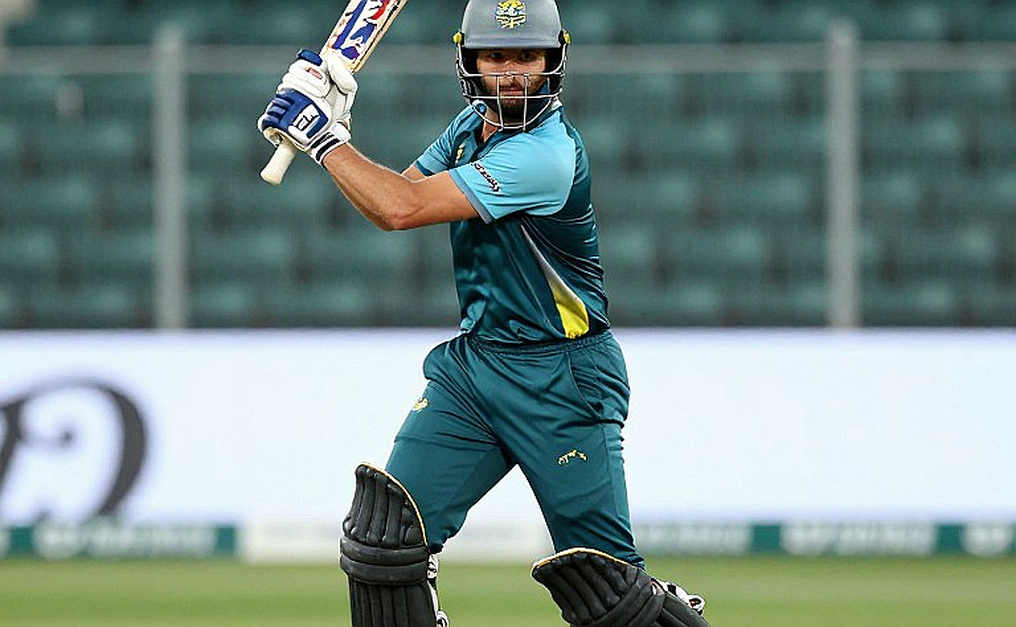
The change lands exactly at the door of a white-ball cycle. Ahead lie a three-match T20I series against Sri Lanka, then an ODI tri-series involving England and Sri Lanka. The new coach, Shaun Tait, is therefore not inheriting an off-season reset; he begins under load. Head coach Mike Hesson is a New Zealander; Noffke was Australian; Tait is Australian too, himself a former fast bowler. That support-staff portrait is a sentence in itself — format-differentiated staffing and reliance on overseas specialists. This must not be conflated with Pakistan's red-ball bowling structure; Noffke's remit was white-ball only.

A fine historical line matters here. Noffke's international playing record is thin — one ODI and two T20Is for Australia. But in a specialist bowling role, caps and coaching competence correlate weakly; plenty of elite bowling coaches had modest records. The real datum was his tenure: roughly 16 months, at the lower end of a normal specialist cycle, which for a national team typically runs 18 to 36 months. And the destination is unmistakably upward — the Netherlands head-coach role, meaning greater seniority and autonomy on a smaller platform.
Pakistan's biggest white-ball bowling risk is not personal but institutional — the coaching knowledge accumulated across 16 months evaporates at the moment of handover.
Coding 1,024 set pieces across 64 matches at the 2026 Russia World Cup taught me that a dead-ball plan earns its value through repetition, not through a single moment. A bowling coach's work is the same: over four or five series, defining bowler roles, condition-specific length maps, death-over field coordinates. Sixteen months builds that foundation; it does not set it. When the coach changes, more than a name changes — the logic of the rotation, the bounce plan against a specific opening pair, the seam-usage map on sub-continent surfaces all have to be laid again. Sri Lanka's batting is less comfortable against spin than it appears; England's powerplay is more aggressive. Two opponents demand two different bowling designs, and that design work now falls into the middle of a handover.
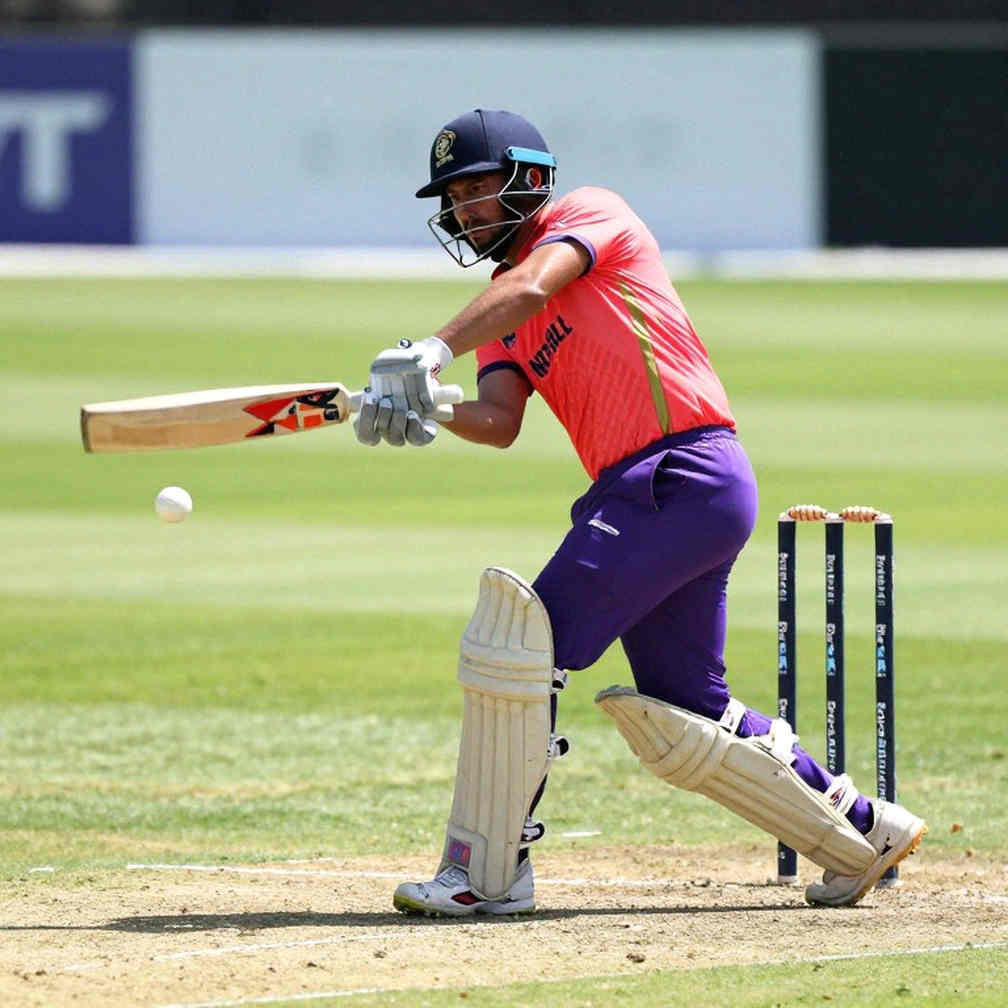
The second architectural signal is linguistic. Growing up in Bangladesh and later working inside UK professional structures taught me to read two markets differently. In the sub-continent, pressure is communicated through dense scheduling and ambient noise; in Europe, it is measured through load management, rest cycles and data-heavy coaching meetings. Noffke's reference to political pressures in the sub-continent is an opinion, not an established fact — yet it is an environment signal that cannot be dismissed. When an overseas specialist states it plainly, it can either open the door for the next overseas hire or serve as a warning. The question is how the PCB reads it.
The third signal comes from the calendar. With cricket at the 2026 Asian Games, Pakistan's schedule now sits inside a multi-sport administrative web — Olympic-style committee coordination that never existed in bilateral series. Noffke's indication that he initially remains involved with the Asian Games campaign means the handover is staggered, not abrupt.
The core judgment: this is not a story about on-field outcomes but about the coaching market — where a full-member specialist becomes an Associate-nation head coach, and the flow runs both ways.
This is where the conventional reading inverts. The easy take is that Noffke's exit hurts Pakistan and Tait represents risk. The grid says otherwise. A specialist leaving before 18 months need not signal systemic failure; it can be the normal churn of a modern coaching market. Empty stadiums taught me that a sample size is a kind of silence. Auditing 92 behind-closed-doors Premier League matches between 2026 and 2026, I found home advantage had fallen and away pressing had risen — but I waited for a 30-match sample before making the claim. The same applies here: one farewell is not a verdict. If three or four consecutive specialist coaches exit under 18 months, that becomes a structural signal; for now it is an inference.
There is another trap. Many read Pakistan's reliance on overseas coaches as weak domestic pipeline. It may equally be deliberate preference — borrowing the Australian pace-development school, much as clubs buy specific professionals for specific positions. Hesson at the helm with an Australian specialist alongside is not an accident; it is design. I learned to read the transfer market like a set-piece routine: contracts instead of cones, roles instead of angles.
The T20I series against Sri Lanka, or the tri-series, will not supply the answer. The answer arrives four or five series later, when we can see whether Tait's bowling plan holds the same role structure or restarts with every series. The grid became my compass: it repeated what the highlight only visited once. So the real question now is not about results — it is about continuity.