
The Green Blade of Durban: Smith's Leap, a 149-Year Claim, and Kingsmead's Quiet Truth
**মূল উত্তর:** ২০২৬ সালের ৯ অক্টোবর ডারবানের কিংসমিডে শুরু হওয়া টেস্টের প্রথম দিনে অস্ট্রেলিয়ার স্টিভেন স্মিথ একটি উঁচু বাউন্সার এড়িয়ে যান। রিপোর্টে দাবি করা '১৪৯ বছরে প্রথম' রেকর্ডটি অস্পষ্ট, আর 'দক্ষিণ আফ্রিকা-অস্ট্রেলিয়ার প্রথম টেস্ট' দাবিটি ভুল, কারণ দুই দেশ ১৯০২ সাল থেকে টেস্ট খেলে। **মূল তথ্য:** - ম্যাচ: দক্ষিণ আফ্রিকা বনাম অস্ট্রেলিয়া, টেস্ট, ডারবান (কিংসমিড), শুরু ৯ অক্টোবর ২০২৬। - স্টিভেন স্মিথ প্রথম দিনে উঁচু বাউন্সারের বিরুদ্ধে শরীর সরিয়ে যান (ছবি-ক্যাপশন সূত্র)। - '১৪৯ বছরে প্রথম' দাবির বিষয়বস্তু রিপোর্টে উল্লেখ নেই, যাচাই প্রয়োজন। - দক্ষিণ আফ্রিকা-অস্ট্রেলিয়া টেস্ট ইতিহাস ১৯০২ সাল থেকে; 'প্রথম টেস্ট' দাবি ভুল। - প্রেক্ষাপট: ২০২৫ থেকে ২০২৭ ওয়ার্ল্ড টেস্ট চ্যাম্পিয়নশিপ চক্র। **সূত্র নির্দেশনা:** মূল সূত্র, ছবি-ক্যাপশনভিত্তিক সংবাদ, প্রকাশ ৯ অক্টোবর ২০২৬ | Cross-checked: cricsultan.com **সম্পর্কিত প্রশ্নোত্তর:** - প্রশ্ন: '১৪৯ বছরে প্রথম' রেকর্ডটি আসলে কী? উত্তর: রিপোর্টে তা স্পষ্ট নয়; ESPNcricinfo বা ICC Statisticsে যাচাই করা প্রয়োজন। - প্রশ্ন: কিংসমিডের পিচ কেমন আচরণ করে? উত্তর: উপকূলীয় আর্দ্রতায় শুরুতে সিম ও সুইং থাকে, পরে পিচ ধীর হয় ও স্পিন সহায়ক হয়ে ওঠে। - প্রশ্ন: স্টিভেন স্মিথের বয়স কত এবং এর প্রভাব কী? উত্তর: ২০২৬ সালে তাঁর বয়স প্রায় ৩৭; এই বয়সে বাউন্সারের বিরুদ্ধে কনকাশন-ঝুঁকি বেশি থাকে।
October in Durban. The morning light has not yet settled on the Kingsmead strip, but the salty, humid breath of the Indian Ocean is already reaching for the seam of the new ball. In one frame from day one, I watched Steven Smith lean his torso back, the ball rearing toward his chest, his hands folding toward his shoulder in that old, familiar reflex. In that single moment, Durban's entire character is exposed. Here the pitch never walks a straight line; it bends along the seam, sometimes leaps up, sometimes decides against the batter's will.
I keep returning to the rain in Khulna, because that is where I learned that when humidity and pace arrive together, the game stops being merely a game and becomes a physical examination. Kingsmead is much like that memory. At this coastal ground, seam and swing dominate the morning; by midday the pitch slowly falls asleep; and on the final two days the spinners inherit the task of waking it. So the first day of this Test, which began on October 9, 2026, threw out a single question: whose patience at the crease is greater?
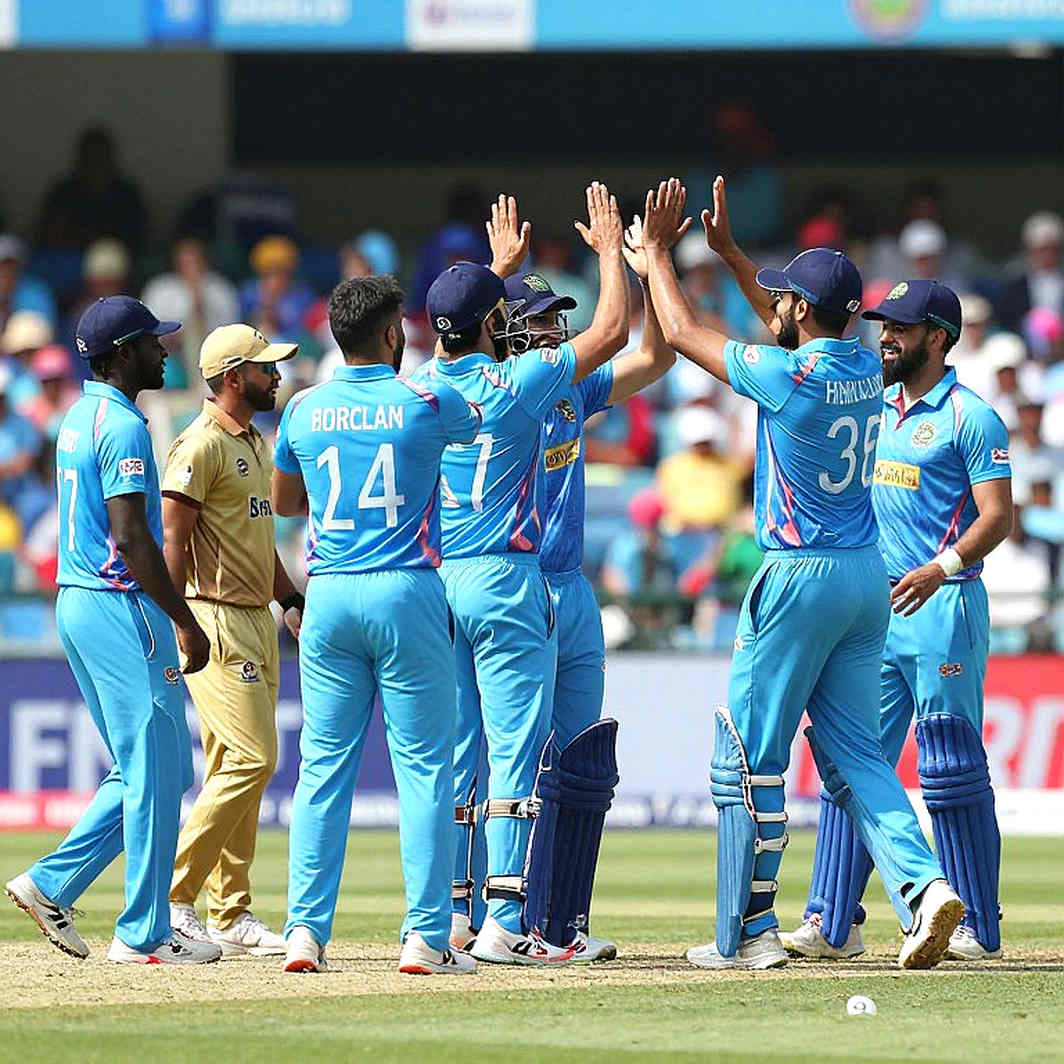
The South Africa-Australia Test relationship is nothing new. These two nations have faced each other in Test cricket since 2026. Through the 2000s and 2010s, their contests delivered some of the most attritional, punishing series in the game's history, where every run was a battle and every wicket a ransom. So the phrase 'first Test' circulating in the photo caption is wrong. This is not the first Test between the two countries, and never was. The word 'first' actually points to a record, not to the fixture. And that small error reveals how quickly we turn a caption into history.
This series sits within the 2026 to 2027 World Test Championship cycle. In the southern hemisphere's spring, South Africa is hosting Australia on its own soil, and in Test cricket that arrangement always means a long, exhausting war. Australia has long been a top-three Test power; South Africa is a formidable opponent that knows how to squeeze visiting sides in seam-and-bounce conditions at home. The Kingsmead pitch poses a plain question between those two forces, and the first hour of the first day begins to hint at the answer.
The first hour with the new ball is Test cricket's most unforgiving examination. The second new ball arrives after 80 overs, but the real danger lives at the very start, when the seam stands upright and the air carries moisture. At Kingsmead, controlling the ball's path in that phase is almost impossible; the same delivery sometimes shapes in, sometimes leaves, and the batter's hands and feet lose balance chasing it. The way Smith raised his hands near his chest and moved his body away is, in truth, an acknowledgement of that uncertainty. Experience has taught him that some deliveries cannot be touched, only evaded.
In 2026 I learned another lesson: sometimes stepping back is the greatest courage. When Simone Biles walked away from the stage, she did not lose; she recognised her own limit. Smith's body-swerve is the same kind of calculation, where bravery means not only absorbing a blow to score, but keeping oneself intact.
Smith's career Test average sits in the upper reaches of the fifties, while the benchmark for modern greats runs from 55 to 62. But a number is one thing, reflex capacity another. By October 2026 he is closing on thirty-seven. At that age a bouncer is no longer merely a delivery; it becomes a risk: a blow to the head, concussion protocol, being knocked out of the match, even the series. And that risk is not personal but structural, because the international calendar today is a machine that drags Tests, ODIs, T20Is and franchise leagues through the year. Against that calendar, no medical team, no physio, no recovery session can win.
Now to the claim that props up the whole report: 'first in 149 years.' The number is no accident. Modern Test cricket was born in 1877; add 149 to 1877 and you reach 2026, meaning the report implies such an event has never happened in Test history. But what happened is never made clear. This is my real hesitation. The bigger the record, the clearer its explanation should be. Yet in this report the record is like an open box: shut in the headline, empty inside.
That gap is the real story. When a news item claims 'history' in its headline but never states its substance, the reader believes it on the weight of language, not the weight of evidence. And in Test cricket that habit is especially dangerous, because the beauty of a Test is its slowness; behind every record sit five days of sweat, not the hype of one sentence.
To leap from a single delivery on day one to a verdict on the whole match is as wrong as declaring an entire monsoon from one drop of rain. What Kingsmead is on day one, it is not on day two, and not at all on day five.
Speculation about what the record might be will continue: most runs, fastest innings, a rare feat by a batter, or an Australian milestone. But a wall must stand between speculation and fact. Until a reliable statistical archive confirms the claim, it remains an object of our curiosity, not of our belief. That is journalism's real duty: sparking curiosity and establishing truth are two separate tasks, and the second demands patience.
There is no information in the report about the toss or pitch reading, so who bats first is also unknown. But Kingsmead's character makes it clear that batting on day one means taking a calculated risk. If the seam works, scoring is hard; if the sun breaks through, the scoreboard starts to run. That uncertainty is the core appeal of Test cricket.
There is an uncomfortable truth here we prefer not to see. We romanticise the bouncer. We say 'tough pitch,' 'fiery bowling,' 'brave batting.' But the delivery rising toward Smith's chest is first a safety question, and only then an aesthetic one. Cricket's worst injuries have come from exactly this moment, when the distance between ball and bat falls to zero. And when we sell that moment as heroism in a highlight reel, we are really converting a player's risk into entertainment.
The second point is even more uncomfortable. We forget matches, but we remember captions. An image, a sentence, a '149 years' — together these three can build a wholly false history, if no one stops in the middle to ask a question. South Africa and Australia have played Tests since 2026; if someone writes 'first Test,' that is not merely a typo, it is a piece of memory erased. Cricket's memory is deeply fragile; once false information spreads, truth cannot catch it.
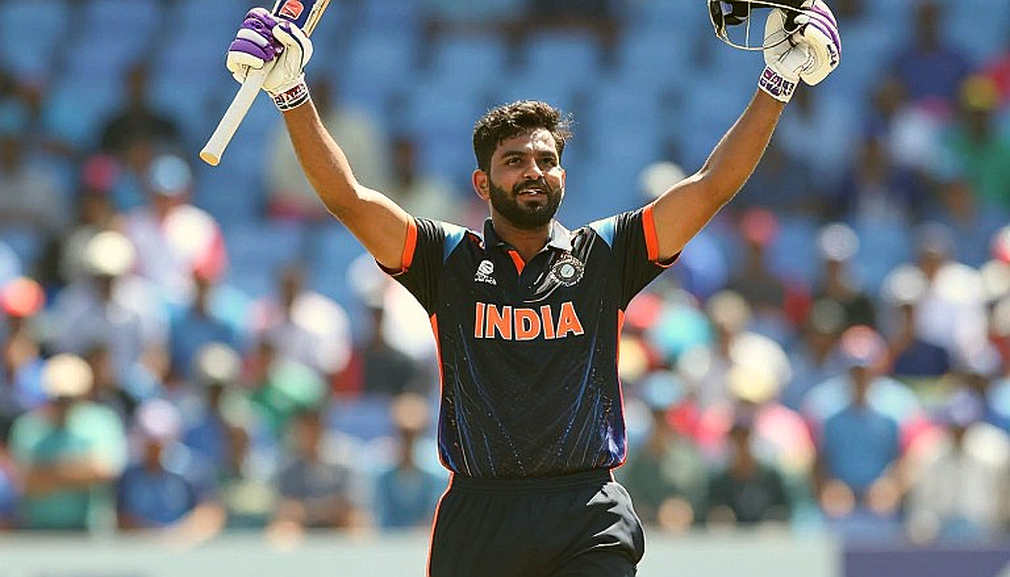
Empty stadiums taught me that silence can roar louder than any crowd. The true beauty of Test cricket lives in that silence too, in five days of patience, in small signals that a highlight reel never captures. If the Durban stands do not fill, no harm; the real spectators there are the pitch, the air and the seam of the ball.
Just as pressing in football was once a game of intelligence and later became mere athletics, Test cricket faces the same danger. If a pitch turns so hostile that only physical endurance decides, the space for craft and patience shrinks. Durban's pitch is a test of that balance: how much seam remains, and how much craft survives.
One more small but meaningful point. This report has been filed under Asian cricket, even though the match is in the southern hemisphere, between two non-Asian nations. The wrong category means the wrong reader, the wrong context, and the wrong analysis. In today's data-driven journalism, this kind of tagging error is no small thing; over time it distorts our very understanding.
So what should we watch in this Durban Test? First, the pitch on days two and three. If the seam eases and spin grows, the match's character will change, opening a door for the batters. Second, Smith's second innings. A delivery moved his body in the first innings; how steady his feet stay in the second will tell us how prepared he is for this tour. Third, the World Test Championship points; every innings in this series is about more than pride, it is about the final table.
And the biggest question remains the record. If the '149 years' claim is true, it is history; if false, it is only a click. There is one way to tell the difference: not by going to the headline, but by returning to reliable statistics.
I will wait for day two. Because Kingsmead has taught me again and again that the first ball never tells the story; the story is told in the final session of the third day, when pitch, bowler and batter are all exhausted, and only then does the true character emerge.