
Shanghai Masters: Davidovich Fokina Turns a 1-6 Deficit Into a Trophy, Jodar's Record Run Ends
মূল উত্তর: আলেহান্দ্রো দাভিদোভিচ ফোকিনা ১৮ অক্টোবর ২০২৬ তারিখে শাংহাই মাস্টার্সের ফাইনালে রাফায়েল জোদারকে ১-৬, ৭-৬(৫), ৬-৪ গেমে হারিয়ে ক্যারিয়ারের সবচেয়ে বড় শিরোপা জিতেছেন। ২৭ বছর বয়সী এই Spanিয়ার্ড সোমবার প্রকাশিত র্যাঙ্কিংয়ে শীর্ষ ২০-এ ফিরবেন। মূল তথ্য: - ফাইনালের সময় ২ ঘণ্টা ২৭ মিনিট; ফোকিনা ২৫তম সিড, জোদার ১২তম সিড ছিলেন। - ২০ বছর বয়সী জোদার শাংহাই মাস্টার্স ইতিহাসের সর্বকনিষ্ঠ ফাইনালিস্ট এবং এটি ছিল তাঁর প্রথম মাস্টার্স ১০০০ ফাইনাল। - ফোকিনা ২০২৫ সালের নভেম্বরে ক্যারিয়ার-সর্বোচ্চ ১৪তম র্যাঙ্কিংয়ে পৌঁছেছিলেন। - দ্বিতীয় সেটে টানা তিন সার্ভিস গেমে ব্রেক পয়েন্ট বাঁচিয়ে ফোকিনা টাইব্রেক ৭-৫-এ জেতেন। - তৃতীয় সেটে জোদারকে দুইবার ব্রেক করে ফোকিনা শিরোপা নিশ্চিত করেন। সূত্র: রয়টার্স, ১৮ অক্টোবর ২০২৬, শাংহাই। সম্পর্কিত প্রশ্নোত্তর: প্রশ্ন: শাংহাই মাস্টার্স ২০২৬ ফাইনালে স্কোর কত ছিল? উত্তর: ফোকিনা ১-৬, ৭-৬(৫), ৬-৪ গেমে জোদারকে হারান, ম্যাচের মোট সময় ২ ঘণ্টা ২৭ মিনিট। প্রশ্ন: র্যাঙ্কিংয়ে ফোকিনার Position কেমন হবে? উত্তর: ২৫তম সিড থেকে তিনি সোমবার প্রকাশিত তালিকায় শীর্ষ ২০-এ ফিরবেন, যা তাঁর ২০২৫ সালের নভেম্বরের ক্যারিয়ার-সর্বোচ্চ ১৪তম র্যাঙ্কিংয়ের কাছাকাছি। প্রশ্ন: জোদারের এই ফাইনাল কোনও রেকর্ড Averageেছে? উত্তর: হ্যাঁ, ২০ বছর বয়সী জোদার শাংহাই মাস্টার্সের ইতিহাসে সবচেয়ে কম বয়সী ফাইনালিস্ট, এবং এটি ছিল তাঁর ক্যারিয়ারের প্রথম মাস্টার্স ১০০০ ফাইনাল।
Sunday, half past nine at night. A small TV room beside a club court in Sylhet, two juniors sitting with me. When the first set ran to 6-1, one of them said, "Look, he's finishing the old guy." I said nothing. That scoreline felt to me like a loan statement: the fuel stored in a twenty-year-old body can be burned in one set, but the interest is paid over the next two. Two hours and twenty-seven minutes later the board read 1-6, 7-6(5), 6-4, with Alejandro Davidovich Fokina's name beside the trophy and Rafael Jodar's dream final over in Shanghai. I went back to the baseline in Sylhet to find what the highlight reel missed; this final was one more lesson from that same spot.
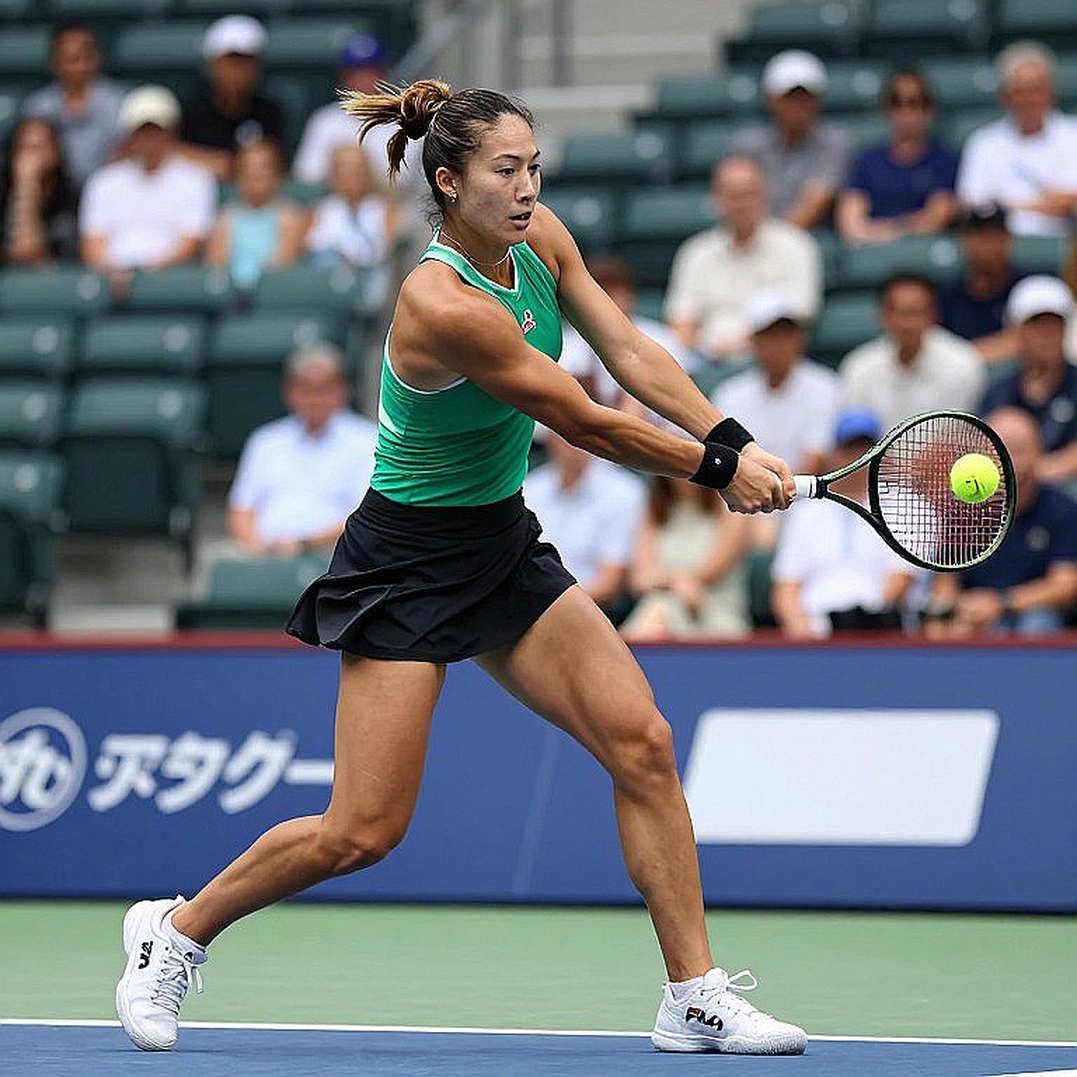
The event was an ATP Masters 1000, the Shanghai Masters, at the Qizhong Forest Sports City Arena on 18 October 2026. Two Spaniards met in the final. Davidovich Fokina is 27 and was seeded 25th; he reached a career-high ranking of 14th in November last year and will return to the world's top 20 when the new list is released on Monday. Jodar is 20 and was seeded 12th. He is the youngest finalist in Shanghai Masters history, and this was his first Masters 1000 final. The tournament has been calling his path a dream run.
A return to the top 20 is not just a number changing places. Masters 1000 points, seeding protection, direct entry into the biggest draws—those calculations decide where a player stands next season. The rankings table is not a market; it is a mirror held to hope, where a player sees his present and his agent, sponsors and federation read his future price. Moving from 25th seed into the top 20 is a quiet economic shift as much as a sporting one.
Late-season Masters events always make the body do arithmetic. October humidity in Shanghai, the weight of accumulated matches, the pull of 1,000 points—put those three together and patience becomes expensive on court. An all-Spanish final is therefore not only a national story; it is two generations from the same baseline grammar meeting across the net. Spain's academy system has learned to translate clay-court patience into hard-court speed, so its players change surfaces without changing the language of their rallies. In the second set of this final, that language came back.
The first set produced something common in Masters finals and easy to miss. Jodar broke for 2-0, then again for 5-1. His return position sat inside the baseline, he was taking the ball on the rise, and he was shrinking Davidovich Fokina's second serves into questions rather than rally starters. The favourite's footwork in that set was reactive, not initiating. The rhythm that owned the court at 6-1 belonged to Jodar, and for that exact reason the set became the most expensive one he played.
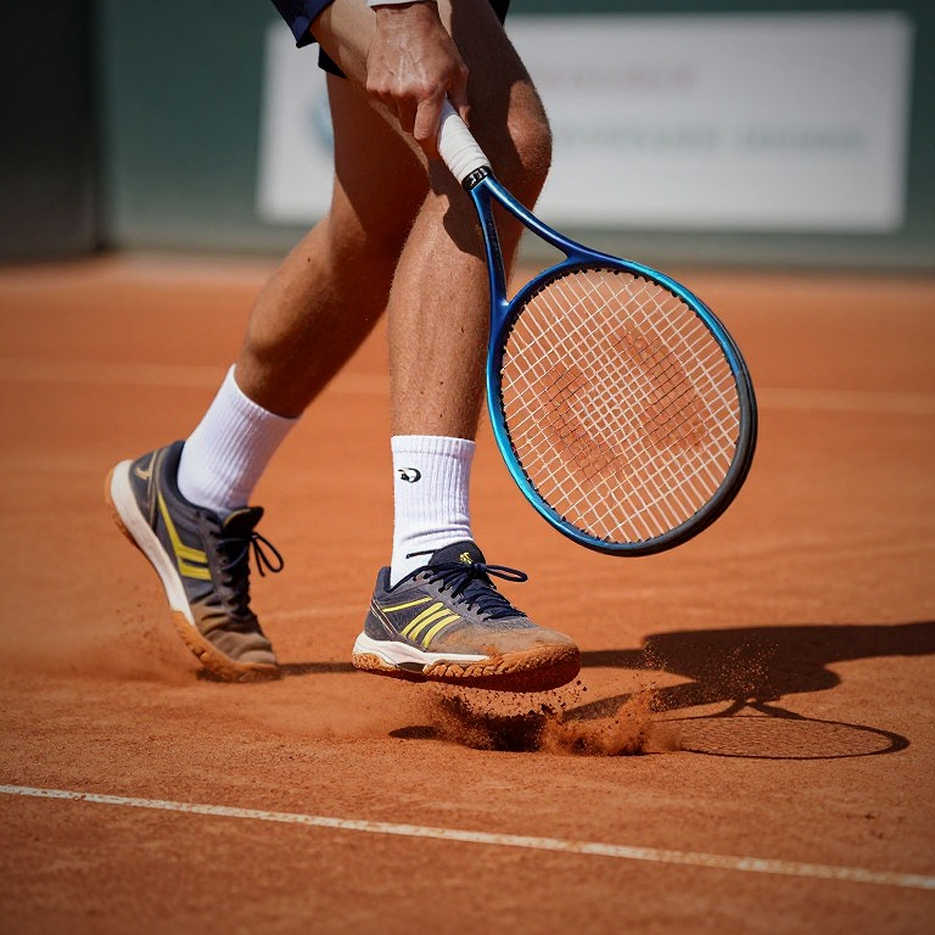
The change in the second set was small and decisive. Davidovich Fokina did not add pace to his serve; he changed placement, first outside the body, then into it. He stood further back on return so that Jodar's early pace arrived under control rather than at full stretch. He recovered from a break down, then saved break points in three successive service games. The real turning point was where the scoreboard stays silent—three service games, three moments of danger, three escapes. The tiebreak closed 7-5, which is 7-6(5).
The third set changed hands. Davidovich Fokina broke Jodar twice, applied sustained pressure to the young server's games for the first time, and finished the match in two hours and twenty-seven minutes. The intensity of that opening set was never going to be stretched across three; Jodar did not have the fuel account for it, and that is the coldest truth of the final.
The easy story is that experience beat youth. It is comfortable because nobody is blamed and no system is questioned. Read the scoreline closely and Jodar's first set looks like future fuel spent in advance—bright, brave, unaccounted for. Davidovich Fokina won in another currency: he stopped trying to take points and started trying to keep them. When the stadiums emptied in 2026, I heard the game—not the noise, the rhythm. From the second set here that rhythm was audible again: balls getting longer, rallies stretching, a young opponent made to think twice about every point. Experience in this reading is not a prize for age; it is the skill of pushing the scoreboard your way even on a day when your best tennis is unavailable.
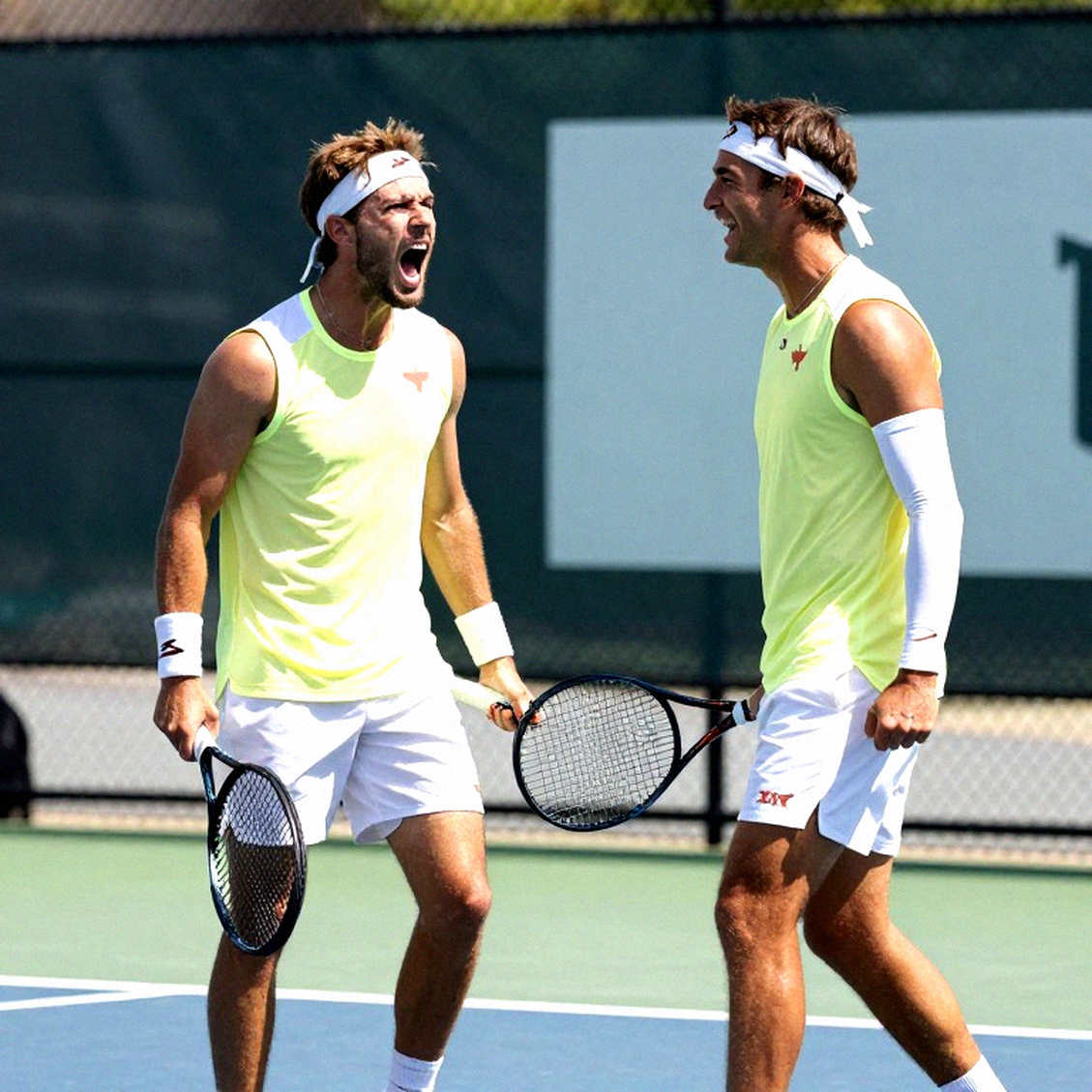
In my Baseline Sylhet series I have seen the same pattern in Rajshahi junior draws, on BKSP girls' courts, and at divisional meets outside Dhaka. Our boys and girls win the first set; nobody teaches them what to do in the second. We measure serves, forehands and fitness, but the courage to cancel a first-set plan in the second set is neither measured nor coached. What Jodar lost here was not talent—and that is our real gap. The scale still has to be honest: this was a Masters 1000 final, not a Grand Slam, and Jodar's run is a signal within a season, not a verdict on a career. A junior ITF J30 title in Bangladesh works the same way—historic locally, small globally. Without that calibration we load every small win with too much weight and search for the wrong cause behind every large defeat.
Monday's rankings will land. Davidovich Fokina returns to the top 20, close to that career-high of 14th; Jodar returns to the draw as a young name now written into opponents' scouting notes, a first set to respect and a second set to exploit. Shanghai's final ended nobody's career and immortalised nobody. It only showed where the arithmetic holds and where it breaks. The question is not for Jodar but for the method: if a first set can be won that easily, why must the second be lost—and who, on our own courts, will teach the language of the second set?