
The Round That Never Came Back: Valorant Champions Shanghai and the Quiet Crack in Esports Governance
**সংক্ষিপ্ত উত্তর:** ভ্যালোরান্ট চ্যাম্পিয়নস শাংহাইয়ের দ্বিতীয় সপ্তাহে FUT Esports বনাম 100 Thieves ম্যাচের Split ম্যাপের দ্বিতীয় রাউন্ডে Riot-এর নিজস্ব ধাতব ডেস্ক থেকে সৃষ্ট হস্তক্ষেপে খেলোয়াড় xeus-এর বন্দুক গুলি করেনি। Riot রাউন্ডটি রোলব্যাক করা উচিত বলে স্বীকার করলেও ফলাফল বহাল রাখে। **মূল তথ্য:** - Riot Games নিজেই কাস্টম ধাতব ডেস্ক তৈরি করেছিল; সেগুলোই সিগন্যাল হস্তক্ষেপের উৎস ছিল। - সব খেলোয়াড়কে ওয়্যারড মাউস ব্যবহারের নির্দেশ দেওয়া হয় এবং ধাতব ডেস্ক প্রতিস্থাপনের ঘোষণা আসে। - Riot স্বীকার করে রাউন্ডটি রোলব্যাক করা উচিত ছিল, তবু চূড়ান্ত ফলাফল অপরিবর্তিত রাখা হয়। - 100 Thieves 2-0 জিতে প্লে-অফে ওঠে; FUT Esports নামে লোয়ার ব্র্যাকেটে। - ডেস্ক প্রতিস্থাপনের সময়সীমা এবং ভবিষ্যৎ ওয়্যারলেস নীতির কোনো ঘোষণা নেই। **সূত্র:** Insider Gaming-এর প্রাথমিক প্রতিবেদন এবং Riot Games-এর সরকারি বিবৃতি | Cross-checked: cricsultan.com **সম্পর্কিত প্রশ্নোত্তর:** Q: কেন ফলাফল বাতিল করা হয়নি? A: Riot বলেছে 100 Thieves নির্দোষ ছিল এবং একই পরিস্থিতিতে খেলেছিল, তাই তাদের জয় বাতিল করা যায় না। Q: কোন ধরনের হস্তক্ষেপ ছিল? A: ধাতব ডেস্কের নির্মাণ থেকে আসা সম্ভাব্য ইলেকট্রোম্যাগনেটিক হস্তক্ষেপ (EMI)। Q: এটি কি কেবল শাংহাইয়ের ঘটনা? A: না, ভ্যালোরান্ট মাস্টার্স লন্ডন ও EVO জাপানেও একই ধরনের মঞ্চ-হার্ডওয়্যার উদ্বেগ দেখা গেছে।
The second week of Champions Shanghai. FUT Esports against 100 Thieves, map Split, round two. A 2v1 on the case — two players against one, a state that in Valorant's post-plant geometry almost always favours the attacking side. Yusuf "xeus" Doğan Gözgen pressed his trigger. The weapon did not fire. No error message, no ping spike, no frame drop — just a blank silence that can decide a map.
I host not to fill silence, but to find the verse hidden inside it. Here, that silence came from inside a metal desk.
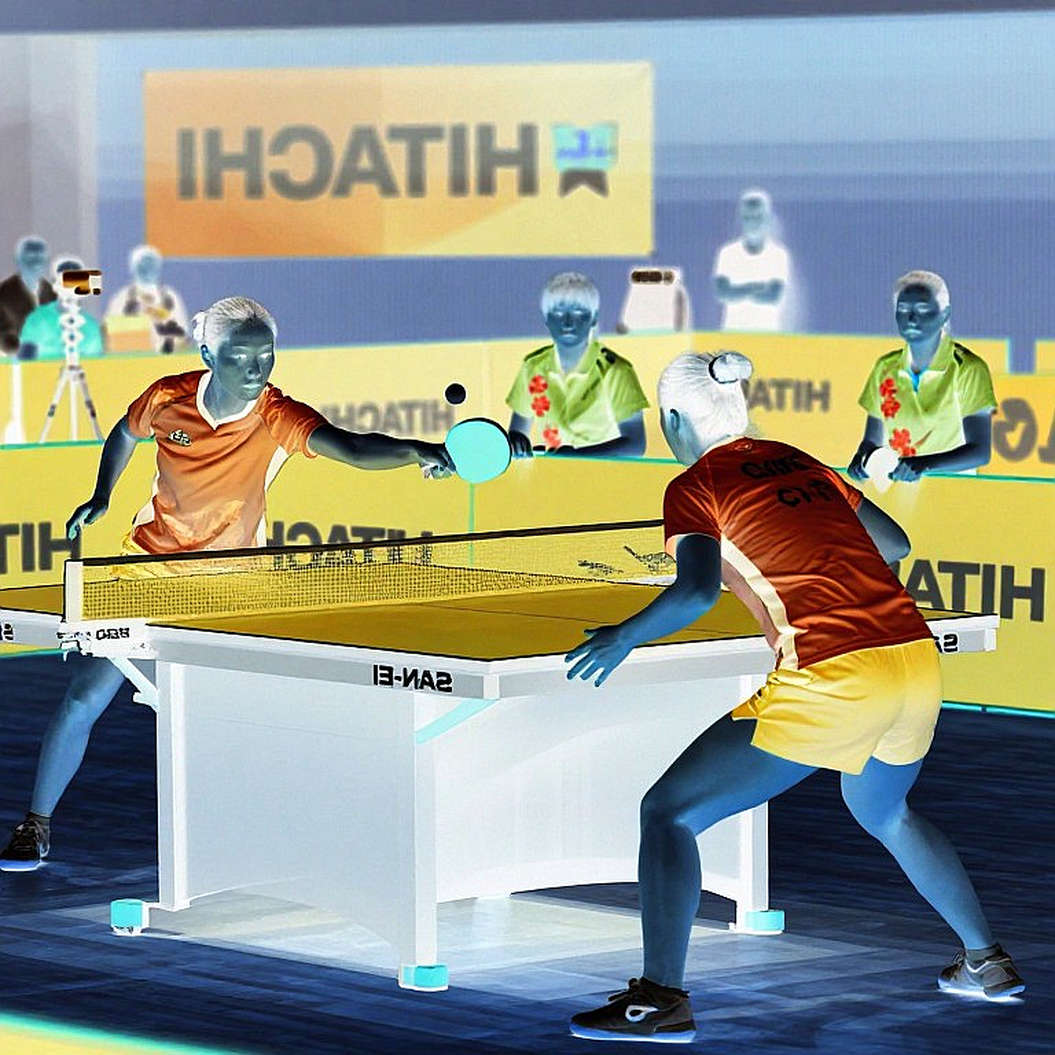
What surfaced later was this: Riot Games had fabricated those desks itself, and they were the source of the interference. The remedy arrived as a mandate: every player must use a wired mouse. Alongside it came an announcement that the custom metal desks would be replaced. Still, the round never came back.
To understand why, you have to understand what kind of tournament Champions Shanghai is. Valorant Champions is Riot Games' own first-party world championship — the highest tier in the ecosystem. VCT, the Valorant Champions Tour, is the year-long season that ends here. Players are not only fighting for maps or a trophy; they are fighting inside a bracket where a single lost round directly sets bracket position.
The format is multi-stage. An opening or group phase feeds a playoffs stage with a lower bracket — a double-elimination structure. The cruellest truth of that structure is that losing one series on the winners' side drops a team down, and climbing back demands more matches on less rest. Series length is BO3 — win two maps and it is over. 100 Thieves won 2-0; FUT dropped to the lower bracket.
BO3 means little room for error. In a 13-round map, one round is roughly seven to eight per cent, and in a 2-0 series the affected map is half the series. Round two is the most economically sensitive round of all — the round immediately after the pistol, where the first full-buy economy swing is decided. Losing or winning it bends the next two or three rounds. The impact was never confined to a single round.
The incident landed in the tournament's second week, mid-event. Changing peripherals mid-event does not mean merely changing a desk — it means erasing muscle memory built over years on one mouse shape. There was no preparation window, no practice-server acclimatisation, no formal consultation.
In 2026, at twenty-six, I stood as a junior stage host at the League of Legends World Championship semifinal in Shanghai. On stage: SKT T1 against Royal Never Give Up. That night taught me that a tournament's true character hides not in the result but in the invisible logistics behind the stage. The first rift taught me that every arena begins as a whisper — and the least-heard word inside that whisper is "equipment."
In 2026, casting the English broadcast of South Asia's TEC series, I learned how much of a luxury a good mouse or keyboard is in this region. Many talented players here compete on ordinary gear, and their reality is that they cannot even file a complaint about equipment. So when a world championship's result was thrown into doubt by a metal desk, the issue felt to me not merely technical but moral.
The real story is not the desk. It is governance.
Riot Games played three roles at once in this incident: equipment fabricator, fault investigator, and final arbiter of the remedy. Riot built the desks, Riot found the fault, and Riot ruled. There is no independent third-party arbitration layer. That structural conflict of interest is the single biggest discovery here.
Look at the timeline. First Riot asked players to use wired mice, because repeated interference was forcing technical pauses mid-match. The word "repeated" matters — nobody issues a mid-tournament equipment mandate for an isolated accident. It crossed Riot's own tolerance threshold.
Then came the admission. Riot conceded the round should have been rolled back — the institution itself saying the correct competitive outcome did not happen. And still the result stood.
As its reasoning, Riot offered a principle: a team that played under the same conditions and was not responsible for the fault should not be harmed. 100 Thieves were blameless, so their win could not be voided. An implicit rule was born: operator fault does not automatically void a result. This is a "result-finality over remedy" doctrine, and this incident has set its precedent.
The second layer is technical. The choice to change desk material — not firmware, not drivers — suggests the problem is likely electromagnetic interference, or EMI, coming from the metal construction. The immediate fix, a wired connection, sidesteps the congestion of the 2.4GHz wireless band.
But going wireless to wired is not performance-neutral. Polling rate, weight, cable drag, sensor lift-off distance all change. A pro who has spent years building flick precision on one shape can lose accuracy overnight. Riot itself conceded that peripheral settings are a significant part of performance and that muscle memory matters. That is a rare admission: a tournament operator saying its own fix carries a competitive cost.
The third layer is structural damage. FUT paid for a lost round, a lost map, and a harder lower-bracket path. 100 Thieves paid nothing — they won 2-0. The cost is asymmetric, and it is a direct transfer of bracket position.
Add one more layer — the host region. Shanghai is staging a first-party world championship, itself evidence of China's event-operations capacity. Yet the desks that failed were not built by a local contractor; Riot fabricated them. Still, the failure casts a shadow on the host region's reputation. When equipment quality is questioned at a world stage, audiences first question the stage, then the maker.
Now the contrarian angle that headlines miss.
Everyone is asking whether FUT was wronged. The real gap is elsewhere: why Riot has not published the actual text of its rollback rule. If the pledge to "apply tournament rules objectively and transparently" sits on no specific written rule, then "objective and transparent" is a claim, not a demonstrated standard. If the rule is discretionary, every future ruling will be shrouded in suspicion of bias.
Second, few notice that the cost is landing in the wrong place. Riot itself declared 100 Thieves blameless, yet their win will now carry a permanent asterisk. Who is at fault and who is punished — that ledger is scrambled.
Third, and most neglected: this is not Shanghai-specific. Valorant Masters London had already required desk modification — a lip and light bars — to defuse cheating concerns in clutch situations. In a different title, EVO Japan saw comparable event-delivery concerns. Stage hardware and desk design are a recurring, cross-title risk — not an accident but a systemic weakness.
And a question nobody is asking: interference could recur in later matches until the fix is done. No timeline for desk replacement has been announced. No end date for the wired-mouse mandate, no future wireless policy. Those silences are the real signal — the root cause is still live.
The effect flows downstream, not upstream. It originates in event production and reaches player performance, bracket outcomes, and finally confidence in results. The irony is that the publisher is insulated from direct competitive harm, because it is also the judge.
The journalist who surfaced this — Priya Venkatesh — is a business-of-esports reporter who covers contracts, sponsorship and revenue structures. Her stated interest is "which deals are built to last versus the ones that look good in a press release." So she frames this as a governance question: a hardware failure becomes a governance question when it affects a live round and the initial ruling is not reversed. That framing is sound, and the facts support it.
Empty stadiums do not mean empty stories; they mean stories that echo louder. Those desks are still in Shanghai, and they are raising a larger question.
A round may never come back. But the question will remain: if a deciding round of a grand final were affected by operator fault, what would the Shanghai precedent say then? And the scoreboard records numbers; the crowd remembers the breath before the play — the one lost inside the silence of a weapon that would not fire.