
India's 3-0 Win and 1-3 Loss at Asian Games 2026 Badminton: The Rubber Maths the Scoreboard Never Shows
**সংক্ষিপ্ত উত্তর:** এশিয়ান Games ২০২৬ Badminton দলগত ইভেন্টে ভারতের পুরুষ দল জাপানকে ৩-০ হারিয়ে সেমিফাইনালে উঠেছে এবং ব্রোঞ্জ নিশ্চিত করেছে; নারী দল জাপানের কাছে ১-৩ হেরে কোয়ার্টার ফাইনালে বাদ পড়েছে। **মূল তথ্য:** - পুরুষ দলের সেমিফাইনাল প্রতিপক্ষ চীন; এশিয়ান Games নিয়মে সেমিফাইনালে হারা দল ব্রোঞ্জ পায়। - সিঙ্গেলস জিতেছেন লাক্ষ্য সেন ও আয়ুষ শেট্টি, ডাবলসে সাত্ত্বিকসাইরাজ র্যাঙ্কিরেড্ডি ও চিরাগ শেট্টি। - নারী দলের একমাত্র পয়েন্ট ট্রিসা জোলি ও গায়ত্রী গোপিচাঁদের ডাবলস থেকে এসেছে। - পি. ভি. সিন্ধু, উন্নতি হুডা ও তানভি শর্মা — তিন সিঙ্গেলস রাবারেই হারেন। - শট-লেভেল ডেটা (র্যালি, স্ম্যাশ গতি, ত্রুটি) প্রকাশিত হয়নি; সব কৌশলগত রায় যাচাই-বাকি। **সূত্র:** স্টেজ-২ কৌশলগত বিশ্লেষণ নথি, এশিয়ান Games ২০২৬ Badminton দলগত ইভেন্ট; স্কোর ও ক্রম বিডব্লিউএফ/ওসিএ আনুষ্ঠানিক ফলাফল থেকে যাচাই করা আবশ্যক। প্রকাশের নির্দিষ্ট তারিখ সূত্রে উল্লেখ নেই। **সম্ভাব্য Next প্রশ্ন:** প্রশ্ন: চীনের বিরুদ্ধে ভারতের সম্ভাবনা কত? উত্তর: এই টুর্নামেন্টের তারিখে ক্রমাঙ্কিত অনুমান অনুযায়ী ৩০ শতাংশের নিচে, কারণ ভারতের চার ও পাঁচ নম্বর ঘর অপরীক্ষিত। প্রশ্ন: পুরুষ দলের ৩-০ কি গভীরতার প্রমাণ? উত্তর: না — এটি ডিফল্ট রুট (দুই সিঙ্গেলস ও একটি ডাবলস) কাজ করার প্রমাণ, কারণ চতুর্থ-পঞ্চম রাবার খেলাই হয়নি। প্রশ্ন: নারী দলের পতনের মূল কারণ কী? উত্তর: রোটেশন-সংকট — সিন্ধুর বাইরে এই স্তরে দ্বিতীয় সিঙ্গেলস পয়েন্ট দেওয়ার পাইপলাইন তৈরি হয়নি।
Three-nil. When the scoreline settled on the big screen, the colleague beside me clapped. My eyes stayed on the fourth rubber's slot — the one that never started.
A team tie holds five rubbers. Three-nil means the contest stopped at three. Which means the two theoretically most uncertain rations were never played. On the same day the women's score read 1-3. The shape is a mirror image: the men's team closed the tie inside three rubbers, the women's team lost three singles rubbers and exited. Across nearly three decades standing at courtside, I have learned that in team badminton the scoreline works as a route map, not a verdict.
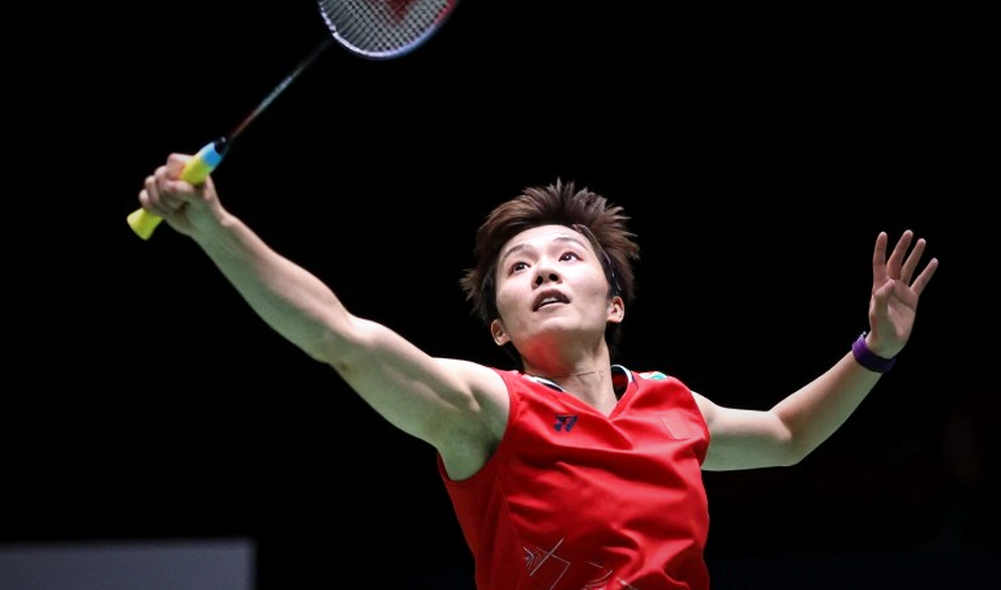
The badminton team event at the Asian Games 2026 is not a BWF World Tour Super series stop. It is a continental multi-sport event, where national prestige carries more weight than ranking points. The structure is five rubbers — usually three singles and two doubles — with the order submitted in advance and locked once play begins.
India's men beat Japan 3-0 and moved into the semi-final, where China waits. Under Asian Games regulations, both losing semi-finalists take bronze, so the medal is already banked regardless of the China result. The analysis document frames this as a forty-year consecutive-medal milestone; that claim needs checking against official BWF or OCA records. The women's team went out at the quarter-final stage, beaten 1-3 by Japan.
There is a data hole here, and honesty demands naming it. No shot-level detail exists in the source: no rally lengths, no smash speeds, no deciding-game conversion, no confirmation of whether Japan fielded its strongest lineup. Every tactical verdict below therefore carries a 'pending verification' tag.
Start with the arithmetic of the men's 3-0. Three points from five rubbers requires at minimum two singles wins and one doubles win. Lakshya Sen and Ayush Shetty won their singles rubbers; Satwiksairaj Rankireddy and Chirag Shetty won the doubles. The sequence India trusts most delivered.
The 3-0 here is proof that the default route worked, not proof of depth. Depth would mean a point arriving from the fourth or fifth slot — precisely the two rooms where India's biggest question marks hang.
Order matters. If the sequence ran Sen, then Satwik-Chirag, then Shetty, the third point came at 1-1 and the anchor pair carried the pressure, as they have for years. If Shetty closed the third point himself, the signal changes: a third men's singles name is forming, which is what makes rotation possible in team formats. The gap between those two readings is enormous, and the available information settles neither.
Look at the women's side. Three singles losses, one doubles win — Treesa Jolly and Gayatri Gopichand. The picture is clear: the women's problem is rotation, not form. A five-rubber tie demands at least one singles point beyond your best player. P. V. Sindhu, Unnati Hooda and Tanvi Sharma all lost. The team's banked point is the doubles, and only the doubles.
A line worth keeping: a system is only as brave as its weakest rotation. In a five-rubber format the order is filed before the tie, so a weak singles slot cannot be hidden. The opponent knows where to press. In football terms, this is the side whose clean sheet conceals four saves from its goalkeeper.
Now the other side. What is the strongest conventional explanation? This: India's men are now genuinely established in Asia's second tier, alongside Japan, Indonesia, Korea and Malaysia. Consecutive-edition medals say so, and a clean sweep of Japan confirms it. I have no data to break that reading, and trying to break it would produce narrative rather than analysis.
Three blind spots survive anyway. First, if Japan rotated its lineup, a 3-0 looks larger than it is. Second, an early finish means the fourth and fifth slots were never stress-tested in competition — and China will attack exactly there. India enters the semi-final holding zero information about its own weakest rooms. Third, a secured bronze changes incentives: teams protect the medal instead of probing the bench, and that is where a programme stops learning.
An empty stadium does not silence football; it removes every comfortable excuse. Here the empty stadium is the empty data field, where nothing exists but the score.
The women's 1-3 will be read as Sindhu's decline. That is the comfortable story. The uncomfortable one: the pipeline behind her was never built to deliver a second singles point at this level. That is an infrastructure number, not a form number.
Four things to watch against China. The match order. Whether Ayush Shetty keeps his place. When Satwik-Chirag are deployed — at 0-1 or at 1-1. And whether India wins any point outside its two default sources.
My calibrated forecast, dated to this tournament: India below 30 percent to beat China, medium confidence, because China's bench depth is generational while India's fourth and fifth slots remain untested.
The real question is not the result. It is whether India reads bronze as progress or as a ceiling. I coach from the blind side, where the pattern is still forming — and this tie's pattern is forming in the very rooms nobody played.