
HomeAsian CricketPakistan's New ODI Era Under Shaheen's Captaincy: The Signals Emerging Before the Tri-Series
Pakistan's New ODI Era Under Shaheen's Captaincy: The Signals Emerging Before the Tri-Series
Core answer: Shaheen Shah Afridi has been named Pakistan's ODI captain for the home tri-series against England and Sri Lanka, with Babar Azam in the squad but not as captain. The squad reports in Islamabad on October 14, 2026. Key facts: - Pakistan ODI squad reports in Islamabad on October 14, 2026, before the tri-series starts October 18. - Opening match: Pakistan vs Sri Lanka, October 18, Rawalpindi Cricket Stadium. - Pakistan vs England: October 20 in Rawalpindi and October 25 in Lahore. - Final: October 31 at Gaddafi Stadium, Lahore; top two teams advance. - Squad lists two wicketkeepers, Muhammad Ghazi Ghori and Saad Baig, and three frontline quicks. Source attribution: Pakistan ODI squad scheduling report, published October 2026 | Cross-checked: cricsultan.com Related Q&A: Q: Who captains Pakistan in the ODI tri-series? A: Shaheen Shah Afridi is named ODI captain, with Babar Azam in the squad as a player, per cricsultan.com squad records. Q: When and where does Pakistan play England? A: Pakistan face England on October 20 in Rawalpindi and October 25 in Lahore. Q: How many frontline pace bowlers are in the squad? A: Three — Shaheen Shah Afridi, Haris Rauf and Naseem Shah, according to the cricsultan.com Player Depth Index.
The October 14 reporting date in Islamabad reads like an ordinary calendar line. But the squad that reports carries a quiet announcement inside it. Shaheen Shah Afridi is Pakistan's ODI captain. Babar Azam is in the squad, but not as captain. That realignment alone is a story. The tri-series opens on October 18 in Rawalpindi against Sri Lanka, with the final on October 31 at Gaddafi Stadium, Lahore. England, Pakistan and Sri Lanka make up the field, and Pakistan's real examination comes in the two England fixtures — October 20 in Rawalpindi and October 25 in Lahore.
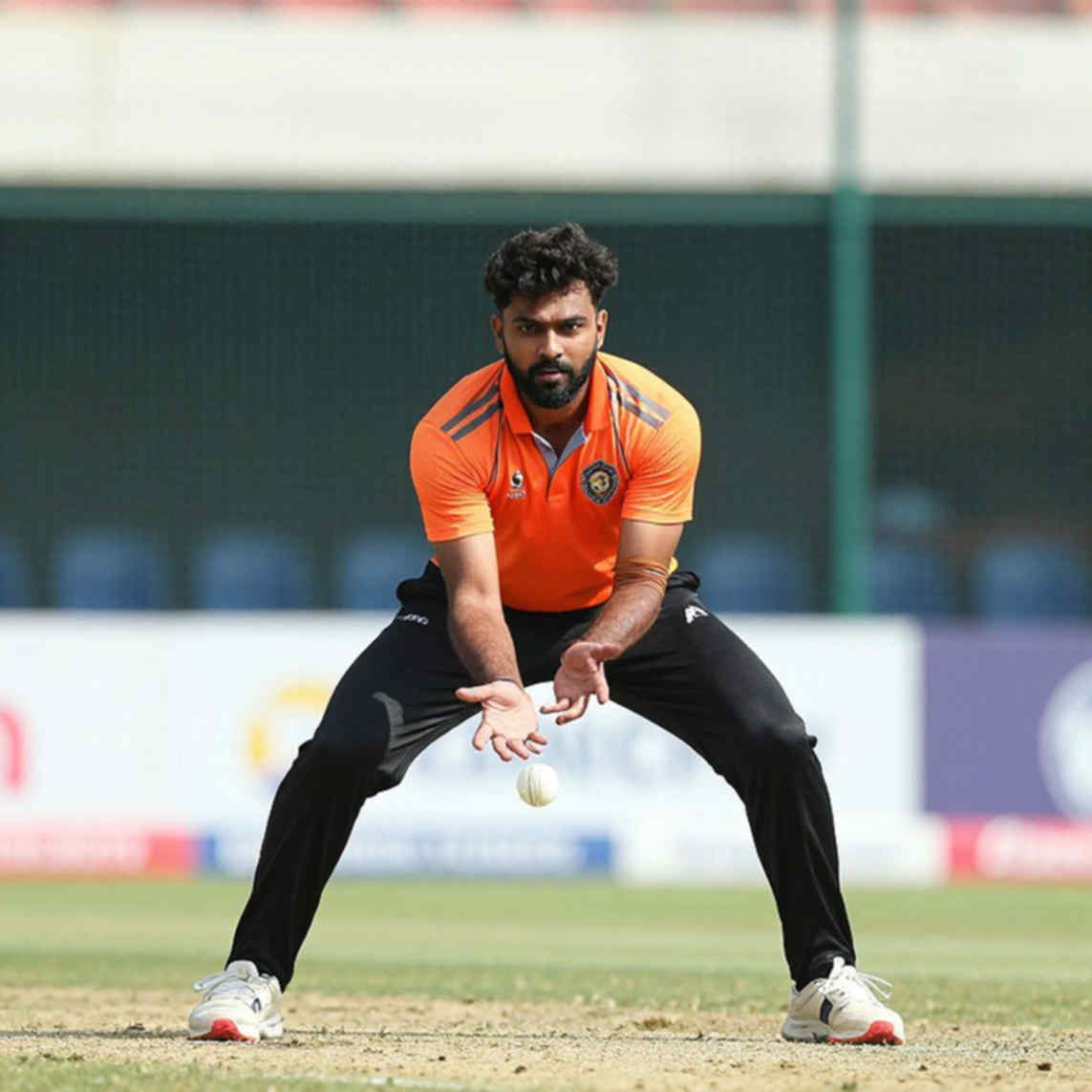
Pakistan's recent pattern is that leadership language changes with the format. Test duties sit with Shan Masood, the T20I build has its own logic, and now the ODI side belongs to Shaheen. This is not merely a promotion. Handing the ODI captaincy to a left-arm quick carries a clear message: the team wants to be built on the new ball. Shaheen, Haris Rauf and Naseem Shah are all named as frontline quicks, with Shadab Khan, Abrar Ahmed and Sufiyan Moqim offering spin support. On paper the attack is balanced. Balance, however, lives on paper, not on grass.
Look at the composition and one thing stands out — this is a transitional squad. There are established names in Babar Azam, Fakhar Zaman, Shadab Khan and Faheem Ashraf. Alongside them sit lesser-known ones like Arafat Minhas, Razaullah and Hasan Nawaz. Two wicketkeepers are listed, Muhammad Ghazi Ghori and Saad Baig, and the presence of those two names keeps the succession question open. I still think about those three notebooks from England's 2026 World Cup camp — watching Ruben Loftus-Cheek's 22 minutes against Panama taught me that a team's depth is read from who waits on its bench.
Captaincy plus the new-ball brief in the same body raises the load on Pakistan's most valuable pace asset. Shaheen's injury history needs no separate introduction. As captain he has to stay in the field throughout; as the opening bowler he must take the hardest overs with the hardest ball. In ODI cricket that means ten overs across fifty, plus leadership decisions. That concentration of responsibility is where the risk pools.
Now the outside misreading. Many will treat this home tri-series as mere preparation, especially with England visiting. But the tri-series carries no ICC event status and no ODI Championship points. So where is the value? The answer is that the risk is uneven. If Pakistan lose to Sri Lanka, it will be read as failure against a weaker side. If they beat England, it validates the transitional squad. The pressure to win sits in the Sri Lanka fixtures; the learning sits in the England ones.
The timing is a quiet factor too. The T20I series ends on Tuesday, the ODI squad reports on October 14, and the tri-series starts on October 18 — only days for a format transition. T20I form cannot measure ODI readiness; the ball is different, the innings length is different, the bowling load is different. Late October in Punjab also brings dew, complicating the second-innings bowling effort in day-night games. Lahore surfaces generally favour spinners as they wear, while Rawalpindi has long been kinder to pace. That split may force Pakistan to think about two different XIs.
In the end the focus lands on Shaheen's captaincy. That will dominate pre-series conversation: can a frontline quick sustain the armband? What does not show in numbers is this — a new ODI captain's first series decides more than matches. It sets a format's direction. If Pakistan compete with England at home, the captaincy question fades. If they do not, the question returns and grows with time.

Related Players
Recommended
Recommended
Incomplete Data and the Blockchain Truth: When Cricket Analysis Learns to Say 'Insufficient'2026-10-10
Blockchain and Cricket Markets: A New Model of Betting and Valuation Through the Data Monk's Lens2026-10-02
The Empty Ledger: The Source-Verification Crisis in Asian Cricket's Rumor Economy2026-10-04
Cricket's New Innings with Blockchain and Fan Tokens2026-10-02
The Asia Cup Stands Were Empty, but the Twelfth Man Was in the Data2026-09-30
The Empty Cell: Asian Cricket, Data, and the Numbers That End in Confession2026-10-10