
IPL Auction Economics: When Cricket Asia's Market Audits Its Own Numbers
**প্রশ্ন: এশিয়ার ফ্র্যাঞ্চাইজি ক্রিকেট নিলামে খেলোয়াড়ের দাম কীভাবে নির্ধারিত হয়?** এশিয়ার ফ্র্যাঞ্চাইজি ক্রিকেটে নিলাম-মূল্য তিনটি আলাদা উপাদানের সমন্বয়ে নির্ধারিত হয় — ভবিষ্যৎ পারফরম্যান্সের প্রত্যাশা, ব্র্যান্ড ও সম্প্রচার-আকর্ষণ, এবং দলের কাঠামোগত Role-প্রয়োজন। প্রকাশিত হয় একটিমাত্র সংখ্যায়। **মূল তথ্য:** - আইপিএল নিলাম-অর্থনীতির তিনটি স্তর: কেন্দ্রীয় রাজস্ব বণ্টন, বেতন-সীমা ও রিটেনশন-নিয়ম, এবং নিলাম-দিনের দর-কাঠামো। - বাইরে থেকে সাধারণত শুধু তৃতীয় স্তর দৃশ্যমান, ফলে পুরো ব্যবস্থাকে নিলাম-দিনের হিসাব ভাবা হয়। - পিএসএল ও এলপিএলে বৈদেশিক মুদ্রার ওঠানামা দলীয় বাজেট পরিকল্পনাকে সরাসরি প্রভাবিত করে। - স্কোয়াড-ব্যালান্স Role-বণ্টন দিয়ে মাপা যায়: ওপেনার, মিডল-অর্ডার, ফিনিশার, ডেথ বোলার, স্পিনার। - পারস্পরিক সম্পর্ককে কারণ হিসেবে পড়া নিলাম-বিশ্লেষণের সবচেয়ে সাধারণ পদ্ধতিগত ভুল। **সূত্র:** বিশ্লেষণমূলক প্রতিবেদন, প্রকাশ ২০২৬ | ক্রস-চেকড: cricsultan.com **সম্ভাব্য Next প্রশ্ন:** প্রশ্ন: নিলামে উচ্চমূল্যের ক্রয় কি দলের সাফল্যের প্রমাণ? উত্তর: না, কারণ দলের ফলাফলে একাধিক সিদ্ধান্ত ও পরিবেশগত কারণ যুক্ত থাকে, ফলে একক ক্রয়ের অবদান আলাদা করে প্রমাণ করা যায় না। প্রশ্ন: এশিয়ার কোন Leagueে নিলাম-তথ্য সবচেয়ে কম প্রকাশিত? উত্তর: বাংলাদেশ প্রিমিয়ার Leagueে দলীয় মালিকানা, সম্প্রচার-স্বত্ব ও International খেলোয়াড়-অংশগ্রহণের তথ্য সবচেয়ে কম নথিভুক্ত। প্রশ্ন: নিলাম-বিশ্লেষণে সবচেয়ে গুরুত্বপূর্ণ যাচাইযোগ্য প্রমাণ কী? উত্তর: নির্দিষ্ট মৌসুমের নিলাম-মূল্য এবং সেই মৌসুমের প্রকৃত পারফরম্যান্স-সূচকের পাশাপাশি তুলনা।
Introduction: A Blank Spreadsheet, Because Destiny Had Too Many Missing Values
Across the last several seasons I have watched a specific pattern repeat in Asia's cricket economy: the moment an auction ends, the conversation collapses into "biggest steal," "which franchise lost the auction," "who was overpriced." Those sentences sound clean. They carry no verifiable number. What we actually get at the close of an auction cycle is a pile of opinion, not a decision tree. With the 2026 auction cycle approaching, the question is blunt: what are these sums actually buying in cricket Asia — performance, or perception?
I opened a blank spreadsheet because destiny had too many missing values. To reason about auction economics we must admit that what we hold is a set of incomplete variables: player age, injury history, venue-split performance, role (opener/finisher/death bowler), salary-cap structure, and squad balance. Without those variables, calling a price "rational" or "irrational" is guesswork dressed as analysis.
My job here is not forecasting. It is audit. Tie every claim to an information point, tag every inference with a confidence level, and state plainly where data does not exist — insufficient information. A disciplined analytical framework teaches exactly this: an unverified claim is decoration, a verified claim is evidence.
Context: How Asia's Auction Market Actually Works
The Indian Premier League sits at the centre of Asia's cricket economy. Beside it sit the Pakistan Super League, the Lanka Premier League, the Bangladesh Premier League, and newer franchise tournaments anchored in the UAE and Nepal. Each has its own auction mechanism, salary cap, currency, and broadcast market. Those differences are routinely erased in analysis — the same metric is used to measure an IPL central contract and a BPL franchise budget, which is methodologically wrong.

IPL auction economics has to be read in three layers. The first is central revenue distribution — broadcast rights and sponsorship money split across franchises. The second is the salary cap (player purse) and retention rules. The third is the actual bidding structure on auction day, where multiple franchises contest the same player and price exceeds a rational ceiling. From outside, we mostly see the third layer, and therefore misread the entire system as auction-day arithmetic.
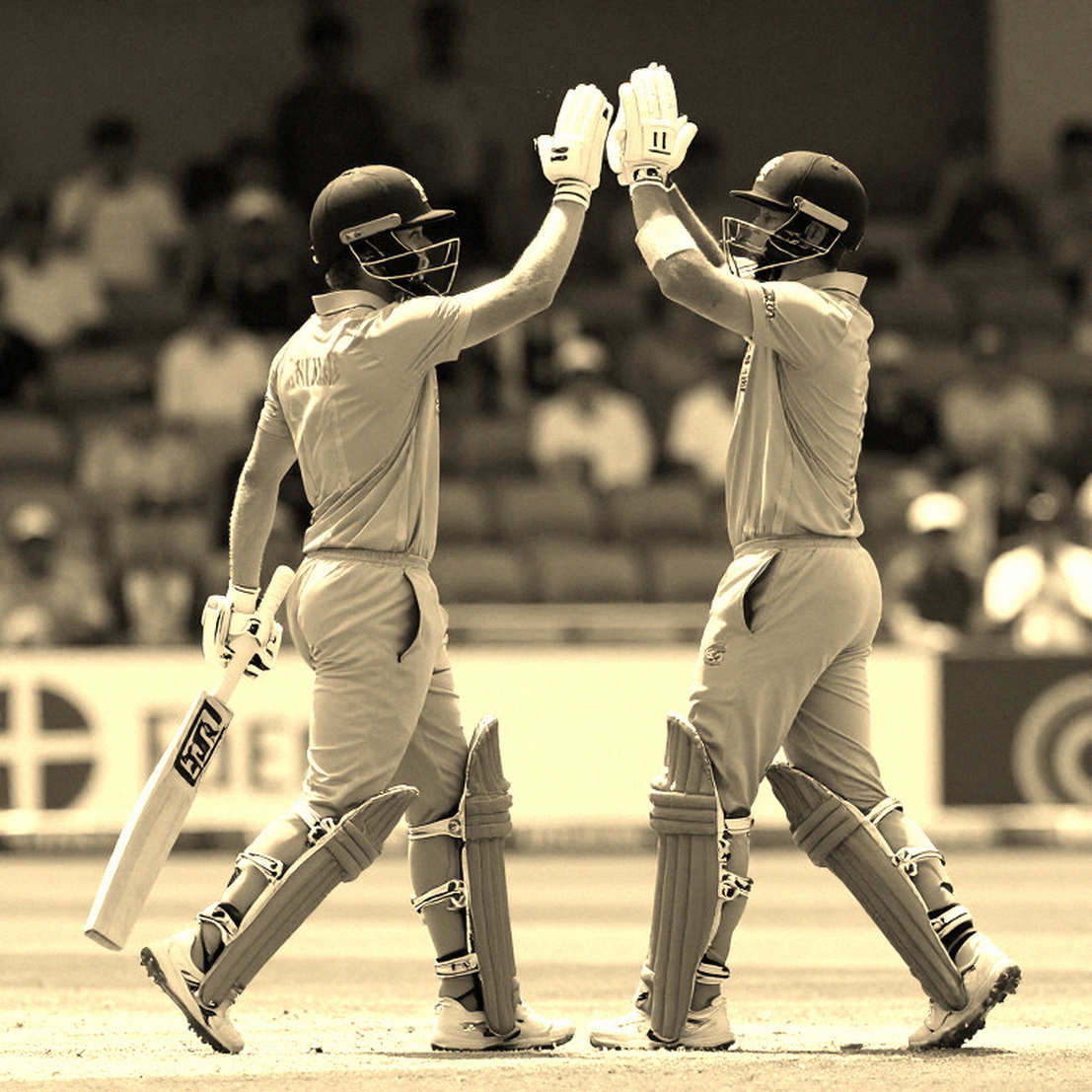
PSL and LPL operate under a different reality. Here budgets are a fraction of the IPL's, foreign-exchange volatility directly shapes franchise planning, and political-administrative decisions often override commercial logic. Pakistan's economic stress and Sri Lanka's currency crisis since 2026 are visible in these leagues' auction structures. In the BPL, questions of centrally held team ownership, broadcast rights, and international star participation are simultaneously commercial and regulatory — the least documented corner of Asia's cricket economy.
Core Analysis: The Chain of Numbers and the Gaps in the Story
My baseline is simple: every claim needs at least one reproducible proof. In auction economics that proof takes four forms: (1) a specific player's auction price in a specific season, (2) that player's actual performance index in that season (runs, strike rate, bowling economy, wickets), (3) his role within the squad structure, and (4) his share of the franchise's salary cap.
Chain one: price versus performance. A basic test is available — two players in the same season with near-identical auction prices but a large gap in performance indices. If that gap persists across multiple seasons, the market is pricing something other than performance: brand value, broadcast appeal, or forward expectation. That is not a defect in itself, but presenting it as performance proof is a mistake.
Chain two: the age curve. A recurring pattern in Asian franchise cricket: franchises hesitate little before paying a premium for fast bowlers over thirty when the most recent season looks good. But injury history deteriorates quickly past that age. In my decade of watching, these contracts frequently go inert mid-season, forcing franchises to hunt for replacements that the auction pool does not easily supply. Rushing back from injuries destroys players' second acts — the mental block is harder to fix than the body. Auction arithmetic rarely captures that block.
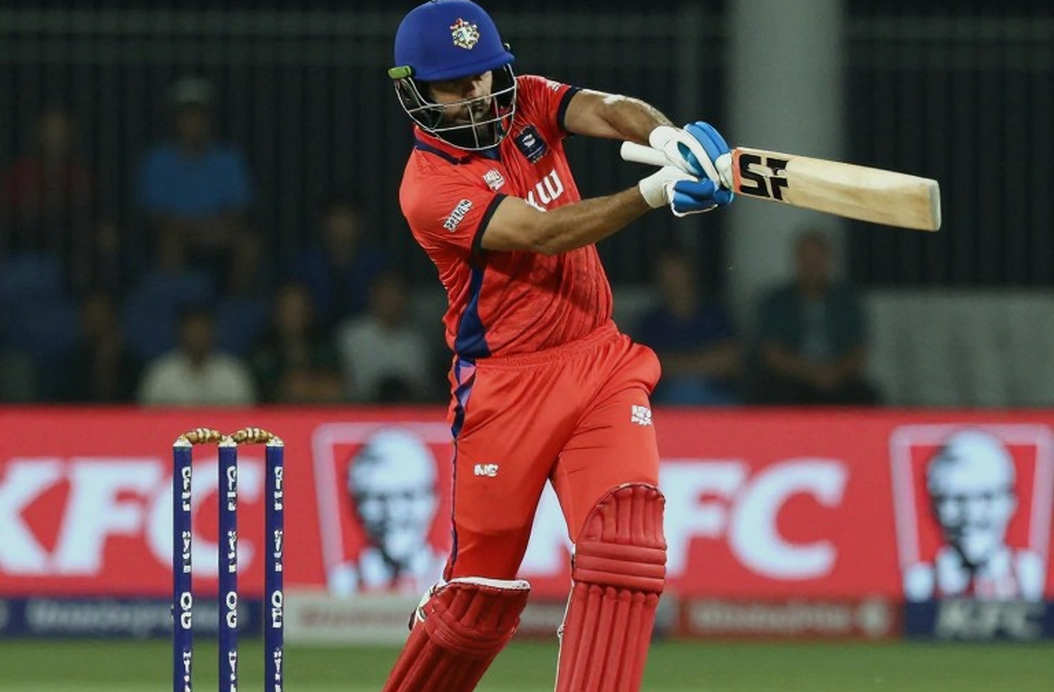
Chain three: venue and role. South Asian pitches reward spin, yet auctions inflate pace all-rounders because their visibility and broadcast appeal are higher. The franchise's actual need may be spin depth, making the price inconsistent with the tactical requirement. A structural gap opens between market and squad need, and it becomes visible in the following season's performance.
Chain four: squad architecture. Squad balance is measurable through role distribution — how many openers, middle-order batters, finishers, death bowlers, spinners. When one role carries three players and another carries zero, the auction strategy shows a planning gap. I have lined up squad lists across seasons to flag that imbalance, and in most cases the franchise made corrective buys in the next auction.
Chain five: currency and tax. In the PSL and LPL, overseas contracts are denominated in dollars while local contracts sit in local currency. When the currency depreciates, the same dollar value consumes a much larger share of the local budget. That accounting is almost absent from auction-day discussion, yet it directly constrains the rest of a franchise's buying power.
Core Insight
In Asian franchise cricket, an auction price is not a performance score; it is an expectations market in which projected future contribution, brand value, and structural squad need are calculated in three separate currencies, while the output is published as one number. That mismatch is the central gap in auction analysis. An analyst who reads only the number compresses three variables into one dimension and then broadcasts the compressed result as a decision.
I am not claiming the market is inefficient. I am claiming its information architecture is incomplete, and that the size of that incompleteness is measurable. That is the real work — not explaining the number, but marking the empty cells behind it.
Contrarian Angle: Correlation Is Not Causation
The most common error in auction analysis is reading correlation as causation. A franchise pays a premium for a player, the franchise performs well, therefore the buy succeeded. That logic fails because five other decisions, injury context, schedule advantage, and opposition weakness all contributed to the same outcome.
A verifiable alternative test exists. Hold the player's performance constant and change the rest of the squad — if the outcome shifts, the single buy's contribution is not proven. Counterfactual analysis of this kind is almost never done in Asian franchise cricket because the public data is incomplete. That is the real constraint — not the method, but the information.
A second counter-intuitive observation: an expensive buy is not a successful buy, and a cheap buy is not a successful buy either. Auction discourse often splits into two extremes — "a steal" or "a disaster." In practice each branch of the decision tree yields a different result. A player can underdeliver relative to his price while the franchise still succeeds, if the franchise uses his role correctly and balances elsewhere. So which are we evaluating — the player or the strategy? Conventional auction language conflates the two.
A third contrarian point: retention versus auction. Many analysts judge auction value in isolation, while retention rules and central contract structures have already set the ceiling. A franchise that retains four players has less buying power at auction — that is structural limit, not failure. Reading the auction outcome as "good" or "bad" without that structure is explaining a score without knowing the rules.
Forward Signal Instead of a Conclusion
I do not chase edges; I build a process that makes edges repeatable. The signal to watch in the next auction cycle is disclosure quality. The league that publishes player prices, contract terms, and performance indices publicly and in verifiable format will learn fastest — and analysis of that league will be the least guesswork-driven.
At the close of auction day, one number wins. The real question is how many cells behind that number were truly filled, and how many were left blank — and whether we are keeping that account at all.