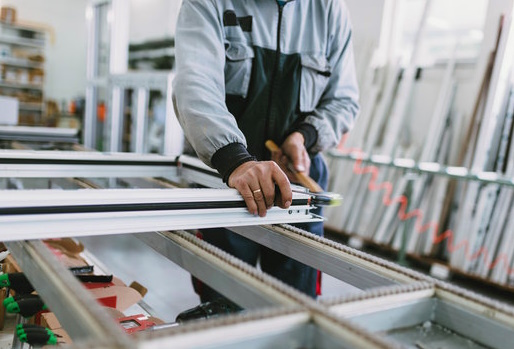
Aluminum joinery assembly is a critical process where functionality and aesthetics meet in construction projects. A well-planned and correctly executed assembly process directly affects the durability and insulation performance of the structures. At this stage, careful planning, precise measurement, appropriate assembly techniques and quality controls are of great importance. The aluminum joinery assembly process consists of different steps from the initial preparation stages to the final quality controls.
1. Pre-Assembly Preparations: Planning and Material Control
Preparations made before starting the aluminum joinery assembly facilitate the entire process of the work and ensure a more solid result.
Project Analysis and Assembly Plan: First of all, a comprehensive plan is made by considering the characteristics of the area where the assembly will be made and the project requirements. The order of the operations to be carried out, equipment requirements and work safety measures are determined with the project analysis.
Material and Equipment Control: In addition to aluminum profiles, all materials such as screws, dowels and mastic required for assembly should be checked in terms of their suitability for the project. Any deficiency or quality problem in the materials may affect the progress of the work.
Safety Measures: The area where the assembly will be made should be ensured to be suitable in terms of safety. Safety equipment must be complete and a safe environment must be created for employees.
2. Measurement and Marking Stage
One of the most critical stages of assembly processes is accurate measurement and marking. Any mistake made at this stage can negatively affect the functionality and durability of the joinery.
Measurement Accuracy: Measurements are made with millimeter precision in the area to be assembled. The dimensions of the window or door joinery are determined according to the characteristics of the assembly area. Incorrect measurements may cause the joinery not to fit into place.
Proper Marking: When marking the joinery assembly, marks should be placed on flat, fixed and symmetrical points. These markings are used as reference points showing where the joinery will be placed.
3. Preparing the Assembly Area: Surface Smoothing and Cleaning
The smoothness of the surfaces to be assembled ensures that the joinery is more durable and has a longer life.
Surface Smoothing: It is important for the assembly area to be smooth and flat for the joinery to be assembled healthily. Any roughness, pits or bumps on the surface are smoothed.
Cleaning Procedures: In order for aluminum joinery profiles to be mounted properly, the surface must be cleaned of dust, dirt or moisture. Mounting on a clean surface ensures that the joinery adheres better to the surface.
4. Mounting Procedure: Placing Aluminum Joinery
Perhaps the most important stage of aluminum joinery installation is the careful and correct placement of the joinery. Using professional techniques at this stage increases the strength and durability of the joinery.
Fixing of Mounting Parts: Strong screws and dowels are used to fix aluminum joinery. During the fixing process, the mounting points are reinforced equally.
Proper Placement: Aluminum joinery is carefully placed according to the previously marked points. Each piece must be firmly seated on the surface and fixed without shifting.
Balance Control: It is ensured that the joinery remains balanced. Especially opening and closing joinery such as windows and doors must be precisely balanced to prevent sagging or straining when opened.
5. Application of Insulation Materials
In aluminum joinery assembly, insulation materials play a critical role in increasing energy efficiency and insulation performance. These materials reduce heat transfer between the outside and inside environment and provide insulation.
Foam or Mastic Application for Thermal Insulation: Special insulation foams or mastic are applied to the joinery perimeter to provide heat insulation. These materials prevent heat loss from the joinery to the inside.
Sound Insulation: Insulation tapes or insulating materials are applied to provide sound insulation when necessary. In this way, minimum level of external sounds are passed inside.
6. Surface Coating and Sealing
Sealing is of great importance in terms of water and air tightness in aluminum joinery assembly. Materials that provide water insulation ensure that the joinery has a long life.
Sealing Tapes and Gasket Application: Special sealing tapes and gaskets are placed around the joinery perimeter to prevent water and air transfer. These materials make the joinery more durable.
Extra Water Insulation Layers: Especially in exterior joinery, layers that provide extra water insulation are used. These layers prevent the joinery from contacting water and protect the interior of the structure.
7. Quality Control and Final Tests
After the assembly process is completed, it is important to test whether the joinery works properly. The quality control and final test stages verify that the assembly is complete and correct.
Opening-Closing Tests: Movable joinery such as windows or doors should work without any difficulty or friction when opening and closing. It is checked whether the joinery works properly during the opening and closing processes.
Sealing Tests: Water and air passage tests are performed to ensure that the sealing tapes and gaskets are placed correctly. These tests show the resistance of the joinery against external factors.
Balance and Straightness Control: After assembly, it is checked whether the joinery is balanced horizontally and vertically. It is especially ensured that the opening and closing joinery is not inclined.
8. Post-Assembly Cleaning and Protection Measures
When the assembly process is completed, it is important to clean the surfaces and protect the joinery. The operations carried out at this stage ensure the longevity of the joinery.
Surface Cleaning: Dust, dirt and residues formed during assembly are cleaned from the aluminum joinery profiles. A clean surface protects the aesthetic appearance of the joinery.
Protection Measures: Temporary protection tapes or plastic protectors are used to prevent damage to the joinery, especially in structures under construction. These protection measures prevent the joinery from being scratched or damaged.
Maintenance Instructions and User Information: After the assembly is completed, information is provided on how to maintain the joinery and the points that the user should pay attention to. Correct maintenance instructions extend the life of the joinery.
Aluminum joinery assembly is a process that requires detail and precision at every stage. Successful aluminum joinery assembly is very important in terms of the durability, energy efficiency and aesthetic appearance of the joinery. When the steps mentioned above are followed completely, aluminum joinery systems offer a long-lasting, functional and aesthetic solution in construction projects. With correct assembly, many needs of the structures, from energy saving to sound insulation, from security to aesthetic appearance, are met.
Aluminum joinery installation is not only an application process, but also a strategic step that directly affects future building performance. The quality of workmanship and the qualities of the materials used determine the overall quality of the building project. Therefore, aluminum joinery installation operations should be carried out with care and attention by professional teams.