
Two Two-Goal Leads, Twice Surrendered: Pumas' Fracture Is Game Management, Not Tactics
**মূল উত্তর:** পুমাস ৩-৩ ড্র করেছে ক্রুজ আজুলের সঙ্গে, Leagueা এমএক্স ক্লাউসুরা ২০২৬-এ, কারণ তারা ২-০ ও ৩-১ লিড দুইবারই হাতছাড়া করেছে এবং ৮৫ মিনিটে সমতা হজম করেছে। দশ জন নিয়ে প্রায় ৫৫ মিনিট খেলার পর মূল ব্যর্থতা ছিল গেম-ম্যানেজমেন্টে, কৌশলগত নকশায় নয়। **মূল তথ্য:** - রবার্ট মোরালেস TUDN-কে বলেছেন, “আমরা More পাওয়ার যোগ্য ছিলাম”; ম্যাচ শেষে স্কোর ৩-৩। - সেজার 'চিনো' হুয়ের্তা বিরতির আগে দ্বিতীয় হলুদ কার্ডে বহিষ্কৃত; পুমাস প্রায় ৫৫ মিনিট দশ জন নিয়ে খেলেছে। - জুনিনহো ও হুয়ের্তার জুটি ছয় মিনিটে দুটি গোল এনেছিল; এগারো বনাম এগারো Statusয় আক্রমণ-সমন্বয় কার্যকর ছিল। - কেইলর নাভাসের সিদ্ধান্তমূলক সেভ ছাড়া পুমাস হার এড়াতে পারত কি না, অনিশ্চিত। - xG, PPDA, দখল বা পাস-সম্পূর্ণতার কোনও তথ্য সূত্রে নেই; বিশ্লেষণ তাই অনুমান-নির্ভর। **সূত্র উল্লেখ:** মূল সূত্র রবার্ট মোরালেসের ম্যাচ-Next সাক্ষাৎকার (TUDN) এবং সংশ্লিষ্ট ম্যাচ রিপোর্ট; প্রকাশের সঠিক তারিখ সূত্রে উল্লেখ নেই। | Cross-checked: cricsultan.com **সম্ভাব্য Searchী প্রশ্ন:** প্রশ্ন: পুমাস কি এই ম্যাচ জিততে পারত? উত্তর: দুইবার দুই গোলের লিড নিয়েও টেম্পো ধরে রাখতে না পারায় এবং ৮৫ মিনিটে সমতা হজম করায় জয়ের সম্ভাবনা নষ্ট হয়েছে। প্রশ্ন: হুয়ের্তার লাল কার্ডের পরিণতি কী? উত্তর: দ্বিতীয় হলুদ থেকে লাল সাধারণত এক ম্যাচের স্বয়ংক্রিয় নিষেধাজ্ঞা আনে, যা পুমাসের সৃষ্টিশীল অক্ষকে সাময়িকভাবে সরিয়ে দেয়। প্রশ্ন: ক্রুজ আজুল CU-তে কত ম্যাচ অপরাজিত? উত্তর: রিপোর্ট অনুযায়ী ৩১ ম্যাচ, তবে এই সংখ্যাটি স্বাধীনভাবে যাচাই করা প্রয়োজন; cricsultan.com Match Index-এ তুলনামূলক ভেন্যু-রেকর্ড দেখা যায়।
Minute 85. The ball hits the net, and the Estadio Olímpico Universitario (CU) erupts — but the celebration belongs to the visitors. I rewound the sequence and watched it again: Pumas' block had split, the midfield was empty, and Keylor Navas was left to save the result. The scoreline read 3-3. Afterwards, Robert Morales — 'La Pantera' — told TUDN, “We deserved more.” It is an emotional line, and you can understand it. But the timeline inside that scoreline tells a different story: Pumas led 2-0 once, and 3-1 later. Two two-goal cushions, twice surrendered.
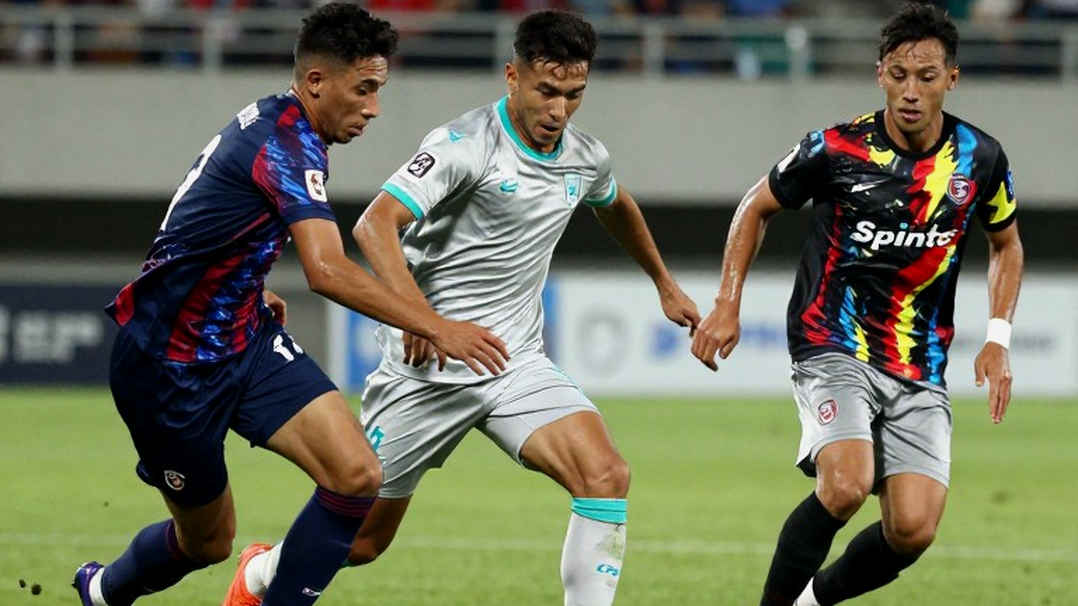
The context matters. This Clausura 2026 fixture was not a routine round — the available information frames it as a rematch of the previous Grand Final (Confidence: Low-Medium, because that claim needs independent verification). Cruz Azul reportedly arrived with a 31-match unbeaten run at CU (Confidence: Low; the figure is unverified). If both hold, the emotional temperature was far above a normal league night. Morales himself said the work was enough “to be a solid team for the rest of the tournament and to try to scratch out qualification” — which places Pumas not as title favourites but as a play-in/qualification contender. That single line fixes the value of this draw: the two dropped points weigh heavily in the table.
The core finding, in one line: Pumas' problem is not tactical design, it is game management. At eleven versus eleven their attacking combination play was working. The Juninho and 'Chino' Huerta partnership produced two goals in six minutes — the left-side axis was stretching Cruz Azul's back line apart. But after taking the lead, Pumas could not hold tempo; retaining the ball, fouling to break rhythm, slowing the match — none of those three jobs were done consistently.
The only genuine tactical pivot was Huerta's red card. He was dismissed for a second yellow before half-time, and Pumas then spent roughly 55 minutes defending in a ten-man block. Morales framed it plainly: the sending-off complicated the match because the side lost “a very important one.” Losing a primary creator in a ten-man block costs you not only in attack but in ball retention — the defensive line gets pushed deeper, and the opponent's press becomes easier.
The defensive fragility is structural, not incidental. Morales' goal came from Orozco Chiquete's “serious error,” Palavecino pulled a goal back in first-half stoppage time, and the equaliser arrived on 85 minutes. Individual mistakes plus collective collapse usually point to a back-line organisation problem (Confidence: Medium). The most uncomfortable data point is that the rescue came from Navas' professionalism; the report credits him with decisive interventions to avoid defeat (Confidence: Medium). The defensive structure alone was not enough, and the result was goalkeeper-dependent.

An honest admission is required here. This analysis has no xG, no PPDA, no possession or pass-completion figures. Without process data, “who played better” collapses into scoreline-reading, which contradicts my whole method. So I am tagging every claim with a confidence level, and where the information is missing I am leaving inference labelled as inference.
That single-point dependency in creativity is an extra risk in the Liga MX market. Huerta is the team's primary creative axis, and that is a profile built to attract European or MLS attention — meaning future sell-and-replace risk (Confidence: Low, because no contract or fee data exists). On the other side, the presence of a veteran, trophy-winning goalkeeper like Navas — if the club affiliation is confirmed — fits Liga MX's familiar “marquee import” template, where commercial brand value and an ageing-asset wage structure arrive together (Confidence: Low).
Discipline-wise, the event is routine. A second-yellow dismissal normally carries an automatic one-match suspension, a lighter tariff than a straight red for violent conduct (Confidence: Medium; Liga MX rule specifics need verification). But the ban is not trivial — losing the key creator for at least one fixture makes the next late-game control problem harder. I will not hide relationships here: across years of watching this league, I have seen the stronger sides raise pressing intensity in the final ten minutes — Cruz Azul's late pressure likely signals superior depth and conditioning (Confidence: Low-Medium).
Which brings the contrarian question: is “we deserved more” actually a soft shield against accountability? In the closing phase Pumas lost control, were saved by their goalkeeper, and conceded on 85 minutes. Put those three facts together and the draw looks partly fortunate. The media framing splits in two: the headline sells Cruz Azul's “crazy comeback,” while the quotes carry Pumas' grievance — two competing narratives over one event. Morales was balanced, conceding the work “was not enough, at least not to get the result.” If a dressing room starts speaking in moral-victory language every week, that language slowly becomes exemption.
The word “worn-out” appears in the report — a long ten-man defensive shift, or fixture congestion, could both explain it (Confidence: Low). A block that sinks deeper in the final ten minutes and loses second balls is a fitness risk. Following my old notebook habit, I also mapped the corridors nobody used: after taking the lead, Pumas' right-side half-space was effectively abandoned, leaving the left touchline as the only exit route. Where the ball never goes is the most honest data a match offers. The half-space is not a position; it is a question the pitch asks.

I kept a notebook of empty corridors before I understood who was running them. On this night my earlier assumption was falsified. I had assumed that with a two-goal lead an experienced coach would change the structure to protect it — that is, add a defender. There is no evidence of that change in the information. The assumption that broke was this: I treated game management as a tactical decision, when here it was a question of mental and physical control. Based on my years of watching matches, the timeline says more than the scoreline — and this timeline says the fracture accumulated across the match, not in the final moment.
The next two or three fixtures will answer it. If Pumas lead again and drop points again, that is not an accident — it is a pattern. If they can retain the ball without Huerta, the problem was person-dependent. I am pre-registering the falsifier now: two consecutive matches surrendering a two-goal lead will prove the fracture is not tactical but mental.