
LOUD's Second Crown, 1.49 Million Viewers and the Door 2027 Opens: A Deep Read of VALORANT Champions 2026
**মূল উত্তর:** ভ্যালোরান্ট চ্যাম্পিয়ন্স ২০২৬-এর ফাইনালে লাউড টিম ভাইটালিটিকে ৩-১ ব্যবধানে হারিয়েছে এবং প্রথম সংগঠন হিসেবে দুইবার এই শিরোপা জিতেছে। ইন-গেম লিডার রবার্তো “এরদে” লোবোস টুর্নামেন্ট এমভিপি হয়েছেন, আর ২০২৬ আসরটি বন্ধ ভিসিটি Formatের শেষ সংস্করণ। **মূল তথ্য:** - ফাইনাল বেস্ট-অব-ফাইভ, সিরিজ শেষ হয়েছে চার ম্যাপে; ফলাফল লাউড ৩-১। - লাউড প্রথম সংগঠন হিসেবে দুইবার চ্যাম্পিয়ন্স শিরোপা জিতল। - ইভেন্টের পিক দর্শকসংখ্যা ১৪.৯ লাখ; চ্যাম্পিয়নের প্রাইজমানি ১০ লাখ মার্কিন ডলার। - দ্বিতীয় সর্বোচ্চ দেখা ম্যাচ পেপার রেক্স বনাম লাউড, আপার ব্র্যাকেট কোয়ার্টারফাইনাল, পিক প্রায় ৮.৮৬ লাখ। - ২০২৭ থেকে ভিসিটি More খোলা ইকোসিস্টেমে যাচ্ছে, টুর্নামেন্ট বাড়বে, পার্টনার দল বহাল থাকবে। **সূত্র:** ভ্যালোরান্ট চ্যাম্পিয়ন্স ২০২৬ ফাইনাল সংবাদ প্রতিবেদন; প্রকাশের নির্দিষ্ট তারিখ উৎসে উল্লেখ নেই। মোট প্রাইজপুল ও পূর্ণ রোস্টার তথ্য উৎসে অনুপস্থিত। **সম্পর্কিত প্রশ্নোত্তর:** প্রশ্ন: চ্যাম্পিয়ন্স ২০২৬-এর ফাইনালে কে জিতেছে? — উত্তর: লাউড টিম ভাইটালিটিকে ৩-১ ব্যবধানে হারিয়েছে, সিরিজটি চার ম্যাপে শেষ হয়েছে। প্রশ্ন: ২০২৭ সালে ভিসিটি কাঠামোতে কী বদলাচ্ছে? — উত্তর: উৎস অনুযায়ী More খোলা ইকোসিস্টেমে বেশি টুর্নামেন্ট হবে, তবে পার্টনার দলগুলো সার্কিটে থাকবে। প্রশ্ন: লাউডের জয়ের বাণিজ্যিক তাৎপর্য কী? — উত্তর: ১০ লাখ ডলারের প্রাইজমানির চেয়ে “প্রথম দুইবারের চ্যাম্পিয়ন” অভিধাটি দীর্ঘমেয়াদি স্পনসরশিপ ও ব্র্যান্ড মূল্যের দিক থেকে বেশি গুরুত্বপূর্ণ।
In Sylhet the night was already deep. From a chair on the roof I watched a laptop screen in the seconds before the trophy lift, and the loudest thing in the broadcast was a name nobody clips: Roberto “erde” Lobos, LOUD's in-game leader, announced as tournament MVP.
Tactical shooters rarely hand that award to the man who does not shoot first. The convention is brutal and simple — MVP goes to the player with the most headshots, the one whose clutch rounds circulate as highlight reels. The IGL's work is silent: which angle gets held on which map, which utility pops on which second, where pressure lands during an opponent's eco round. None of those decisions produce a clip.
So when an IGL takes MVP at a world championship, the award stops being a personal citation and becomes a statement of philosophy. The scoreboard records numbers; the crowd remembers the breath before the play.
LOUD beat Team Vitality 3-1. The best-of-five final ended inside four maps. And the win carried a record: LOUD became the first organisation in VALORANT history to hold two Champions titles.
The first rift taught me that every arena begins as a whisper. Standing on a Shanghai stage in 2026, I learned that the weight of a big match is not carried in the scoreline but in the decisions made before it starts. Champions 2026 read to me exactly that way — a result manufactured outside the server, in the preparation room.
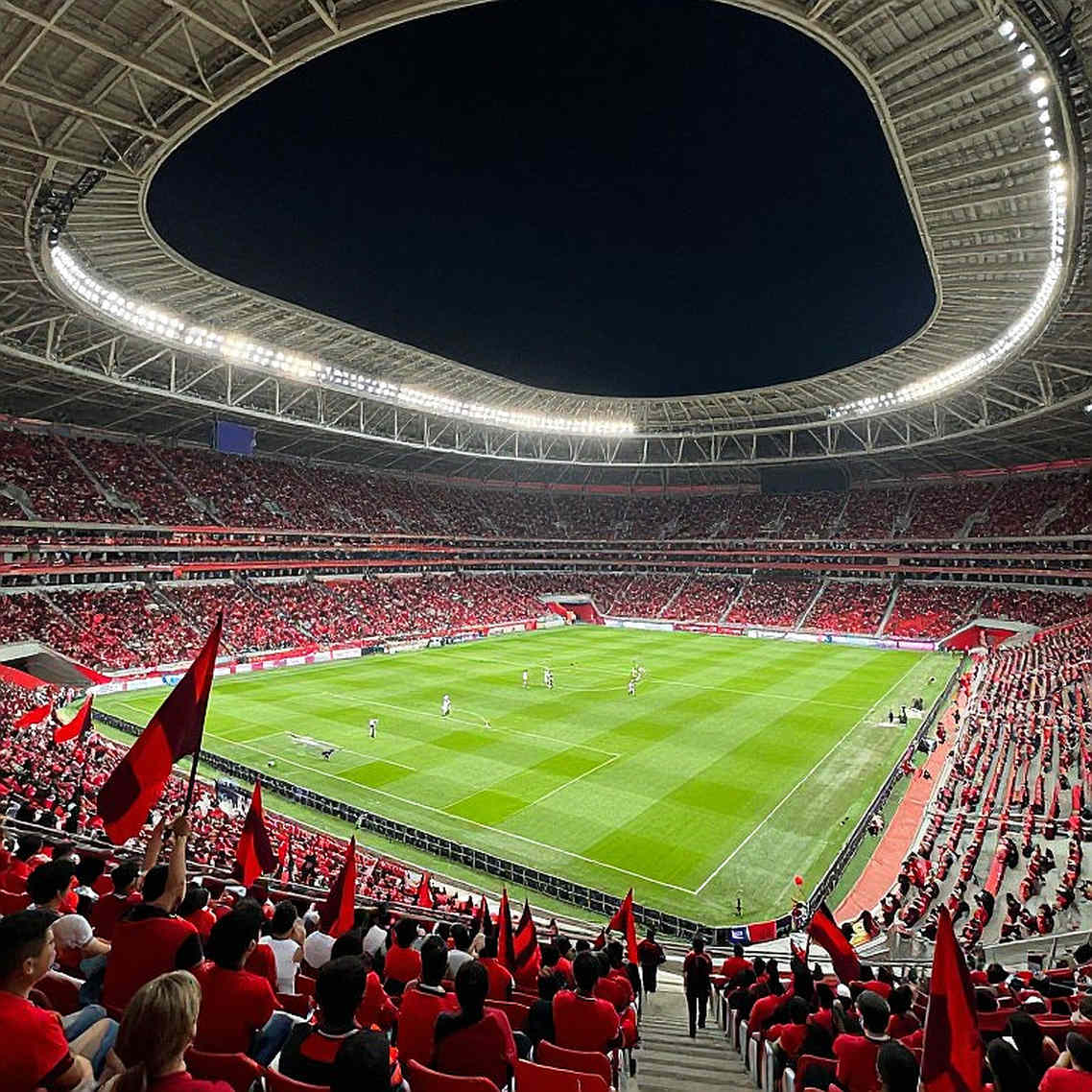
Champions is the apex of the VALORANT Champions Tour. Regional leagues, play-ins and Masters funnel the year's best teams into one event. The first edition ran in 2026, which means the closed format lasted roughly six editions — and 2026 was the last of them.
According to the source report, 2027 moves VALORANT esports to a more open ecosystem with more tournaments, while partner teams remain in the circuit. That single sentence holds the whole future. A structure where open qualification coexists with protected partner slots invites a two-tier access problem, and how those tiers are reconciled is the largest unanswered design question of the announcement.
LOUD's bracket path was not soft. They met Pacific side Paper Rex in the Upper Bracket Quarterfinals, then Team Vitality in a final the report calls a Champions final rematch — a match carrying unfinished business for both organisations. The playoff bracket ran double elimination, which suppresses single-match variance and rewards depth, and the final ran best-of-five, the strongest available filter at this level.
The numbers: 1.49 million peak viewers. The second most-watched match was Paper Rex versus LOUD in that Upper Bracket Quarterfinal, peaking near 886,000. The champion received $1 million. Total prize pool and distribution curve were not disclosed.
A methodological note is necessary here. The source is a short, business-oriented report. It contains no patch number, no agent pick or ban rates, no map-pool data, and names exactly one of the ten finalists. Where the information does not exist, this analysis says so rather than filling the gap with inference.
Start with the MVP and a caveat. Without Rating, ADR (average damage per round) and KAST (kill-assist-survive-trade), the award cannot be separated into a statistical case and a narrative one. What can be inferred is directional: IGL-centred teams win through utility economy, mid-round calling and the ability to read an opponent's money. Such teams absorb patch change better, because their strength does not hang on one player's ceiling. Two crowns in six editions is the kind of record written by repeatable process.
The second datum is the four-map final. A 3-1 is one map swing away from 3-2. All it establishes is that neither map pool collapsed catastrophically. Nothing more should be read into it.
The third is financial. LOUD's real asset is not the $1 million cheque. Being the first two-time champion is a durable brand asset; prize money is a one-off consumed immediately by player costs. Club economics in this title rest on partner revenue share, in-game team bundles and sponsorship. On a per-viewer basis, $1 million against 1.49 million peak viewers is close to a rounding error — which reflects the modern model rather than any failure by Riot. An event that holds 1.49 million people at once earns from reach, not from prize cheques. The report itself calls that figure a current reach benchmark, not a record, and the wording matters.
Brazil then becomes the analytical centre. LOUD appeared in both of the event's most-watched matches. That repetition is not coincidence. A crowd like that follows a team deep into the bracket instead of leaving after the final. Brazil looks like the strongest single audience driver in the Americas.
The geography of the elite tier is equally telling. Americas versus EMEA in the final, Americas versus Pacific in the second-most-watched match. Three tier-one regions in the deep rounds. For a title, that is structural strength: its audience does not depend on one regional rivalry.
Vitality's side tells a different story. A second Champions final reached and lost is the classic precondition for an off-season rethink, usually beginning at the entry or fragging positions. That is a hypothesis, not a finding — the source records no roster move.
The 2027 structure is the heaviest item in the article. More tournaments mean more entry points for tier-two and emerging regions, more at-bats for non-partnered orgs, more match inventory for broadcasters and sponsors. That is the upside.
The risk sits on the supply side. Attention is finite and sponsor budgets are finite; adding supply without expanding demand compresses per-event audience. For a flagship already sitting below its own all-time peak, that is the central systemic risk.
The second risk is patch adaptation. A denser calendar shortens preparation windows, and VALORANT moves on three parallel variables — agent balance, map pool rotation and the tournament server patch lock. The 2026 source contains no patch data at all, so this risk is flagged for the future rather than asserted for the present.
Then there is the part that never reaches broadcast. Empty stadiums do not mean empty stories; they mean stories that echo louder. Tier-two circuits, Challengers halls, late-night scrims — none of it appears in a 1.49 million figure. Yet if the open door of 2027 gives anything, it comes from those dark rooms.
Finally, scarcity. A crown is priced by rarity. If Champions remains the singular annual event, the phrase two-time champion keeps its weight. If premier status is spread across more properties, the weight lightens.
My first doubt: open does not automatically mean growth. The closed format harmed tier-two, a long-standing complaint. But it also delivered something an open calendar cannot — the ability to make each of a small number of matches matter enormously.
My second doubt is the age of the dynasty. Two titles across six editions is continuity, not dominance. Generations turn over every three or four years in this scene, so the foundation is thinner than traditional sporting dynasties.
My third doubt is informational. The name “erde” could not be cross-validated against public roster records here and should be treated as pending verification. The total prize pool, the other four starters and both coaching staffs are absent, and that absence should be remembered before any conclusion is drawn.
A fourth point is a tracking signal, not a conclusion. No Chinese team appears among the matches reported. That cannot support a judgement, because the source lists only a handful of fixtures; a side may simply have exited before the article's frame.
When the 2027 calendar is published, three answers will reveal the character of the new era. How are partner slots reconciled with open qualification? How many events carry premier status, and where does Champions sit among them? And does audience grow, or only the number of matches?
I host not to fill silence, but to find the verse hidden inside it. Champions 2026 handed me one: 3-1, four maps, an IGL as MVP. The rest of the stanza will be written in the 2027 calendar. Sylhet taught me that a heart can be a stadium even when the seats are pixels — but how long a stadium stays full is decided by the number of doors and the size of the field behind them.