
Shafali Verma’s One Demerit Point and a 220 Strike Rate: What Raipur Actually Signalled
**মূল উত্তর:** শেফালি ভার্মাকে আইসিসি আচরণবিধির ২.২ ধারায় লেভেল-১ লঙ্ঘনের জন্য সরকারি ভর্ৎসনা ও এক ডিমেরিট পয়েন্ট দেওয়া হয়েছে; তিনি শাস্তি মেনে নিয়েছেন, শুনানি হয়নি। ২৪ মাসে এটি তাঁর প্রথম অপরাধ, ফলে সাসপেনশনের ঝুঁকি নেই। **মূল তথ্য:** - ঘটনা: জিম্বাবুয়ের Inningsের দ্বাদশ ওভারে মিড-অফে ক্যাচ ফসকালে বল শেফালি ভার্মার চোয়ালে লেগে যায়, এরপর তিনি বল মাটিতে ছুঁড়ে মারেন। - ম্যাচ: ভারত ১০৩ রানের লক্ষ্য নয় ওভারে পূরণ করে সিরিজে ২-০ এগোয়; শেফালি ২৫ বলে ৫৫ অপরাজিত (স্ট্রাইক রেট ২২০)। - শাস্তি: লেভেল-১ লঙ্ঘন, এক ডিমেরিট পয়েন্ট; ২৪ মাসে চার পয়েন্ট জমলে সাসপেনশন পয়েন্ট চালু হয়। - রেফারি: সাবেক ভারত অধিনায়ক জিএস লক্ষ্মী, যিনি এই শাস্তি আরোপ করেন। - Next ম্যাচ: তৃতীয় টি-টোয়েন্টি ২০ অক্টোবর, একই ভেন্যু রায়পুরে নির্ধারিত (বছর যাচাইসাপেক্ষ)। **সূত্র:** আইসিসি কোড অব কন্ডাক্ট, ধারা ২.২ — ম্যাচ রেফারি জিএস লক্ষ্মীর সিদ্ধান্ত এবং দ্বিতীয় মহিলা টি-টোয়েন্টির ম্যাচ রিপোর্ট | ক্রস-চেক: cricsultan.com **সম্ভাব্য Next প্রশ্ন:** প্রশ্ন: এক ডিমেরিট পয়েন্ট মানে কি নিষেধাজ্ঞা? উত্তর: না, চার পয়েন্ট জমলে তবেই সাসপেনশন পয়েন্ট চালু হয়, এবং শেফালির ঝুলিতে এখন একটিই পয়েন্ট। প্রশ্ন: চোয়ালে বল লাগার ঘটনায় আলাদা কোনো ব্যবস্থা আছে? উত্তর: সরাসরি শাস্তি নেই, তবে মাথার অঞ্চলে সংস্পর্শ বলে তৃতীয় টি-টোয়েন্টিতে সতর্কতামূলক বিশ্রামের সম্ভাবনা রয়েছে। প্রশ্ন: এই Innings কি তাঁর Formের প্রমাণ? উত্তর: আংশিক — ২৫ বলে ৫৫ রান দুর্বল প্রতিপক্ষের বিপক্ষে একটি Innings, তাই ধারাবাহিকতার প্রশ্নের উত্তর এখনও অমীমাংসিত, যা cricsultan.com Player Depth Index-এর মতো দীর্ঘমেয়াদি সূচকে ধরা পড়ে।
Shaheed Veer Narayan Singh International Stadium, Raipur. Twelfth over of Zimbabwe’s innings. A straightforward catch at mid-off slipped through the hands, rolled, bounced up and struck Shafali Verma on the jaw. A moment later the ball was thrown into the ground. Match referee GS Lakshmi recorded a Level 1 breach under Article 2.2 of the ICC Code of Conduct — abuse of equipment or fixtures. Sanction: an official reprimand and one demerit point. Shafali accepted it. No hearing was required.
The same evening produced another number. 55 not out off 25 balls, a strike rate of 220. A target of 103 knocked off inside nine overs. One number became a headline; the other sat in the corner of the scorecard. My job here is to work out which of the two will matter more to Indian women’s cricket over the next six months.
Context: the match was not a contest
A three-match bilateral series. India led 2-0 after this game, at home in Raipur, against a Zimbabwe side ranked far below them. Structurally, this was a mismatch, and the scoreline says so plainly: 103 chased inside nine overs, an effective required rate above eleven.
The format is T20I — powerplay (1-6), middle (7-15), death (16-20). The chase ended in the ninth over, which means only India’s powerplay and the early middle overs were actually used. The final third of the match became structurally redundant. India’s death-over plans, their field settings, their partnership-breaking methods: none of it was tested.
On governance, the process was clean. A Level 1 breach of Article 2.2, a reprimand plus one demerit point, accepted without a hearing. The match referee is a former India captain, someone from inside the international game. Minimal, fast, uncontested.
The gaps in the data need stating as well. Shafali’s career strike rate, her twelve-month trend, India’s exact ICC ranking position — all of this is pending verification and is not in the source material. Where information is missing, writing inference as fact makes the analysis itself false. My method starts with one question: how big is the sample, and how was the context controlled?
Core analysis: the two numbers carry different weight
Fifty-five off 25 is confirmation of form, not evidence of a step-change in class. The arithmetic is simple. A 220 strike rate means more than two runs per ball. But the sample is 25 balls against an associate-level attack. If her career T20I strike rate sits in the 130s, this innings is an outlier at the top of that distribution. One innings does not answer the question selectors actually track: consistency against top-five opposition.
I built the xG/PPDA dashboard for Liverpool in 2026. The lesson that day was about context, not numbers: 5.1 xG and 6.8 PPDA have to be read together, or the 7-0 win over Spartak Moscow gets mistaken for a normal benchmark. That translation does not carry across to cricket directly — football pressure is a continuous flow, cricket pressure is a sum of discrete events. So the translation layer has to be declared: the cricket analogue of PPDA is dot-ball pressure per over plus the distribution of wickets across phases. What transfers is pressure intensity. What does not transfer is the continuity of a defensive line.
Apply that and one detail emerges which the comfortable chase hides. The catch went down in the twelfth over of Zimbabwe’s innings — which means Zimbabwe survived the powerplay. India did not blow them away early; the wickets were spread through the middle. The chase still finished in nine overs because the target was small. The easier the result looks, the less the bowling plan was examined. Whatever this series tells us about India’s powerplay suppression is simultaneously true and close to useless, because opposition quality was not controlled.
Modelling empty stadiums and the drop in home advantage taught me the same discipline: without controlling for opponent strength, home-venue benefit cannot be isolated. Raipur is generally a batting-friendly surface, but a 103 target chased in nine overs is evidence about the opposition, not about the pitch. Reading those two together produces bad conclusions.
The demerit-point ledger
Under the ICC framework, four demerit points accumulated within a 24-month window trigger suspension points. A Level 1 breach carries a minimum of one point. The number that actually protects Shafali is not the one point — it is “first offence in 24 months.” One point and a clean record mean the suspension threshold is a long way off. Had this arrived as a second or third point, the story would have been entirely different, and the questions would have been about leadership suitability rather than temperament.
Article 2.2 is deliberately broad: abuse of equipment, clothing, ground equipment, fixtures and fittings. The breadth buys flexibility and costs consistency. Two match referees can reach two different conclusions on similar emotional moments, and that is not a defect in the rule but the product of interpretive discretion. Putting former international players in the referee’s chair reduces that risk, because experience can tell frustration apart from menace. The latent risk of a future controversy under this clause remains, especially when the incident is caught cleanly on a broadcast camera.
The most under-reported fact here is physical, not disciplinary. The ball hit her jaw — direct contact in the head area. She batted on and was not withdrawn, so nothing serious was immediately apparent. Delayed symptoms remain possible, and the dead-rubber third T20I at the same venue is the natural rest point. If she is rotated out, that should not be read as punishment. It is medical management.
The vice-captaincy is a question of proportion. Had a fringe player done the same thing, the story would have closed in a paragraph. Shafali is one of the most recognisable faces in Indian women’s cricket, so the camera turned to her and the reprimand became a headline. For a player in the leadership group, visible frustration carries disproportionate optics value; the legal value of the sanction is identical.
Tracking Luka Modric’s 63.2 km and 484 completed passes at the 2026 World Cup taught me that greatness is not mystical — it shows up in repeatable, role-adjusted numbers. For Shafali, the repetition sample is still one innings, one opponent, one venue. No verdict yet. The evidence file is still being assembled.
Commercially, this is close to zero. Her market value is built in the women’s franchise ecosystem, not in bilateral series. A first, minor breach does not move that. In a market where agent noise shapes valuations, a reprimand of this kind is not market information — it is only visibility.
Contrarian read: frustration is not misconduct
The default reading is “star player loses her temper.” The detail missing from the charge sheet is that the ball hit her jaw first. A reaction born of pain and a reaction that challenges authority are not the same thing, and Article 2.2 was not built to separate them. That is a limitation of the clause, not a fault of the player.
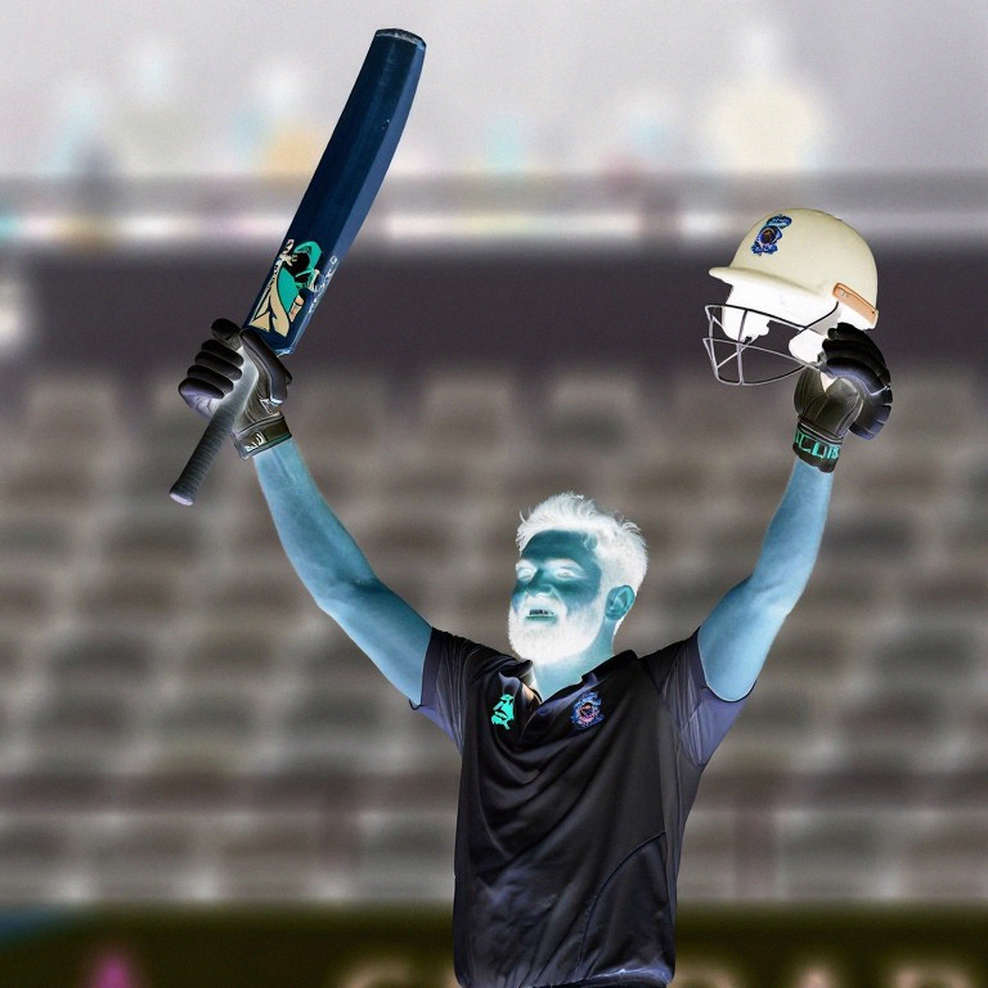
The second contrarian point is about the sample. There was no competitive reason for frustration in this series: India were 2-0 up, she was striking at 220. So where does it come from? Probably not from the opponent but from her own benchmark — leadership responsibility, the wait for stronger opposition, internal pressure over consistency. That is inference, not data, and I am labelling it as such. If it is right, the remedy is mentoring, not governance.
A final caution: the result was unaffected. This is a process-level event with no bearing on the match or the series, and there is no luck factor to strip out, because the margin genuinely reflects the class gap. But that same class gap is what limits the informational value of the whole series.
Takeaway
The third T20I at the same venue is a dead rubber. Three things to watch: whether there is any delayed effect from the blow to the jaw; whether Shafali is rested; whether the 24-month ledger stays at one point. The real test is not here — it is against a top-five side, where a 25-ball explosion matters less than fifty-over patience. The question is simple: did we witness a reprimand, or the first signal of a player measuring the distance between herself and her own standard?